EN
EN


Machine Introduction
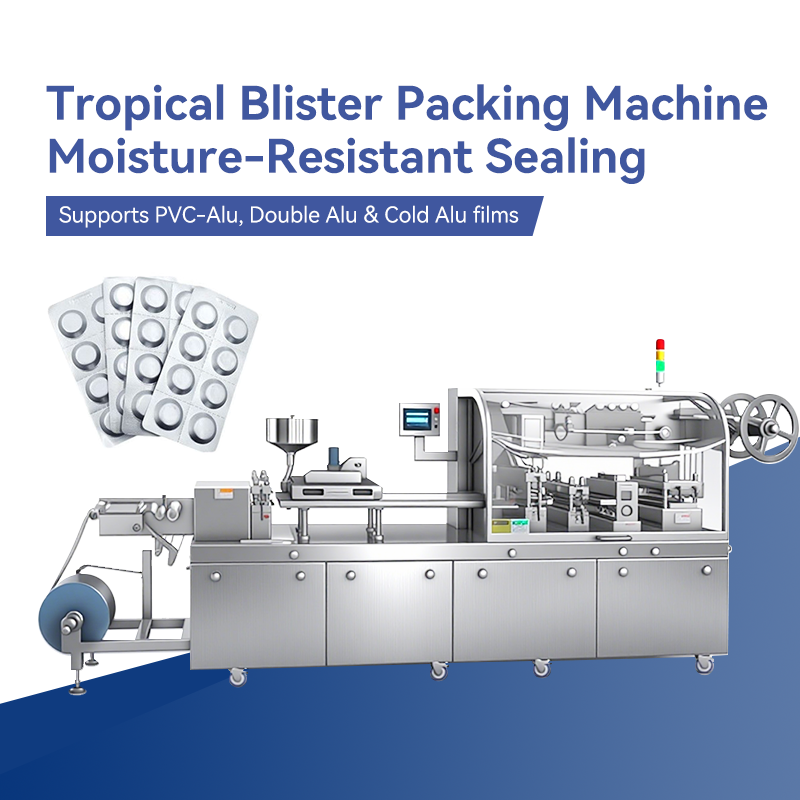
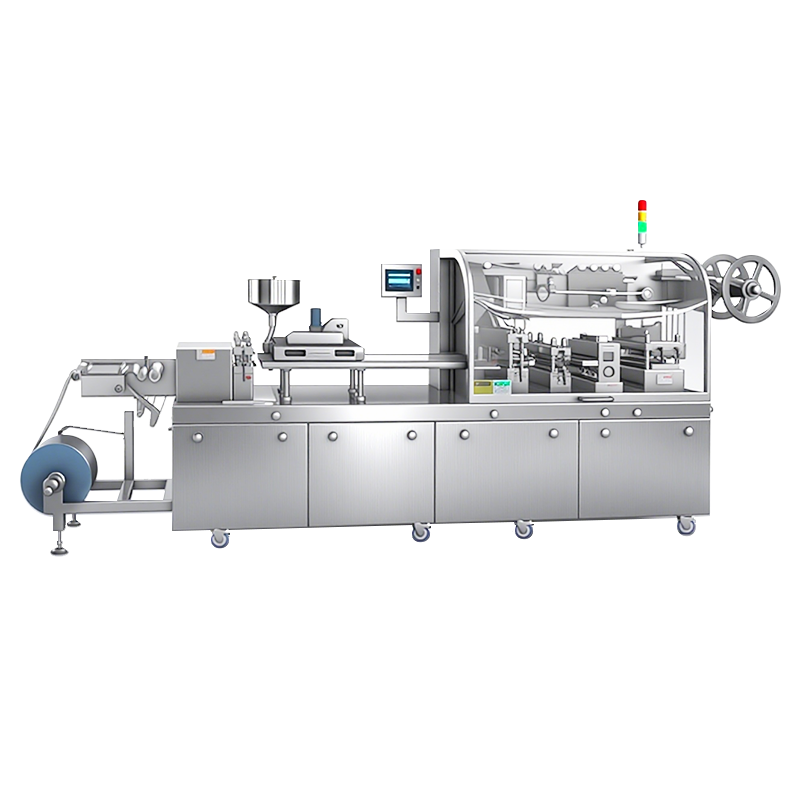
The Tropical Blister Packing Machine represents Ruiyi Machinery's specialized solution for pharmaceutical manufacturers who face the persistent challenge of protecting moisture-sensitive drug formulations in high-humidity environments. Unlike conventional blister packaging machines that use PVC or PVC/PVDC films heat-sealed to aluminum lidding — a construction that permits measurable moisture vapor transmission over time — this machine employs cold-form aluminum-aluminum (Alu-Alu) technology. The base web consists of a laminate of oriented polyamide (OPA), aluminum foil, and PVC that is cold-formed into blister cavities using high-pressure stamping tools, not heat. This cold-forming process preserves the integrity of the aluminum barrier layer, which would be compromised if heated. The result is a blister cavity with a moisture vapor transmission rate (MVTR) approaching zero — effectively a hermetic seal that protects the pharmaceutical product for its entire shelf life, even in climates where ambient relative humidity routinely exceeds 85%. The lidding foil is heat-sealed to the formed base under precisely controlled temperature, pressure, and dwell time parameters to create a complete aluminum-to-aluminum seal. All product-contact surfaces are fabricated from SUS304 stainless steel with pharmaceutical-grade surface finishes to prevent product adhesion and facilitate cleaning. The machine integrates servo-driven forming, sealing, coding, and cutting stations in a continuous motion design that maximizes throughput while maintaining the precise material handling required for cold-form aluminum processing. Ruiyi's 20+ years of pharmaceutical machinery experience, backed by ISO 9001 certification and a 10-person R&D team, ensure that each tropical blister packing machine meets the stringent quality requirements of regulated pharmaceutical manufacturing. With installations across Southeast Asia, South Asia, Africa, and South America, Ruiyi has accumulated extensive field data on machine performance in the challenging environmental conditions for which this equipment is specifically designed.
Technical Parameters
Working Principle
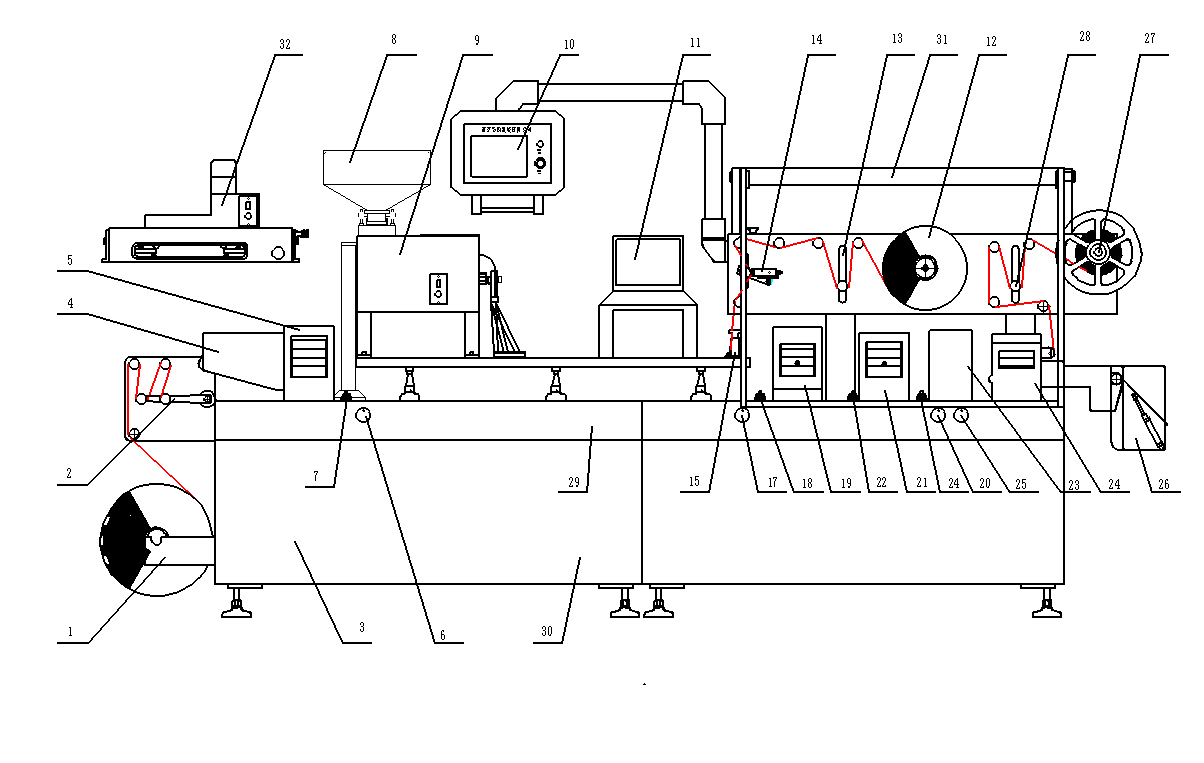
The Tropical Blister Packing Machine operates through an integrated five-station process optimized for cold-form aluminum blister production. At Station 1, the forming material — an OPA/Aluminum/PVC composite laminate — is unwound from a motorized reel stand with tension control. The material enters the cold-forming station where a precision-engineered male plug mechanically presses the laminate into a female mold cavity at ambient temperature. This cold-forming process is fundamentally different from thermoforming used in conventional PVC/Alu blister machines: rather than softening plastic film with heat and vacuum-drawing it into cavities, the aluminum laminate is physically stamped into shape. The cold-forming pressure is substantial — typically 10 to 15 tons — and the tooling geometry is critical, with plug design, cavity radius, and forming depth all precisely calculated to stretch the laminate without rupturing the aluminum barrier layer. At Station 2, the formed web advances to the feeding zone where pharmaceutical products — tablets, capsules, vials, or ampoules — are deposited into each cavity. Manual feed, vibratory bowl feed, or automated pick-and-place systems can be configured based on product characteristics and production volume. At Station 3, the product-filled web enters the sealing station where lidding aluminum foil is unwound from a top reel and heat-sealed to the formed base. The sealing plate applies precisely controlled temperature (typically 180-220°C depending on heat-seal lacquer specification), pressure (adjustable via pneumatic cylinders), and dwell time. PID temperature controllers maintain sealing temperature within ±2°C across the entire plate surface, ensuring seal integrity without damaging the protective lacquer coating. At Station 4, an embossing or ink-jet coding system prints batch numbers, manufacturing dates, and expiry dates directly onto the sealed blister pack. At Station 5, a servo-driven cutting mechanism die-cuts individual blister cards from the continuous web, or a perforation tool creates tear-off lines for multi-card strips. Scrap web is wound onto a take-up reel for recycling. Throughout the process, servo motors control web indexing with positional accuracy of ±0.5mm, critical for Alu-Alu processing where the formed aluminum cavities have less flexibility than thermoformed PVC blisters and require precise alignment at the sealing and cutting stations. The entire operation is managed through a PLC system with recipe storage for different blister formats, allowing quick changeover between product configurations.
Key Features
Applications & Real-World Experience
Effervescent Tablet Manufacturer — Malaysia
A Penang-based pharmaceutical manufacturer producing effervescent vitamin C and electrolyte tablets for the Southeast Asian market deployed Ruiyi's tropical blister packaging line after experiencing persistent stability failures with PVC/Alu packaging. The company's effervescent tablets are particularly moisture-sensitive — they contain sodium bicarbonate and citric acid that react on contact with water to produce the characteristic fizz, meaning any moisture ingress during storage prematurely activates the effervescent reaction and renders the product unusable. In Malaysia's tropical climate with year-round humidity averaging 82% RH, the company's existing PVC/Alu blister packs showed moisture-related degradation in 30-40% of products within 6 months of packaging, far short of the required 24-month shelf life. Ruiyi configured a complete Alu-Alu blister line including the cold-forming machine with tooling for 10-tablet blister cards, a specialized vibratory product feeding system to minimize tablet abrasion during handling, and inline batch coding. After installation and commissioning, the company conducted accelerated stability testing at 40°C/75% RH per ICH guidelines. The Alu-Alu blister packs showed no detectable moisture ingress after 6 months of accelerated conditions, equivalent to 24 months of real-time tropical storage. The production manager noted that the cold-forming tooling, while more expensive than thermoforming molds, required no replacement after 8 million forming cycles. The line has been running for over two years with scheduled preventive maintenance and zero unplanned downtime. The company has since expanded effervescent tablet production capacity by 60% and entered new export markets in Indonesia and the Philippines with the confidence that their Alu-Alu packaging will maintain product quality in every climate.
Generic Pharmaceutical Producer — Nigeria
A Lagos-based generic pharmaceutical company producing antibiotics, antimalarials, and cardiovascular medications for the West African market transitioned to Alu-Alu blister packaging using Ruiyi's tropical blister machine after experiencing moisture-related product returns from distributors. Nigeria's coastal climate combines high humidity (70-90% RH) with elevated temperatures (averaging 28-32°C), creating extreme conditions for pharmaceutical packaging. The company's amoxicillin/clavulanic acid combination products, in particular, are acutely moisture-sensitive — clavulanic acid hydrolyzes rapidly in the presence of water, reducing the antibiotic's potency below pharmacopeial limits. In the PVC/Alu packaging previously used, stability testing showed clavulanic acid degradation of 8-12% after 12 months of Zone IVb storage conditions (30°C/75% RH), exceeding the ICH acceptance criterion of 5% degradation. Ruiyi's team worked with the customer to develop blister tooling for a 7-tablet format optimized for the Nigerian market's typical therapy pack size, and configured the machine with a localized 415V/50Hz power supply matching Nigeria's grid specification. The machine included an enhanced sealing station with extended dwell time capability for the thicker heat-seal lacquer used on lidding foils specified for extreme tropical conditions. Ruiyi's local technical partner in Lagos handled installation supervision and provided operator training in English and Yoruba. Post-installation stability testing demonstrated that Alu-Alu packaging reduced clavulanic acid degradation to below 3% after 12 months of Zone IVb conditions, well within ICH acceptance limits. The customer reported that product returns for moisture-related quality issues decreased by over 90% in the first year after switching to Alu-Alu packaging. Based on this success, the company has ordered a second Ruiyi tropical blister line to support production expansion into Central African markets.
Probiotic Supplement Manufacturer — Brazil
A Brazilian nutraceutical company producing live probiotic capsule products for the domestic and Latin American markets implemented Ruiyi's tropical blister machine to solve a critical product stability challenge. Probiotic bacteria — primarily Lactobacillus and Bifidobacterium strains — are living organisms that require protection from moisture to maintain viability. When exposed to humidity during storage, probiotic capsules absorb moisture through their gelatin or HPMC shells, activating metabolic processes in the dormant bacteria, which then consume their own stored nutrients and die before reaching the consumer. The company's quality audits revealed that probiotic potency (measured in colony-forming units, CFU) in PVC/Alu blister packs declined by an average of 40-60% over a 12-month shelf life in Brazil's humid coastal and Amazon-region distribution channels, frequently falling below the labeled CFU count — a regulatory compliance issue. Ruiyi engineered the Alu-Alu blister line to handle the specific challenges of probiotic capsule packaging: the cold-forming tooling was designed to produce deeper 14mm cavities with rounded internal corners to accommodate soft gelatin capsules without compression or rupture; the product feeding system used gentle gravity-assisted drop feeding rather than vibratory handling to avoid damaging capsule shells; and the sealing temperature was calibrated for the lower melting point of the heat-seal lacquer compatible with capsule shell materials. The Alu-Alu packaging maintained probiotic CFU counts above 90% of labeled potency after 18 months of Zone IVb stability testing, dramatically exceeding the previous 12-month shelf life achieved with PVC/Alu packaging. The customer expanded from a single Ruiyi blister line serving the domestic Brazilian market to three lines within 24 months, capturing market share in the high-value probiotic segment where product quality differentiation — demonstrated by validated stability data — commands premium pricing.
Quality Assurance & Certifications
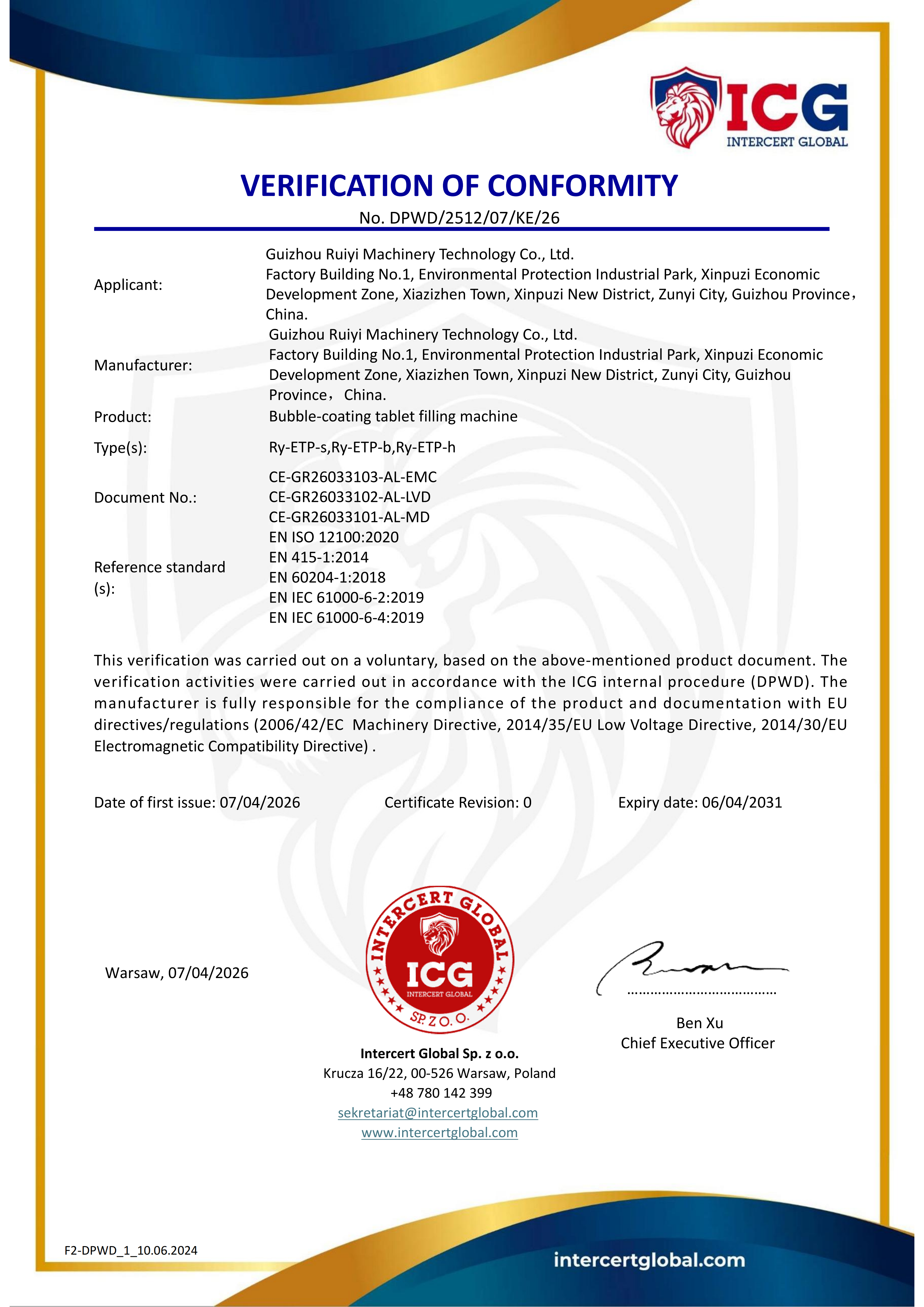
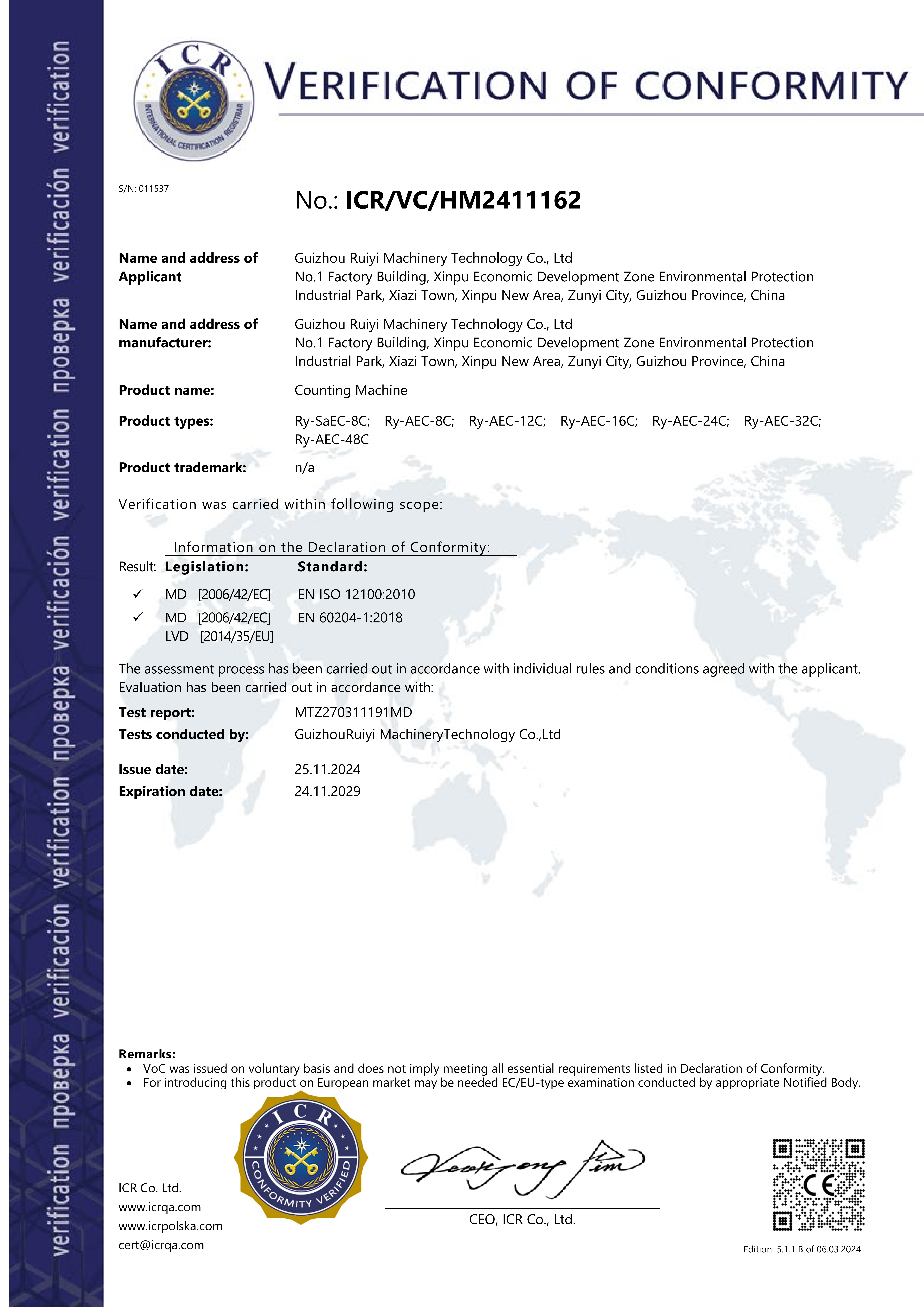
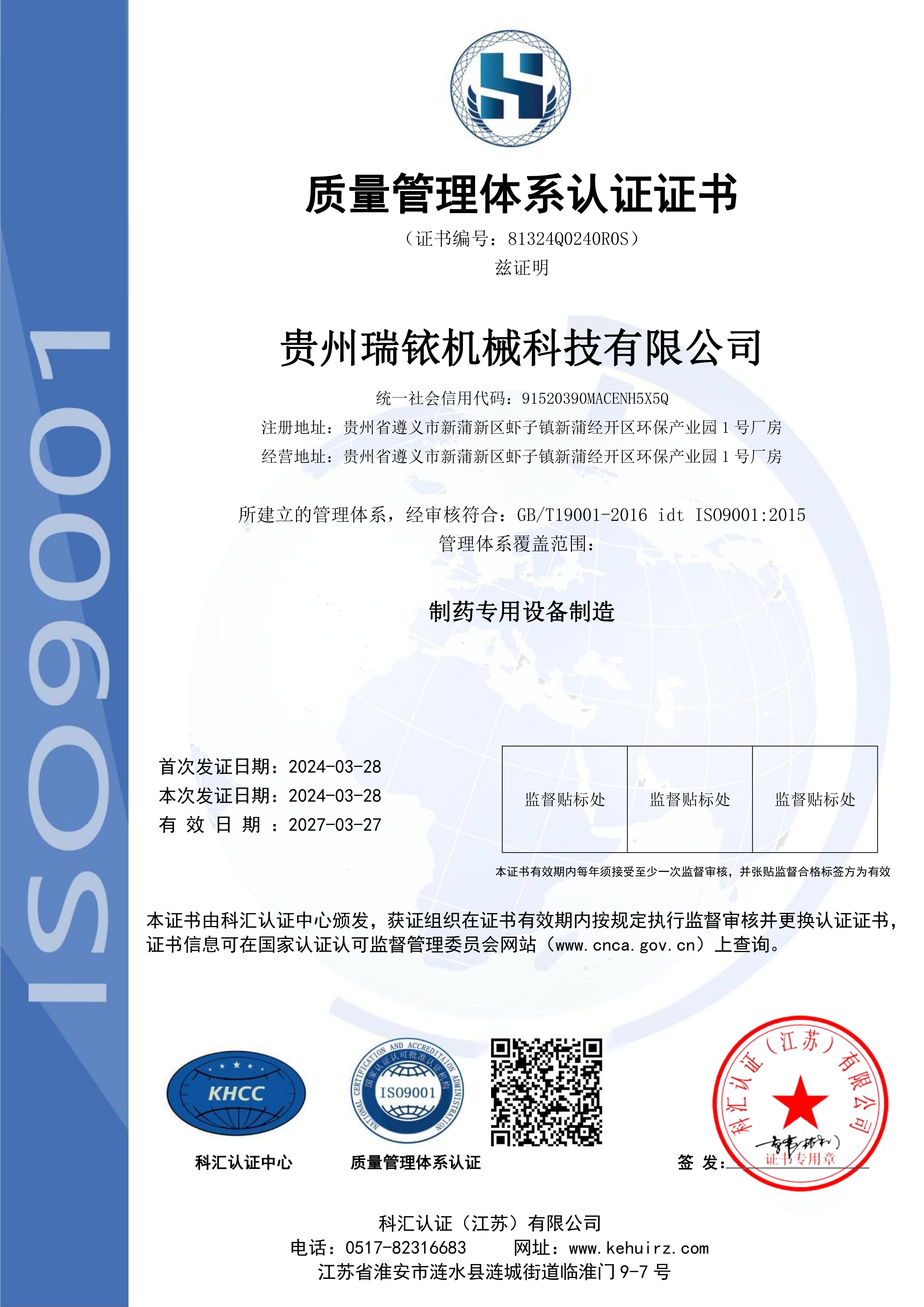
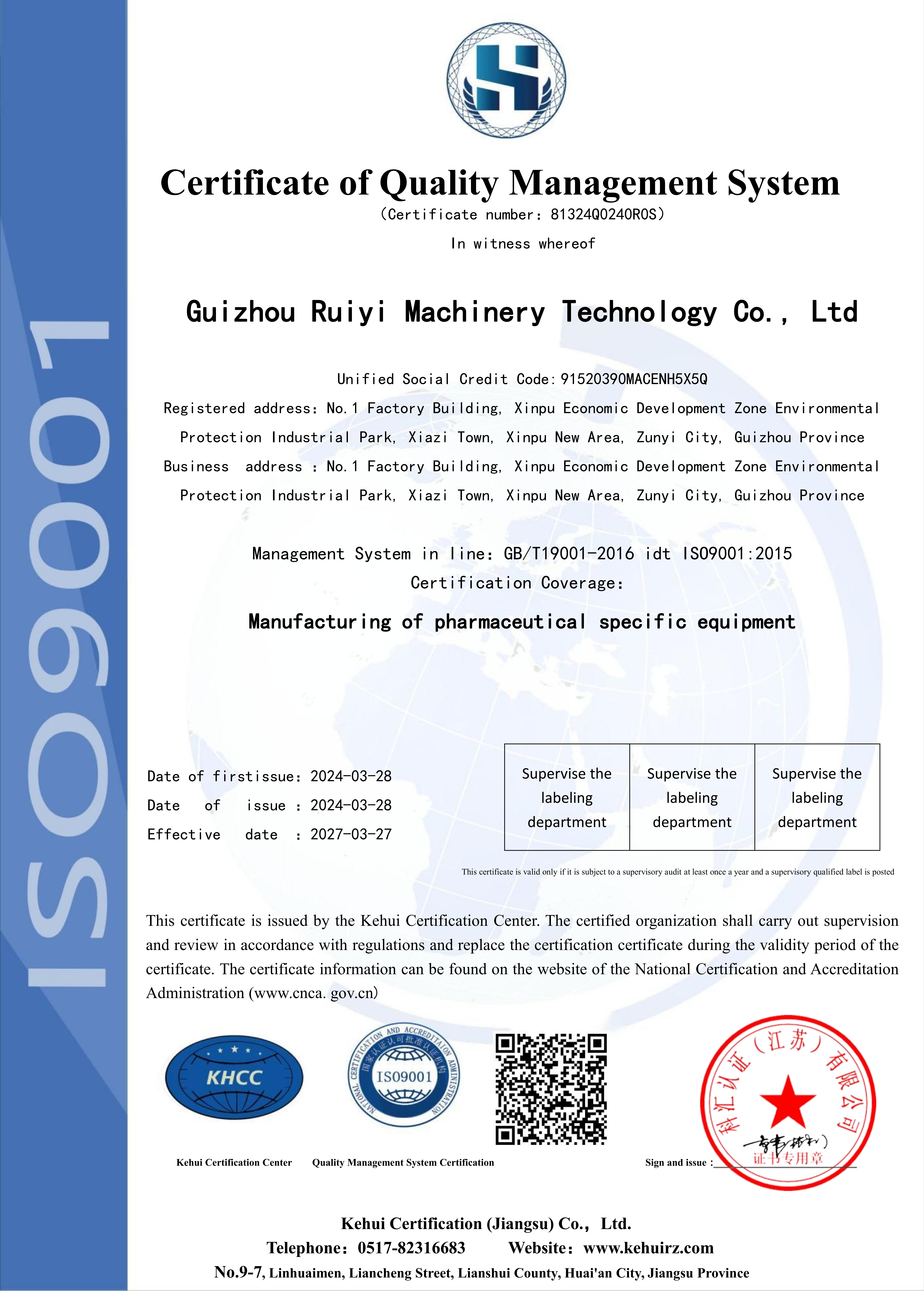
Ruiyi Machinery operates under an ISO 9001:2015 certified quality management system that governs every stage of tropical blister machine production, from raw material procurement through final assembly and factory acceptance testing. Each machine undergoes comprehensive FAT including: forming station validation with test production of 5,000 blister cavities measured for dimensional consistency (forming depth tolerance ±0.15mm, cavity registration accuracy ±0.3mm); sealing integrity testing on 200 sample blisters using methylene blue dye penetration method per USP standards; web indexing precision verification across 100 indexing cycles; and complete electrical safety testing per CE requirements including insulation resistance, ground continuity, and dielectric withstand tests. The Alu-Alu forming tools are manufactured from D2 tool steel, hardened to 58-62 HRC, with chrome-plated contact surfaces inspected under 20x magnification for surface defects. Each tool set is serialized and documented with material heat-treat certificates and dimensional inspection reports. Ruiyi's 10-person R&D team maintains a dedicated blister packaging technology lab where forming trials are conducted on customer product samples before machine delivery, optimizing plug geometry, forming pressure, and sealing parameters for each specific application. The team draws on field data from Alu-Alu installations across 20+ tropical and subtropical countries to continuously refine cold-forming algorithms and tooling design. Machines ship with complete documentation including: material certificates for product-contact components (SUS304 with chemical composition and surface finish reports), CE Declaration of Conformity, electrical safety test reports, comprehensive operation and maintenance manuals in English and buyer's preferred language, and FAT report with acceptance test data. Ruiyi's commitment to after-sales support includes lifetime technical assistance with a 12-hour inquiry response commitment and spare parts inventory maintained for all critical components including forming tools, sealing plates, sensors, and servo drive components.
Frequently Asked Questions
1. What makes Alu-Alu blister packaging superior to PVC/Alu for tropical climates?
Alu-Alu construction replaces the PVC or PVC/PVDC layer found in conventional blister packs with a continuous aluminum foil laminate, creating a nearly perfect moisture barrier. PVC, even with PVDC coating, has a measurable moisture vapor transmission rate (MVTR) — typically 0.2-0.5 g/m²/day for PVC/PVDC films — which allows gradual moisture ingress into the blister cavity over time. In tropical climates where ambient humidity consistently exceeds 80% RH, this gradual moisture transmission creates a significant humidity differential between the outside environment and the blister interior, driving water vapor into the cavity. Aluminum foil, in contrast, has an MVTR approaching zero, creating a hermetic seal that protects the product for its entire shelf life. The cold-forming process preserves the aluminum barrier layer intact, whereas thermoforming would stretch and thin the aluminum, creating microscopic pathways for moisture transmission. For moisture-sensitive pharmaceuticals like effervescent tablets, hygroscopic powders, and lyophilized drugs, the difference between Alu-Alu and PVC/Alu packaging often determines whether the product remains within specification at the end of its labeled shelf life. Ruiyi's Alu-Alu machines have demonstrated zero measurable moisture ingress in accelerated stability testing at 40°C/75% RH for 6 months, equivalent to 24-month tropical storage.
2. What are the limitations and challenges of cold-form Alu-Alu blister packaging?
Cold-form Alu-Alu blister packaging has several important characteristics that differ from thermoformed PVC/Alu blisters. The forming depth is more limited — typically a maximum of 12-14mm compared to 20mm+ for thermoformed PVC, because the aluminum laminate can only stretch a certain amount before the aluminum foil layer ruptures. Cavity shape is also constrained: Alu-Alu cavities have rounded internal corners rather than sharp right angles, and the cavity-to-cavity spacing must be larger than PVC blisters to accommodate the material's lower stretch ratio. The forming tools are more expensive to manufacture, requiring hardened tool steel and precision machining to achieve the necessary surface finish and dimensional accuracy — a set of Alu-Alu forming tools costs approximately 3-4 times more than equivalent PVC thermoforming tools. Material cost is also higher: OPA/Alu/PVC cold-form laminate costs approximately 2-3 times more per square meter than PVC film. The total packaged cost per tablet in Alu-Alu is typically 30-50% higher than PVC/Alu packaging. However, this cost premium is justified by elimination of product stability failures, reduced returns, and the ability to distribute moisture-sensitive products in tropical markets. Ruiyi provides complete cost-benefit analysis support to help customers evaluate whether the investment in Alu-Alu packaging is justified for their specific product portfolio and target markets.
3. Can the machine also produce conventional PVC/Alu blisters, or is it limited to Alu-Alu only?
Ruiyi's tropical blister packing machine is purpose-built for cold-form Alu-Alu blister production and cannot directly produce thermoformed PVC/Alu blisters without significant modification. The cold-forming station uses mechanical stamping at ambient temperature, whereas PVC blister production requires a heating station to soften the PVC film and a vacuum or pressure-forming station to draw the softened film into cavities. The machine architecture, tooling interfaces, and process control systems are designed specifically for the forces, temperatures, and material properties involved in cold-form aluminum processing. However, Ruiyi offers a dual-purpose blister packing machine option (Model RY-260DP) that includes both cold-forming and thermoforming stations, allowing production of Alu-Alu and PVC/Alu blisters on the same platform with a tooling changeover. This configuration is suitable for manufacturers who produce both moisture-sensitive products requiring Alu-Alu packaging and standard products where PVC/Alu is sufficient. The dual-purpose machine requires approximately 60-90 minutes for complete changeover between Alu-Alu and PVC/Alu modes, including tooling exchange and process parameter loading via recipe management. For dedicated high-volume Alu-Alu production, the single-purpose tropical blister machine offers lower capital cost, simpler operation, and optimized mechanical design for cold-forming processes.
4. What support does Ruiyi provide for tropical climate installations and local conditions?
Ruiyi provides comprehensive tropical climate installation support tailored to each customer's specific environmental conditions and infrastructure. Pre-installation services include site assessment to evaluate ambient temperature and humidity profiles, electrical supply quality (voltage stability, phase balance, grounding), and compressed air system capacity. Machines are configured with localized voltage and frequency specifications — Ruiyi has supplied equipment operating on 380V/50Hz, 415V/50Hz, 440V/60Hz, and 220V/60Hz systems across different countries. Tropical-specific modifications include enhanced electrical enclosure ventilation with filtered intake fans to prevent internal condensation in high-humidity environments, conformal coating on printed circuit boards for moisture resistance, and stainless steel fasteners on external components to prevent corrosion. Ruiyi stocks critical spare parts including forming tools, sealing plates, heating elements, sensors, and PLC components for rapid dispatch to tropical region customers, with express courier delivery in 3-7 working days. On-site commissioning, operator training, and preventive maintenance planning are provided by Ruiyi engineers or trained local technical partners. Training includes hands-on machine operation, cleaning and maintenance procedures, troubleshooting common issues, and process optimization for local environmental conditions. Documentation is provided in English, Chinese, and the customer's local language where feasible. Ruiyi maintains communication with tropical climate customers through WeChat, WhatsApp, and email with a 12-hour inquiry response commitment during working hours.