EN
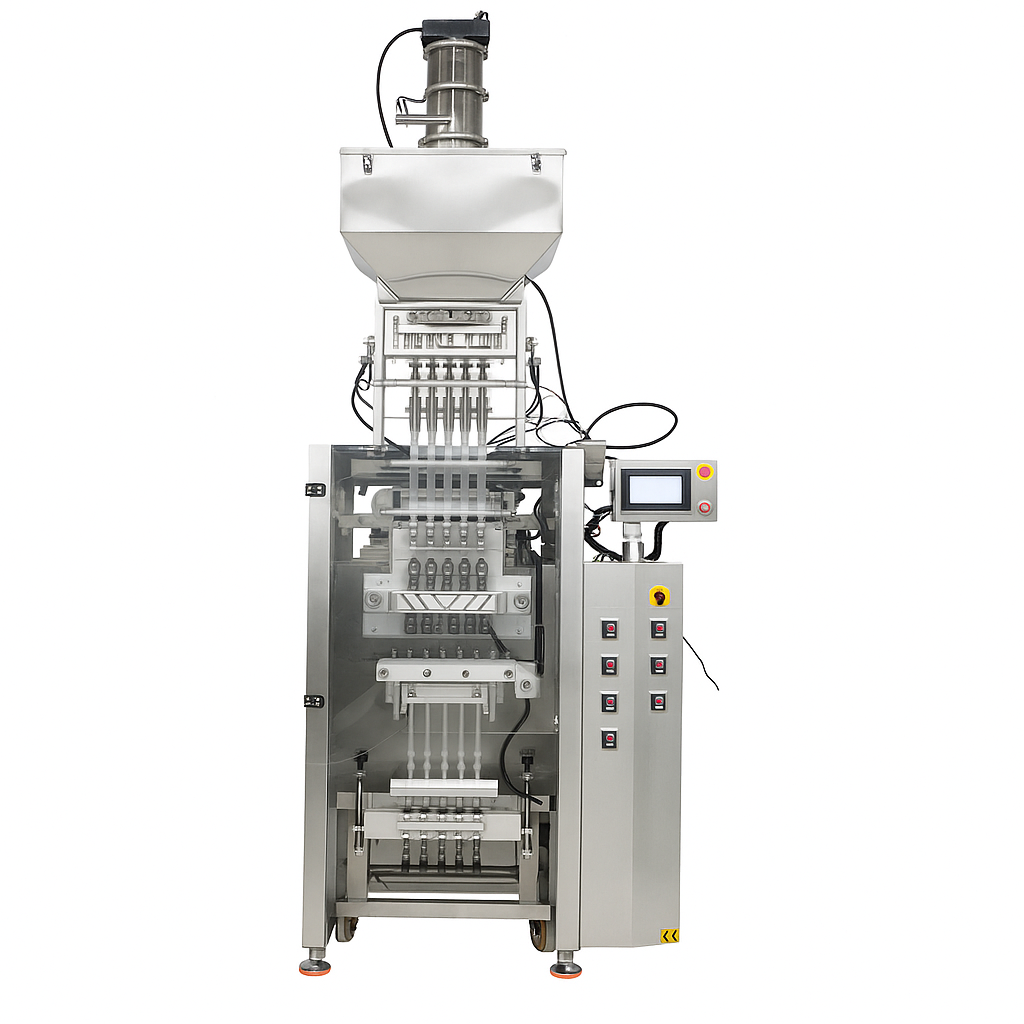
Water bag filling machines are far more than mere industrial equipment; they embody the core principles of modern packaging efficiency, market adaptability, and environmental responsibility. Their primary significance lies in dramatically enhancing production efficiency and economic benefits. Through high automation, these machines achieve precise filling at rates of thousands of bags per hour, vastly surpassing the limits of traditional manual operations. This directly reduces labor costs, human error, and product wastage. Their exceptional scalability enables businesses to effortlessly grow from startup scale to large-scale production, delivering rapid return on investment and boosting profit margins.
More significantly, water bag filling machines profoundly impact global drinking water accessibility and innovation. They enable the provision of safe drinking water at extremely low costs, which is crucial for budget-conscious consumers and developing regions. The lightweight, durable pouches produced by these machines serve as an ideal water transport solution for disaster relief and military operations, delivering clean water swiftly during critical moments. Additionally, this technology drives innovation in the beverage industry, finding widespread application in diverse pouch-based products like energy gels, liquid seasoning packets, and dairy products.
In environmental sustainability, pouch filling machines play an increasingly vital role. Compared to rigid containers, the production of flexible pouches significantly reduces plastic material usage, lowering plastic consumption at the source. Simultaneously, lightweight packaging decreases fuel consumption and carbon emissions during transportation, providing robust support for companies achieving environmental goals. Advanced equipment can also accommodate recyclable or biodegradable materials, contributing to the circular economy.
20
May
20
May
20
May
20
May
“Precise and efficient, ideal for small-batch production, with extremely convenient material changeovers.”

“The most reliable equipment on the production line, stable long-term operation, and easy employee training.”