EN
EN


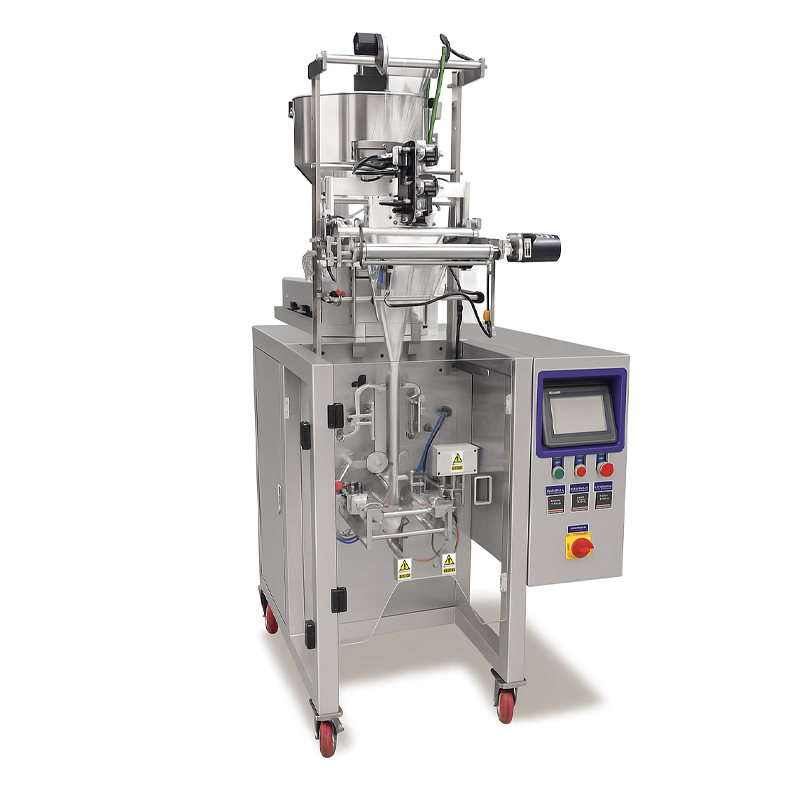
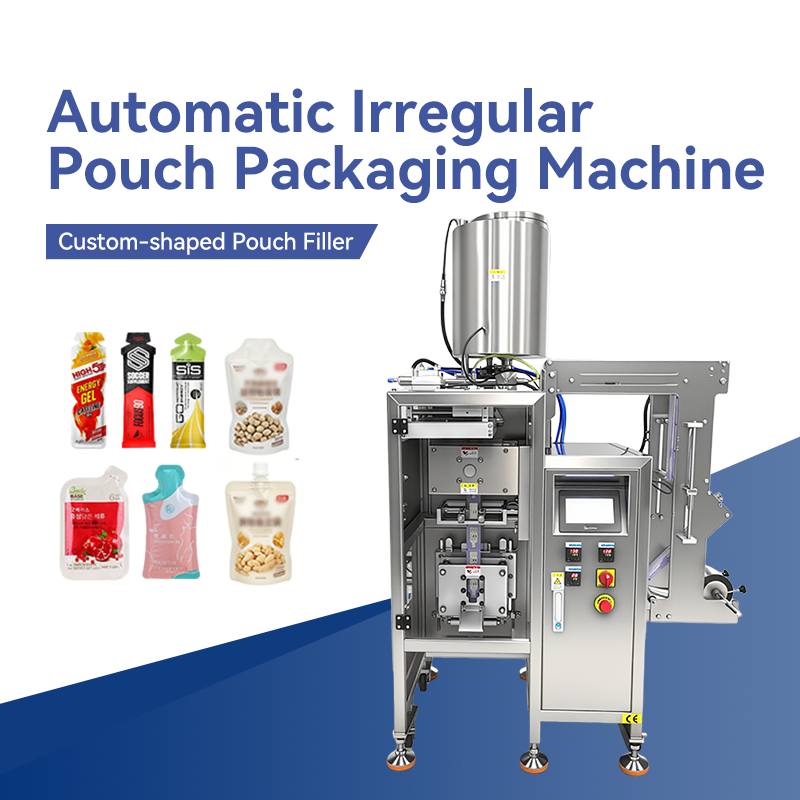
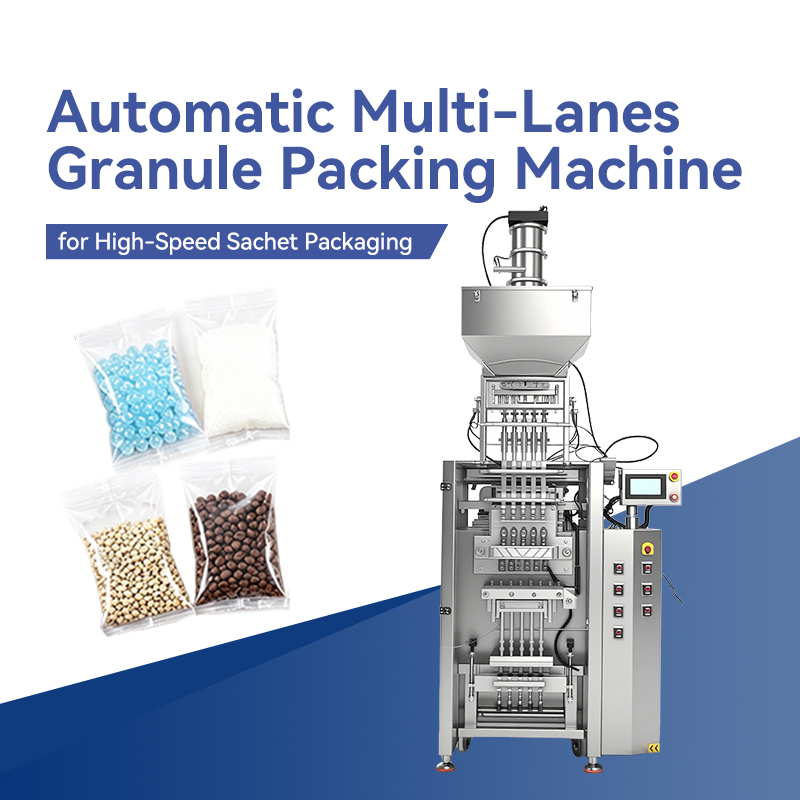
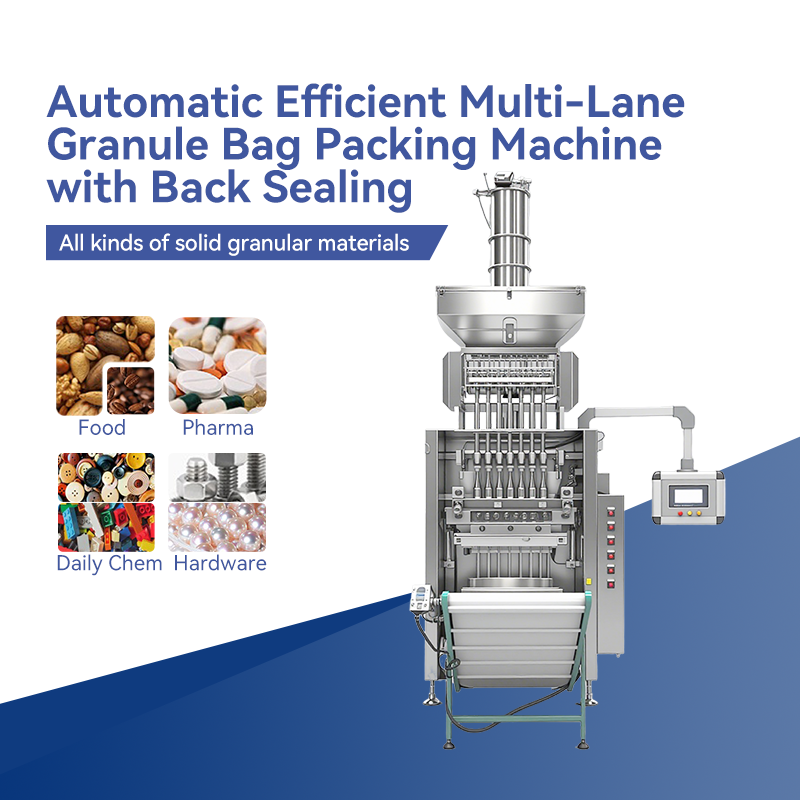
In today's fiercely competitive market environment, the price of a pouch packing machine represents more than just a simple equipment quote—it is a strategic investment for businesses to elevate automation levels, optimize production efficiency, and achieve sustainable profitability. This equipment revolutionizes production models by transforming traditional, labor-intensive, error-prone manual packaging into high-speed, precise automated processes. Its speed can increase from 20 bags per minute manually to over 100 bags per minute, significantly boosting production capacity. Simultaneously, its exceptional adaptability handles diverse product types—from coffee, snacks, and condiments to liquids, powders, and even hardware components—while supporting multiple pouch designs including stand-up pouches, spout pouches, zipper pouches, and flat pouches. This fulfills the market's urgent demand for versatile packaging solutions.
From a commercial value perspective, the pouch packing machine represents a rapidly profitable investment. By substantially reducing labor costs, precisely controlling fill volumes to minimize material waste, and boosting revenue through increased output, its directly calculable return on investment (ROI) is often impressive. Moreover, the highly consistent and professional packaging produced by these machines substantially enhances brand credibility and visual appeal, helping products stand out on retail shelves and indirectly boosting brand premium pricing power. Additionally, the highly scalable automation solutions provide a robust technological foundation for future product line expansions and market growth, delivering genuine future-proofing.
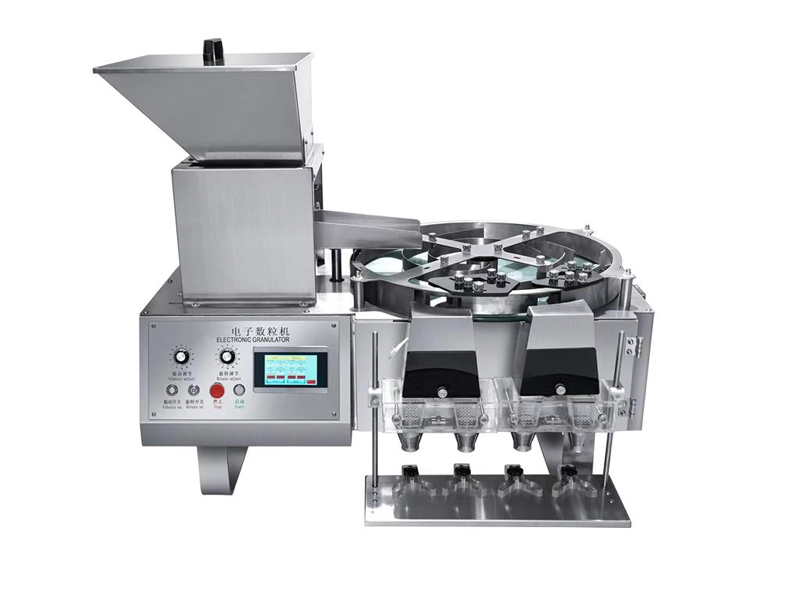
Naturally, the price of pouch packing machines is influenced by several key factors, including automation level (manual, semi-automatic, fully automatic), operating speed (bags per minute), flexibility in adapting to different pouch types, and seamless integration capabilities with peripheral equipment like checkweighers and metal detectors. These factors collectively determine the final pricing and directly impact the long-term comprehensive benefits the equipment delivers. Therefore, understanding these elements is far more important than merely focusing on the initial quote.
20
May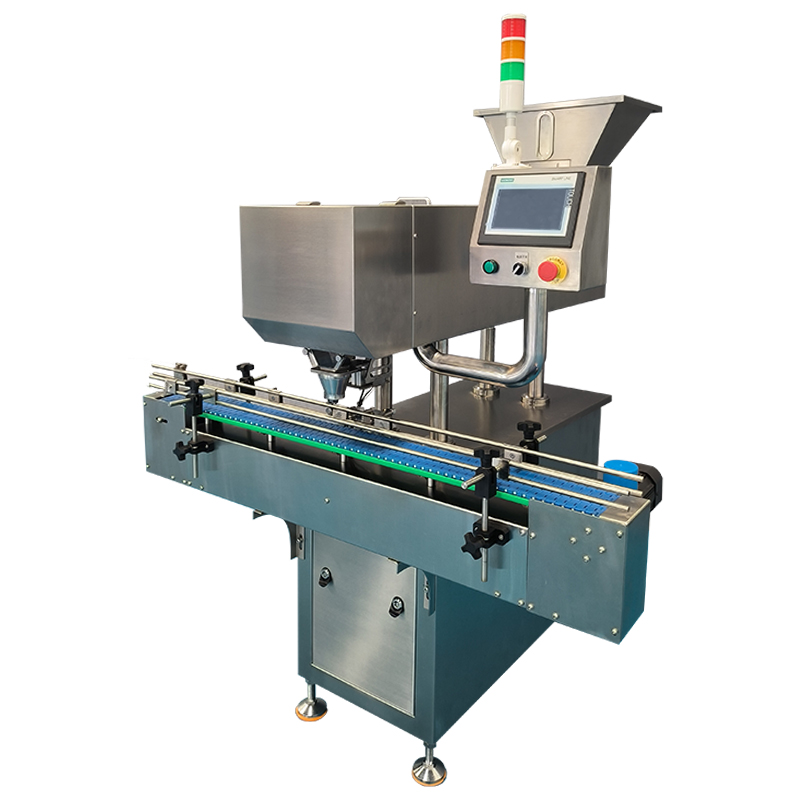
20
May
20
May
20
May
“Precise and efficient, ideal for small-batch production, with extremely convenient material changeovers.”

“The most reliable equipment on the production line, stable long-term operation, and easy employee training.”