EN
EN


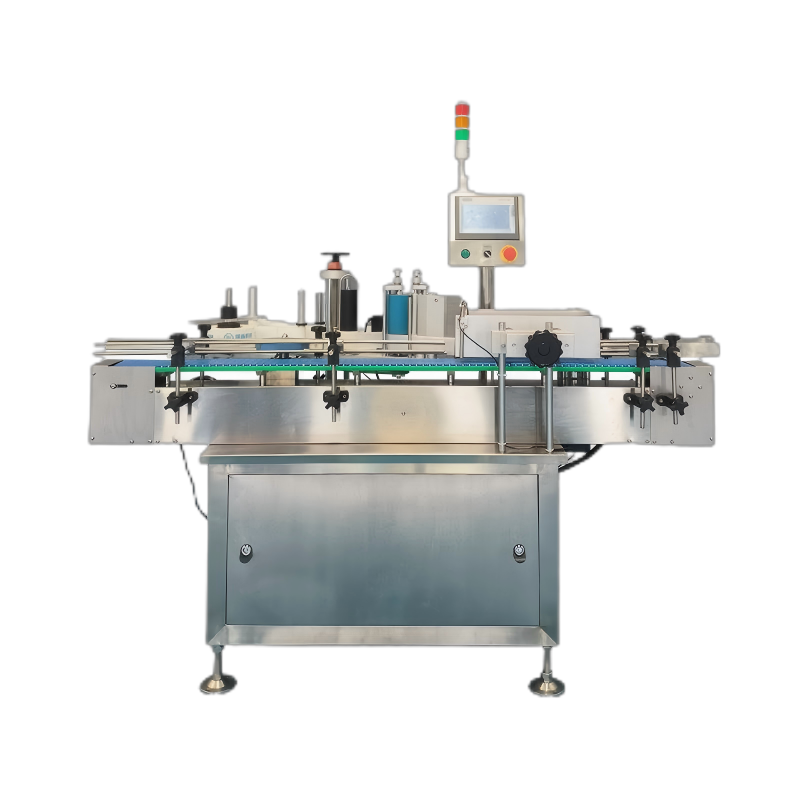
In modern clinical laboratories and research environments, the importance of professional syringe labeling machines has far surpassed that of simple organizational tools. They form the core foundation of patient safety, data integrity, and operational excellence. The outdated practice of manually writing labels poses significant risks, as blurred handwriting or incorrect numbering can lead to catastrophic sample mix-ups, resulting in misdiagnosis, incorrect treatment, and severe damage to patient trust. A dedicated syringe labeling machine eliminates this risk by printing clear, standardized machine-readable barcodes, ensuring “positive patient identification” (PPID) from the moment of collection and establishing an tamper-proof identity link for the sample.
Additionally, this device is the first critical step in ensuring data integrity and traceability. It creates a complete digital audit trail for samples, eliminating the majority of errors that occur during the pre-analytical phase, which is critical for validating the results of clinical trials and research. In terms of strict industry regulation, the automated labeling system makes it easy for workflows to comply with regulations such as GLP (Good Laboratory Practice) and CLIA (Clinical Laboratory Improvement Amendments), enabling laboratories to prepare for audits at any time and avoid compliance penalties.
From an economic perspective, the significance of the syringe labeling machine is equally significant. It can print fully informative labels in seconds, freeing up highly skilled personnel to focus on higher-value tasks. It eliminates the substantial costs associated with sample re-draws, test re-runs, and corrective actions resulting from errors. The barcode samples it generates can be seamlessly integrated with Laboratory Information Management Systems (LIMS), enabling automated sample division, analysis, and data entry, thereby further enhancing testing throughput and reducing manual intervention. Therefore, investing in a syringe labeling machine is not merely about purchasing equipment; it is an investment in foundational safety culture—a strategic decision to replace high-risk, variable, and outdated processes with standardized, reliable, and safe systems. In today's era of precision and efficiency, automated syringe labeling has evolved from an optional feature to an absolute necessity for any forward-thinking laboratory.
20
May
20
May
20
May
20
May
“Efficiency has improved significantly, and the packaging looks much more professional.”

“Stable operation and high precision, the main equipment on the production line.”