EN
EN


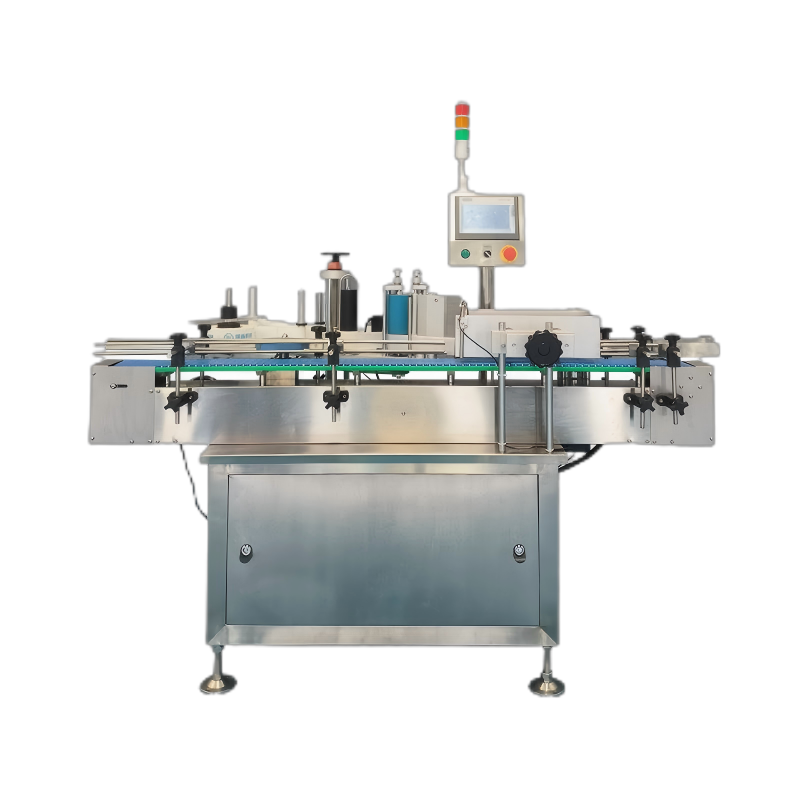
An automated labeling machine is far more than just a piece of equipment; it is a critical strategic investment in modern manufacturing. Its core value lies in completely transforming traditional packaging processes, freeing businesses from reliance on high-cost, low-efficiency, and error-prone manual operations. These machines integrate advanced mechatronic technology to automatically apply labels at extremely high speeds (typically hundreds of items per minute) and with near-perfect precision (accuracy rates exceeding 99.9%), ensuring that every product features a flawless, consistent brand appearance. This significantly enhances brand image and consumer trust.
Beyond enhancing efficiency and quality, automated labeling machines play an irreplaceable role in ensuring compliance and building agile supply chains. Especially in heavily regulated industries such as pharmaceuticals, food and beverages, and chemicals, they ensure that all regulatory requirements—such as ingredient lists, safety warnings, barcodes, and batch codes—are clearly and accurately displayed on every product, effectively mitigating legal risks and hefty fines caused by labeling errors. Additionally, their exceptional stability and scalability enable companies to easily adapt to market demand fluctuations, achieve 24/7 uninterrupted production, and eliminate concerns about hiring and training additional staff, thereby establishing a highly resilient and responsive production system.
From a financial perspective, automated investments yield significant and rapid returns. By significantly reducing labor costs, minimizing material waste caused by labeling errors, and maximizing production line throughput, ROI is typically achieved within a few months. More importantly, as a key component of smart factories in the Industry 4.0 era, modern automated labeling machines can seamlessly integrate with enterprise ERP, MES, and other management systems, enabling real-time data interaction and process transparency, providing valuable data insights for optimizing overall production operations.
In summary, investing in an automated labeling machine is a strategic decision that impacts a company's core competitiveness, compliance capabilities, and long-term profitability. It is not only a tool for cost reduction and efficiency improvement but also the cornerstone for companies to embrace intelligent and digital futures, ensuring they maintain a leading position in intense market competition.
20
May
20
May
20
May
20
May
“Efficiency has improved significantly, and the packaging looks much more professional.”

“Stable operation and high precision, the main equipment on the production line.”