EN
EN


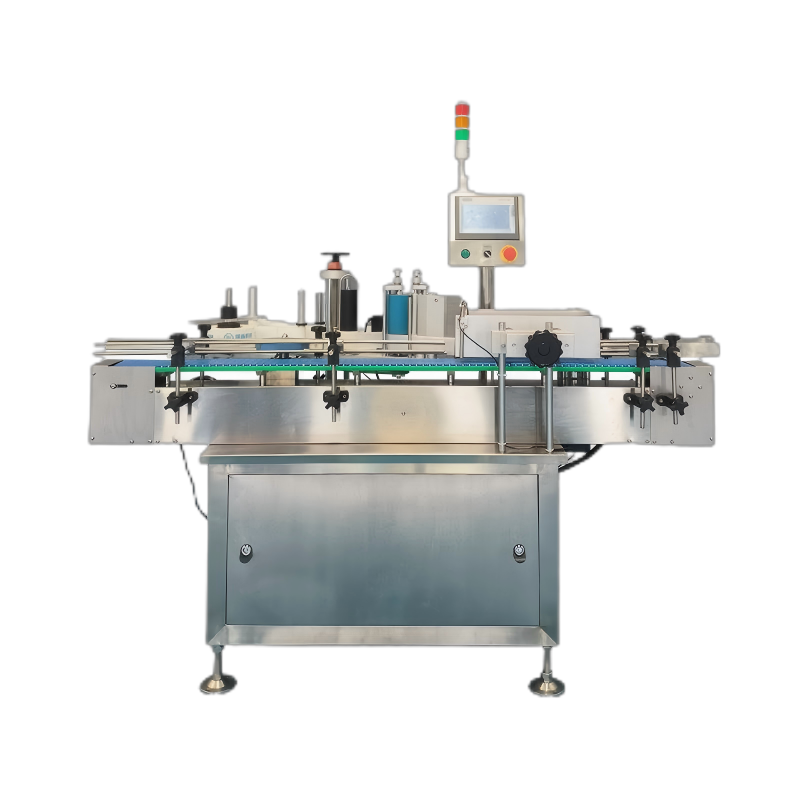
Automatic label applicators offer an extremely broad range of applications and have become indispensable core automation equipment in modern manufacturing, logistics, and e-commerce sectors. In the e-commerce and omnichannel fulfillment sectors, they leverage their high-speed and precise capabilities to serve as a key tool for enhancing warehouse efficiency, seamlessly applying shipping labels, scannable barcodes and QR codes, and brand packaging inserts, transforming each package into a valuable marketing opportunity. In strictly regulated industries such as food and beverage, pharmaceuticals, and chemicals, automatic labeling machines are critical for ensuring safety and compliance. They can precisely apply “best-before” dates, batch codes, tamper-proof seals, and mandatory GHS safety warning labels, safeguarding consumer safety and simplifying complex recall processes. Additionally, on manufacturing production lines, it significantly drives lean production by enabling product identification, component tracking, and the automatic application of retail compliance labels, eliminating bottlenecks and reducing waste.
Looking ahead, the application prospects of this technology are rapidly evolving toward deeper integration and intelligence. Automatic labeling machines are increasingly becoming intelligent nodes in Industry 4.0 and IoT factory networks, capable of reporting production data, predicting maintenance needs, and communicating seamlessly with central management systems. Combined with AI vision systems, they can achieve real-time print detection, label placement verification, and even precise positioning on irregularly shaped items. As global packaging materials transition toward more environmentally friendly recyclable and biodegradable substrates, automatic labeling machines are continuously adapting to ensure that speed and precision are not compromised when handling new materials. In summary, the application potential of automatic labeling machines is virtually limitless. They are not only foundational technologies for enhancing accuracy, achieving economies of scale, and ensuring compliance, but also strategic investments for enterprises to build future smart interconnected factories and gain competitive advantages.
20
May
20
May
20
May
20
May
“Efficiency has improved significantly, and the packaging looks much more professional.”

“Stable operation and high precision, the main equipment on the production line.”