EN

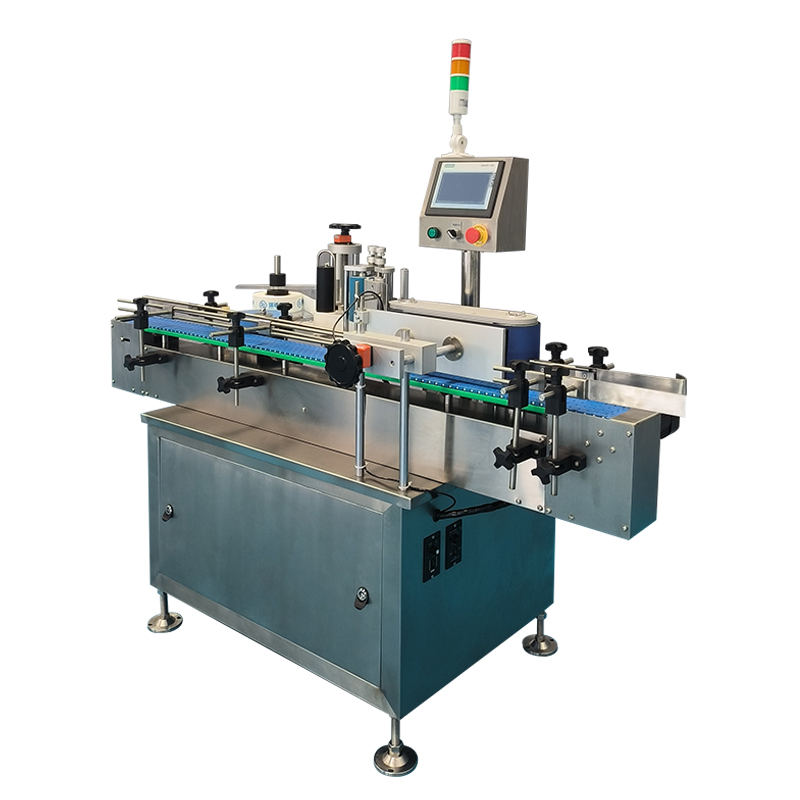
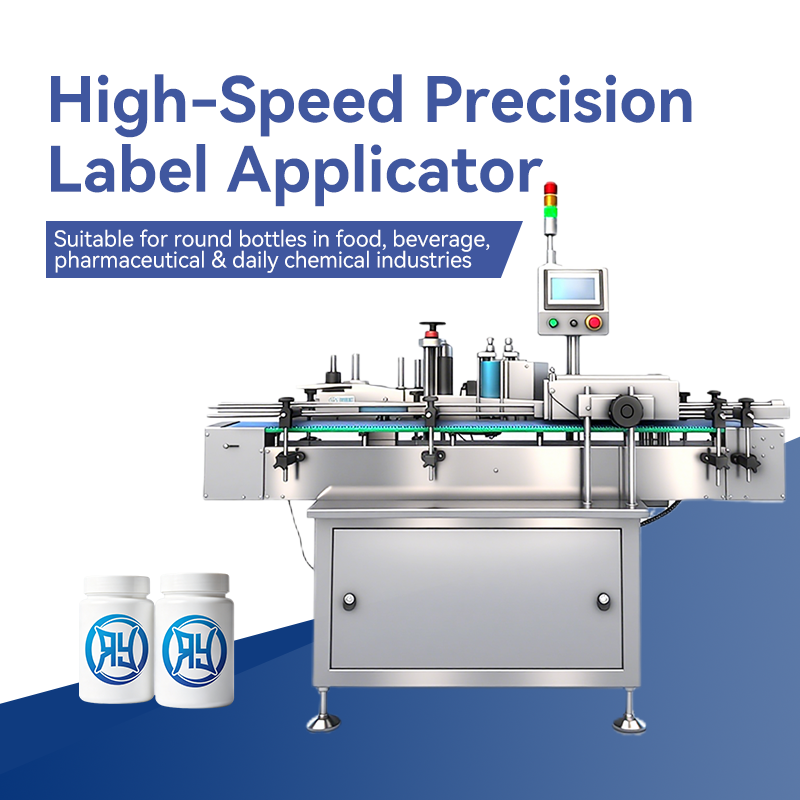
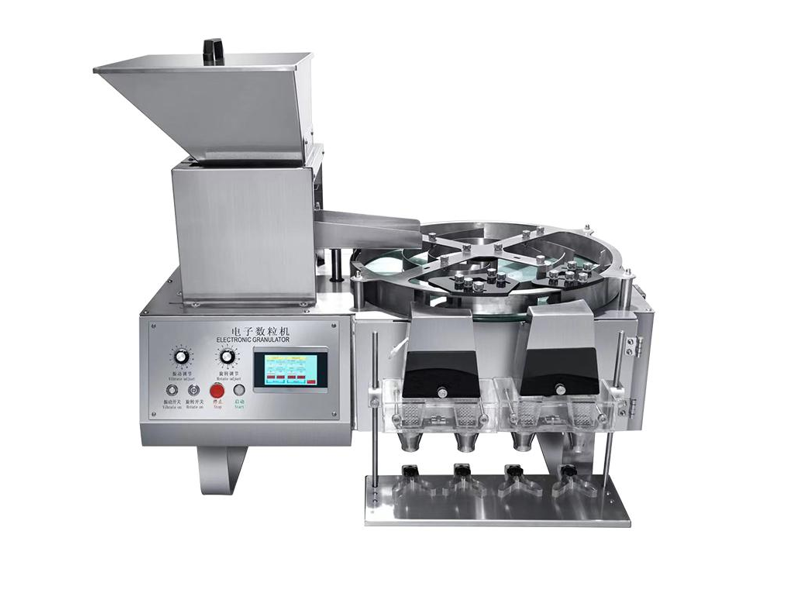
The application prospects for automated bottling and labeling equipment are extremely broad, with demand driven by consumer trends, regulatory requirements, and the widespread pursuit of production efficiency. This technology has become an indispensable part of modern production, with its core applications spanning multiple thriving industries. In the beverage industry, the rise of craft beer, artisanal spirits, and premium juices has driven demand for flexible labeling systems capable of efficiently handling small-batch, multi-variety, and irregularly shaped bottle labeling tasks. Meanwhile, high-speed, large-scale production lines for water and soft drinks rely on high-precision, highly reliable automatic labeling machines to ensure output. In the pharmaceutical and chemical sectors, labeling is critical for compliance and safety. Modern labeling equipment ensures 100% accurate application of important information, batch codes, expiration dates, and barcodes, meeting stringent traceability and tamper-proofing requirements, particularly for high-value personalized medications and small-batch specialty chemicals. Food and sauce packaging requires equipment with strong adaptability to handle various containers (from slender oil bottles to wide-mouth sauce jars) and withstand harsh environments such as humidity and condensation to ensure perfect label adhesion. In the cosmetics and personal care sector, premium brand imagery relies on equipment achieving bubble-free, absolutely precise labeling on luxurious glass or plastic bottles to address the challenges of complex bottle shapes. In the home care and industrial liquids sector, the focus is on economies of scale, with equipment needing to be durable to meet the high-speed, large-scale production demands of detergents and industrial liquid products.
Looking ahead, the development of bottle labeling equipment will deeply integrate with two major trends: first, sustainability, where equipment capable of handling recycled materials, paper labels, and minimal adhesive usage will be critical; second, Industry 4.0 and the Internet of Things (IoT), where next-generation labeling machines will be highly integrated smart devices offering real-time data analysis, predictive maintenance, and integration with central ERP systems, leveraging artificial intelligence (AI) for end-to-end quality inspection. In summary, investing in modern bottled labeling equipment is a long-term investment in a company's scalability, compliance, and brand excellence. Its application prospects are deeply integrated into the development trajectory of global manufacturing, helping companies seize emerging trends, expand into new markets, and confidently meet the evolving demands of the future.
20
May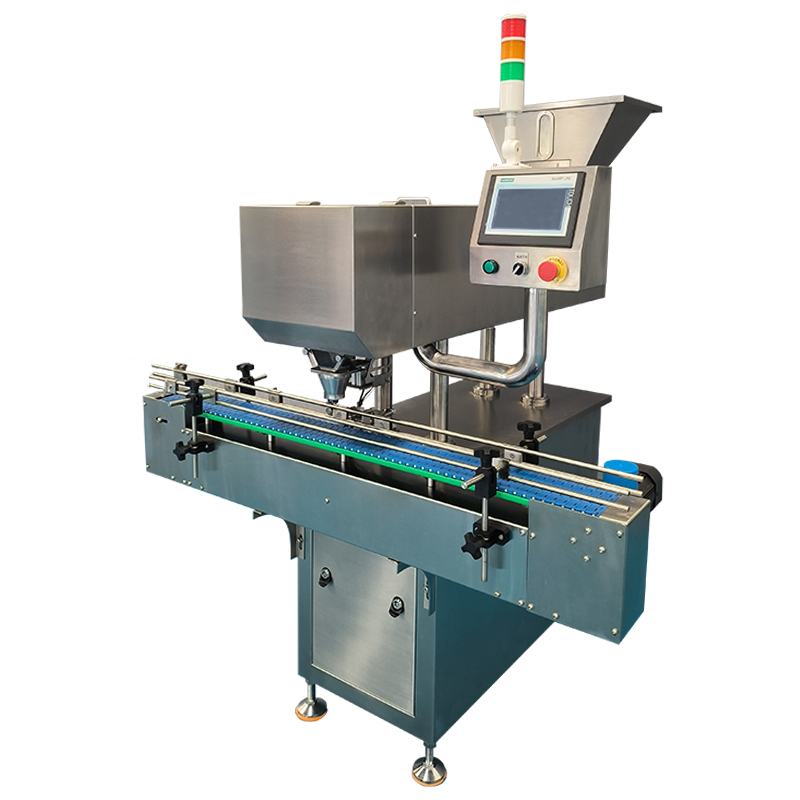
20
May
20
May
20
May
“Efficiency has improved significantly, and the packaging looks much more professional.”

“Stable operation and high precision, the main equipment on the production line.”