EN


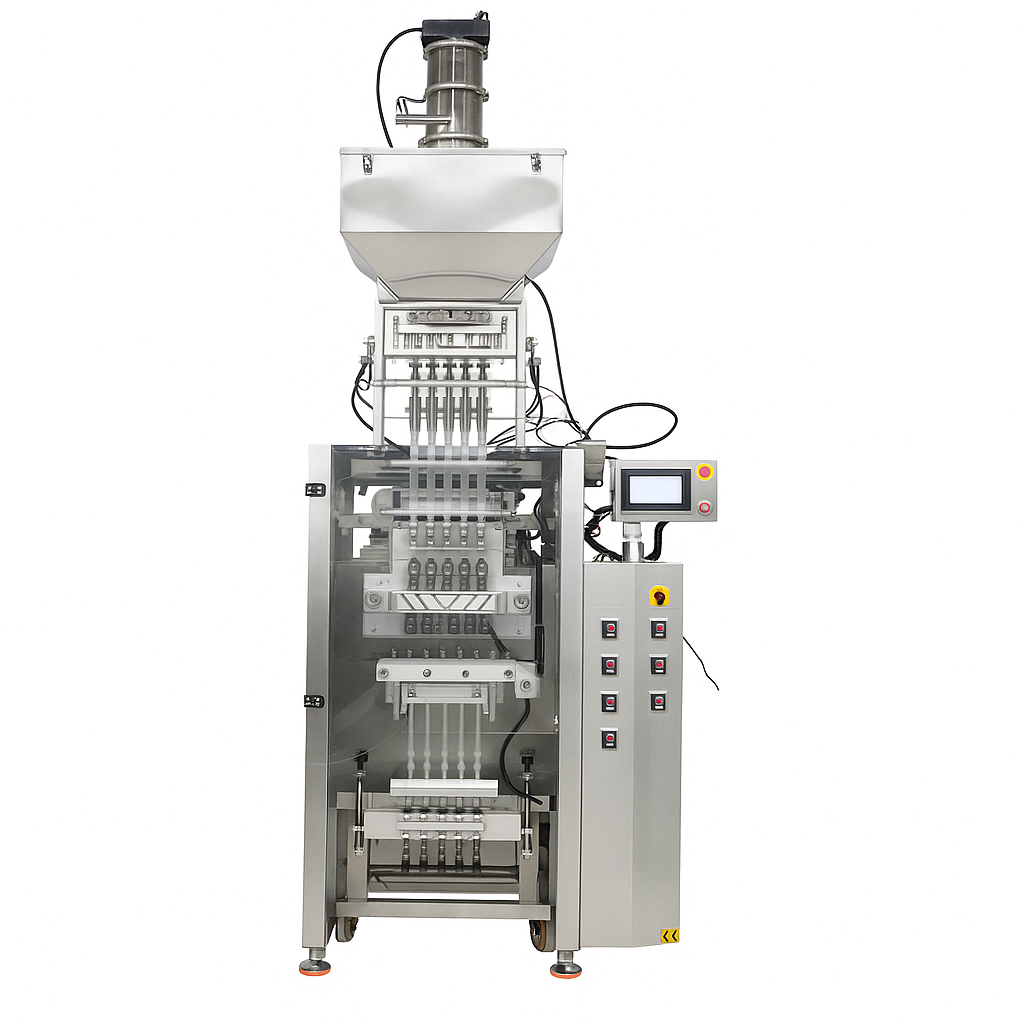
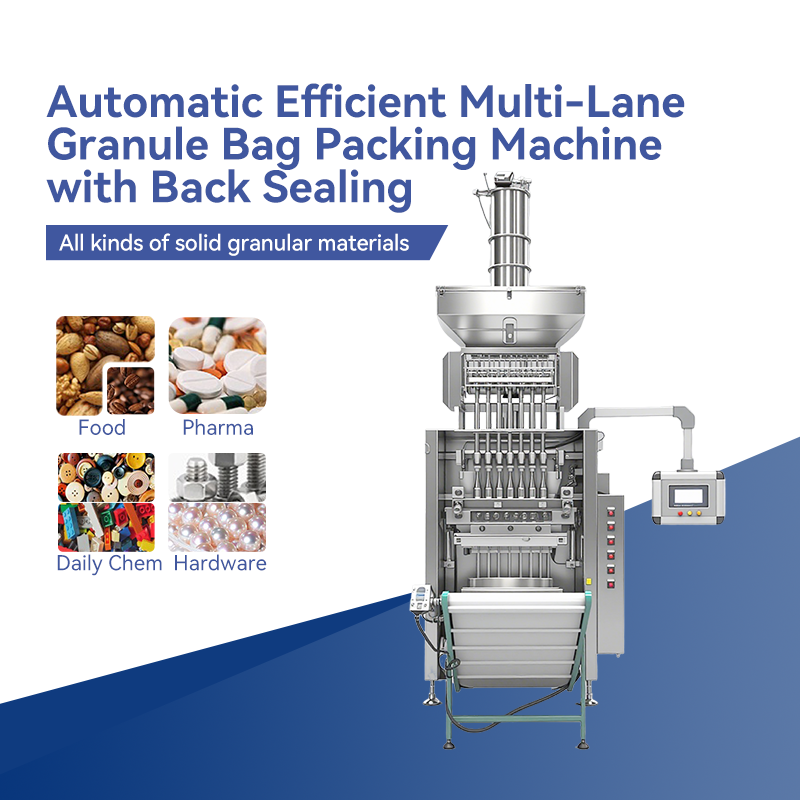
For companies researching “automatic packaging machine prices,” understanding the far-reaching implications of this investment is far more important than merely focusing on a single figure. This is not just the procurement of a piece of equipment, but a strategic upgrade concerning corporate efficiency, quality, and future development.
First, automatic packaging machines bring about a complete revolution in operational efficiency. They can transform the packaging process from a potential production bottleneck into a powerful competitive advantage. By transitioning from manual or semi-automatic to fully automated processes, the equipment operates at a stable high speed of dozens or even hundreds of bags per minute—a level of efficiency unmatched by manual labor. This not only means a substantial increase in output but also significantly reduces labor costs, freeing employees from repetitive tasks to focus on more valuable work. Simultaneously, the machine can run continuously 24/7, greatly enhancing equipment utilization and order fulfillment capabilities.
Second, it is crucial for safeguarding product quality and brand reputation. Automated production completely eliminates human error, ensuring flawless consistency in every item. Each seal maintains absolute integrity, drastically reducing the risk of leakage and product spoilage. This prevents costly recalls and customer complaints. Precise weighing and filling systems guarantee absolute accuracy in net content, preventing profit losses from overfilling while ensuring regulatory compliance. Ultimately, every uniformly presented, aesthetically pleasing package enhances shelf appeal and reinforces consumer trust in the brand.
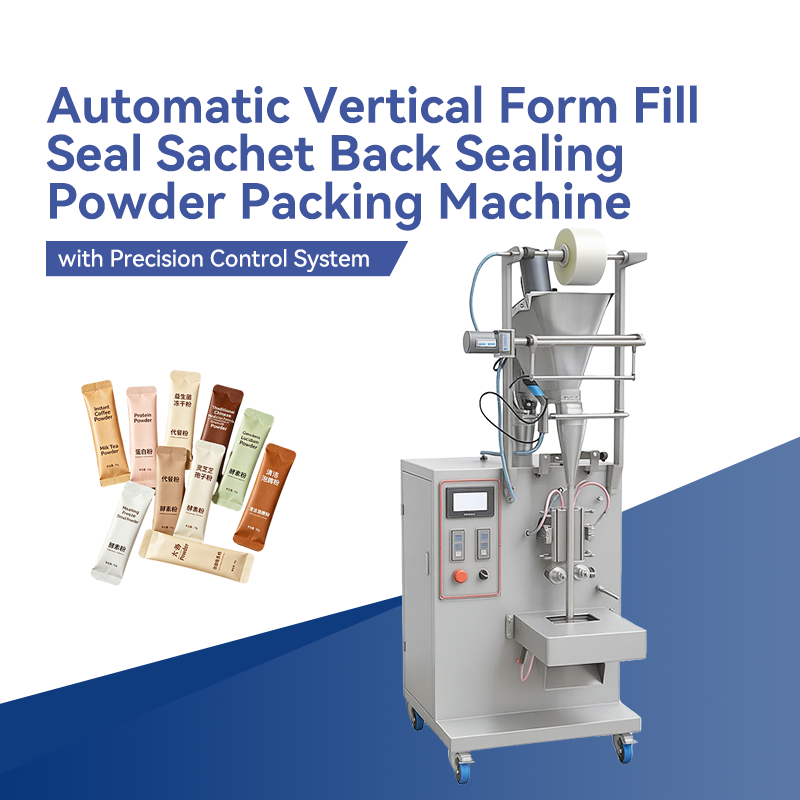
Moreover, automated packaging machines are pivotal for business expansion and operational flexibility. They lay a solid foundation for future growth, enabling seamless adaptation to sudden market surges or seasonal peaks without labor bottlenecks. The equipment's flexibility is equally outstanding: rapid mold changes allow effortless switching between different packaging styles (such as stand-up pouches, back-sealed bags, and three-side seals) and sizes, empowering businesses to swiftly launch new products and markets. Moreover, it integrates seamlessly into broader automated production lines, preparing businesses for future intelligent upgrades.
Ultimately, its core financial significance lies in redefining the concepts of “price” and “total cost.” While the initial investment in automated equipment is higher, the savings it delivers in labor, material waste (such as overfilling), and quality control (reducing returns) enable a rapid return on investment (ROI) that typically materializes within months. This shifts operational costs from variable labor expenses to fixed, depreciable capital investments, making financial forecasting clearer and more manageable. Therefore, choosing an automated packaging machine is essentially selecting a powerful tool that reduces total cost of ownership (TCO) and boosts profitability over the long term.
20
May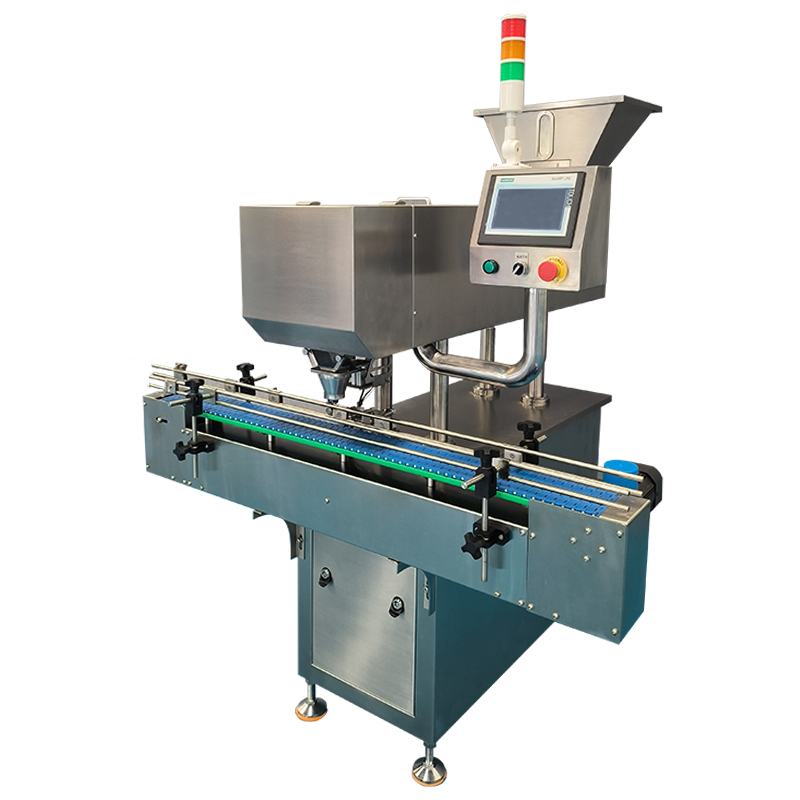
20
May
20
May
20
May
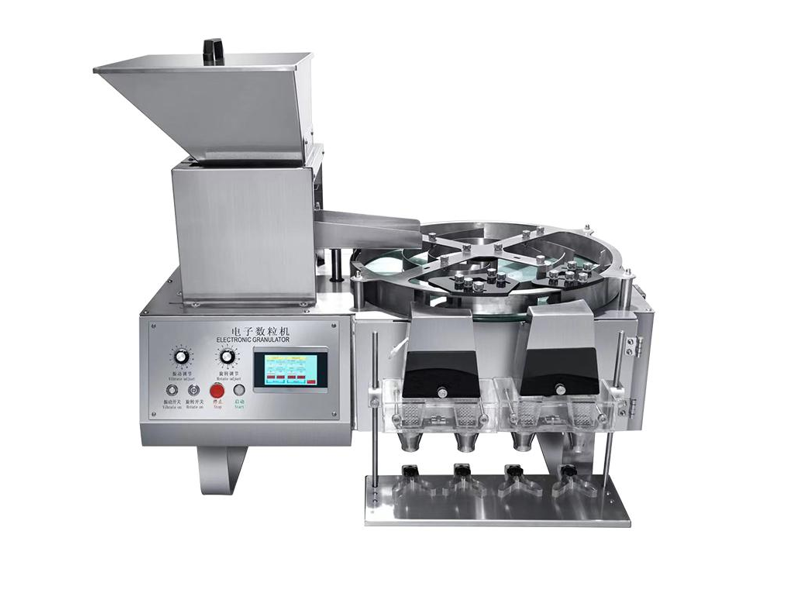
“Precise and efficient, ideal for small-batch production, with extremely convenient material changeovers.”

“The most reliable equipment on the production line, stable long-term operation, and easy employee training.”