EN


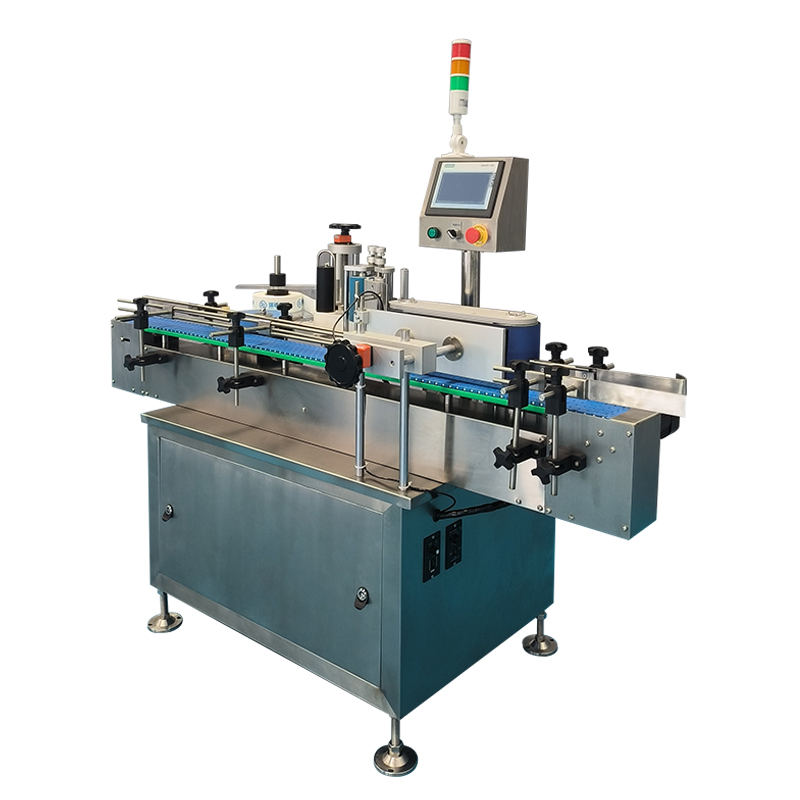
The application prospects for automatic labeling machines are extremely broad, and they are increasingly becoming core equipment for improving production efficiency, ensuring product quality, and achieving intelligent upgrades across multiple industries. In the food and beverage industry, automatic labeling machines can quickly and accurately apply product labels, nutritional information, barcodes, and promotional labels to various packaging forms such as bottles, cans, and bags, while ensuring compliance with strict food safety regulations. In the pharmaceutical and medical fields, automatic labeling is even more critical, as it can accurately label drug dosages, patient information, serial numbers, and tamper-proof seals, meeting global pharmaceutical tracking and traceability compliance requirements. The cosmetics and personal care industry relies on it to achieve bubble-free, high-precision label adhesion to maintain a premium brand image, while the chemical industry uses it to apply labels resistant to chemical corrosion, ensuring that safety information remains clear and readable.
Additionally, with the rapid growth of e-commerce and logistics, automatic labeling machines have become indispensable tools for efficiently processing large volumes of orders, applying shipping labels, and sorting labels. In the electronics manufacturing sector, they are used to accurately apply certification marks, serial numbers, and QR codes to enable product lifecycle management. Looking ahead, the potential of automatic labeling machines extends beyond single-function applications, particularly through their integration with the Internet of Things (IoT) and Industry 4.0. Modern labeling equipment can be integrated with intelligent data systems to monitor production status and consumable usage in real time, enabling predictive maintenance. Additionally, with the widespread adoption of smart labels (such as RFID, NFC, and QR codes), automatic labeling machines are becoming a critical component in achieving product digitization, anti-counterfeiting, and supply chain transparency. Their high flexibility and adaptability also enable businesses to quickly respond to market changes, easily switch between label designs and packaging specifications, thereby maintaining agility and the ability to sustain growth in intense market competition. Overall, automatic labeling technology has become a strategic investment for businesses to enhance automation levels, reduce costs, and build future intelligent operational systems.
20
May
20
May
20
May
20
May
“Efficiency has improved significantly, and the packaging looks much more professional.”

“Stable operation and high precision, the main equipment on the production line.”