EN

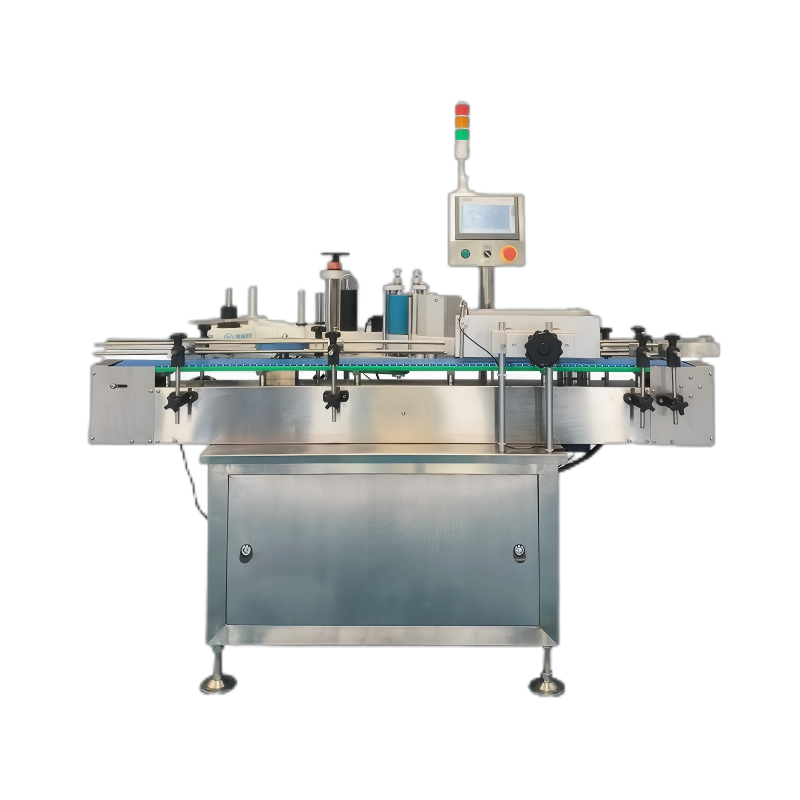
In modern automated production, label applicators have evolved from simple auxiliary equipment into strategic assets that enhance a company's core competitiveness. Their importance far exceeds expectations, as they achieve extremely high-precision label application, completely eliminating issues such as skewing, bubbling, or misapplication caused by manual operation. This ensures product appearance quality and brand reputation, and guarantees that barcodes can be quickly and accurately scanned during distribution. More importantly, labeling machines operate at speeds far exceeding human limits—capable of completing hundreds or even thousands of labeling operations per hour—significantly boosting production line throughput and overall operational efficiency. This directly helps businesses break through production capacity bottlenecks and effortlessly meet the growing demands of the market. From a cost perspective, automated labeling not only significantly reduces long-term labor costs but also frees employees from repetitive tasks to focus on higher-value work. Additionally, it drastically reduces material waste caused by misapplication, delivering immediate return on investment for businesses. Additionally, in industries such as food, pharmaceuticals, chemicals, and logistics, which are subject to strict regulatory oversight, labeling machines are critical for ensuring that product label information (such as batch numbers, expiration dates, and ingredients) is clear, accurate, and compliant, effectively mitigating compliance risks. In summary, investing in a labeling machine is not merely a simple equipment purchase but a critical investment in operational resilience, scalability, and long-term profitability, transforming a routine task into a powerful engine driving business growth.
20
May
20
May
20
May
20
May
“Efficiency has improved significantly, and the packaging looks much more professional.”

“Stable operation and high precision, the main equipment on the production line.”