EN


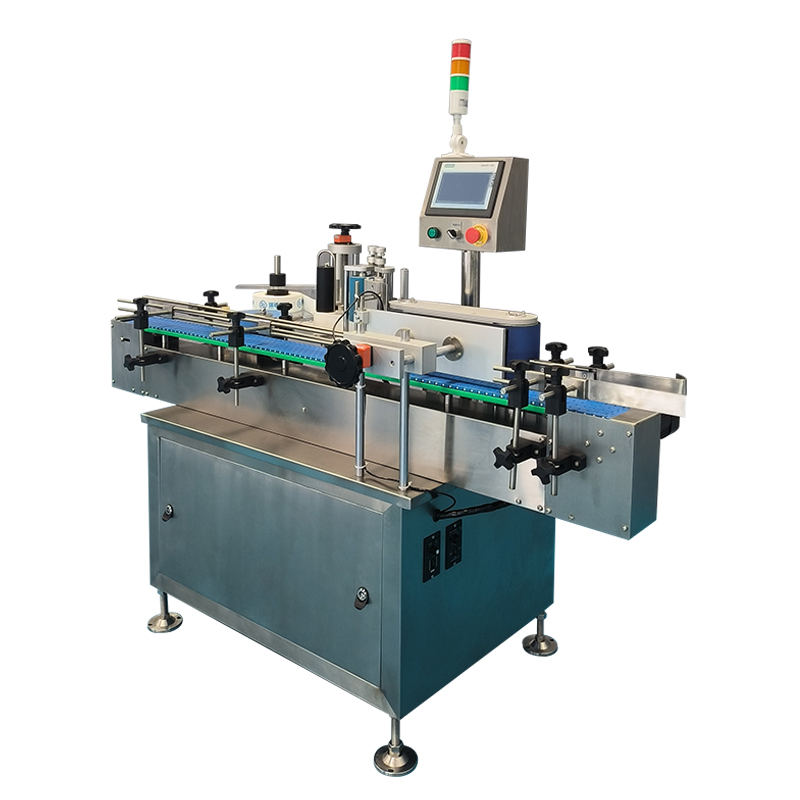
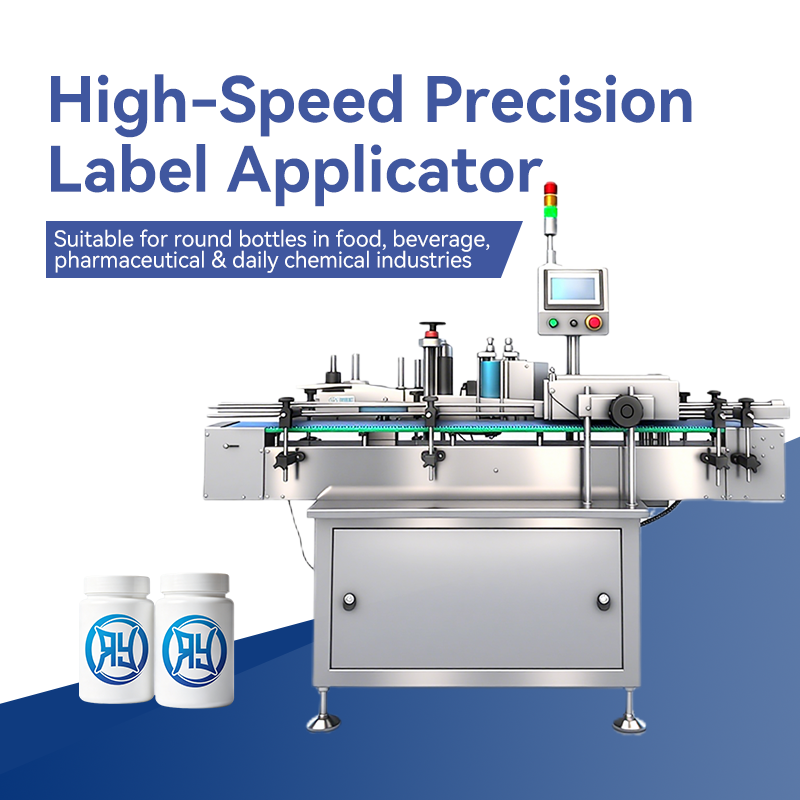
An automatic labeling machine is the core equipment of modern high-efficiency packaging production, and its importance goes far beyond simply applying a label to a product. It is a strategic asset that directly impacts a company's profitability, brand reputation, and operational scalability. For businesses committed to enhancing quality, efficiency, and achieving growth, transitioning from manual labeling to automation is a critical evolutionary step.
The primary significance of this equipment lies in its ability to completely resolve the core challenges faced by modern manufacturers: high costs associated with human error, insurmountable scalability bottlenecks, and hidden efficiency losses. The inherent instability of manual labeling can lead to misaligned or wrinkled labels, which not only make products appear inferior but may also trigger costly product recalls in strictly regulated industries such as pharmaceuticals and food and beverage. Automated labeling machines, equipped with precision sensors and stable mechanical structures, can nearly eliminate these errors, ensuring that every product meets the highest standards of appearance and compliance. Additionally, as market demand grows, manual processes quickly become bottlenecks on production lines, while automated labeling can seamlessly scale with production capacity, operating at speeds of hundreds of items per minute to unlock the full potential of the production line, truly representing an investment in the future.
The impact of this technology is directly reflected in a company's net profit. Its return on investment is primarily manifested in three aspects: First, by significantly reducing reliance on manual labor, it drastically lowers labor hours and related costs, enabling employees to be reassigned to more value-added roles such as quality control; Second, its extremely high precision minimizes material and product waste caused by labeling errors, protecting the profit margin of each product; Third, a perfectly applied label serves as the primary interface between the brand and consumers, conveying a professional, high-quality, and detail-oriented brand image, thereby building consumer trust, reinforcing the brand's premium positioning in the market, and directly influencing purchasing decisions.
In summary, the core significance of an automatic labeling machine lies in its ability to transform a simple packaging task into a powerful engine driving profitability, compliance, and brand strength. It is an essential foundational technology for any company seeking to compete on quality, confidently scale operations, and pursue extreme efficiency.
20
May
20
May
20
May
20
May
“Efficiency has improved significantly, and the packaging looks much more professional.”

“Stable operation and high precision, the main equipment on the production line.”