EN
EN


Machine Introduction
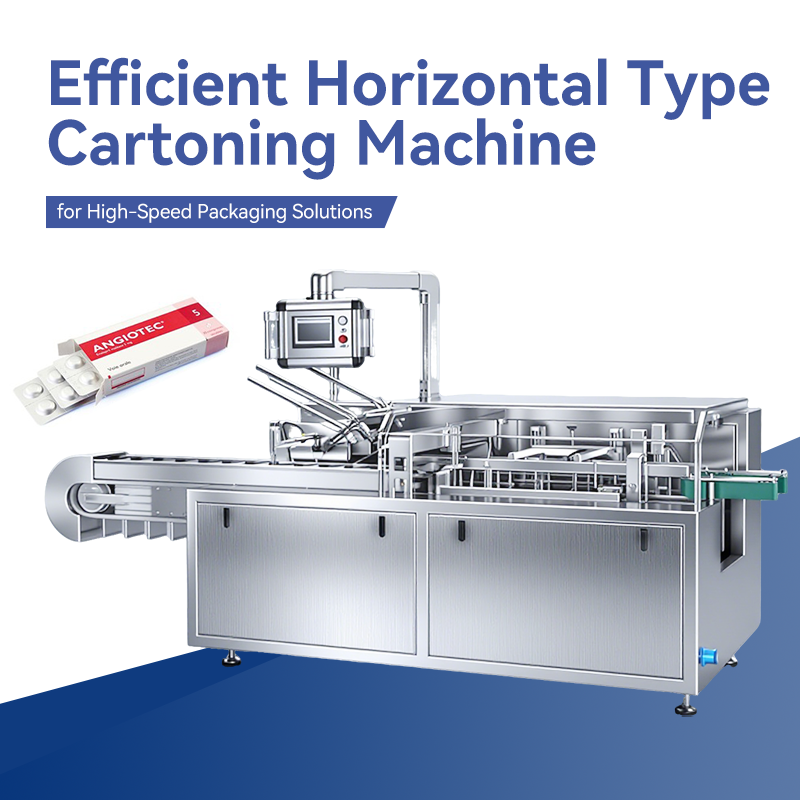
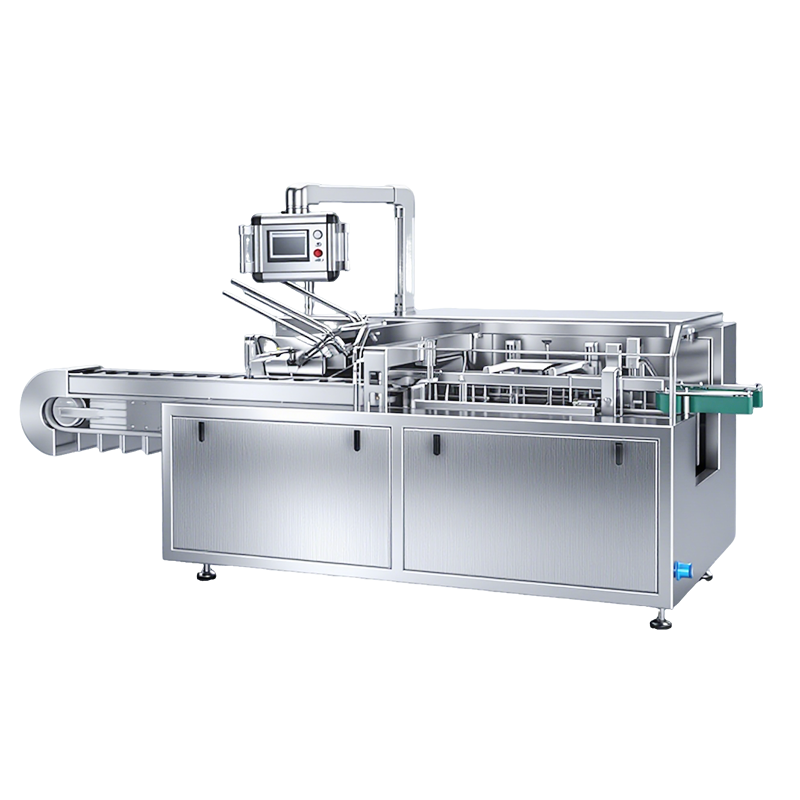
The Horizontal Type Cartoning Machine is Ruiyi Machinery's automated solution for secondary packaging in medium to high-volume pharmaceutical and consumer goods production lines. As the link between primary packaging — tablet bottling, blister packing, tube filling — and finished product shipping, the horizontal cartoner performs four synchronized operations in a single continuous process. First, flat carton blanks stored in a vertical magazine are picked one at a time by a vacuum suction arm, erected into their three-dimensional box shape, and placed into the carton transport chain's flighted carriers. Second, the primary-packaged product — bottles, blister cards, tubes, or sachets — is inserted horizontally into the open carton by a servo-driven pusher mechanism. Third, for pharmaceutical applications requiring patient information leaflets, a rotary leaflet folder picks, folds, and inserts the leaflet alongside or on top of the product within the carton. Fourth, the carton flaps are folded and tucked closed — or hot-melt glued for tamper-evident sealing — and the completed carton is discharged onto a takeaway conveyor. The entire process is controlled by a PLC system with a color touch screen human-machine interface that provides real-time production data, fault diagnostics, and recipe management for different carton formats. The machine's horizontal orientation makes it particularly suitable for products that are longer in one dimension, such as tablet bottles, and for integration into production lines where the primary packaging machine outputs product in a horizontal orientation. Ruiyi's cartoning machine is built on a welded steel frame with SUS304 stainless steel product-contact surfaces and transparent polycarbonate safety guarding that provides full process visibility while meeting CE machine safety requirements. With installations across pharmaceutical, nutraceutical, and cosmetic production facilities in 50+ countries, Ruiyi has refined cartoning technology through over 20 years of field experience, supported by a 70+ employee team including a 10-person R&D department focused on continuous improvement of carton handling precision and line integration capabilities.
Technical Parameters
Working Principle
The horizontal cartoning machine operates through a synchronized four-stage process managed by a central PLC with servo-driven motion control. Stage 1 — Carton Erection: Flat carton blanks are loaded into a vertical magazine with a capacity of approximately 300-500 blanks, depending on carton thickness. A vacuum suction cup on a reciprocating arm picks the outermost blank from the magazine and draws it into the erecting mechanism. Mechanical folding guides engage the blank's pre-scored fold lines to erect it into a rectangular tube, and the formed carton is placed between two flights on the continuously moving carton transport chain. The carton now moves with open ends facing the product insertion and closing stations. Stage 2 — Product Insertion: Primary-packaged products arrive at the machine via an infeed conveyor synchronized with the carton chain speed. A set of guides channels individual products into alignment with the open carton, and a servo-driven pusher bar extends to insert the product horizontally into the carton. The pusher stroke length and speed are adjustable through the HMI and are typically stored as recipe parameters for each carton format. An insertion confirmation sensor verifies that the product has been fully inserted before the carton advances. Stage 3 — Leaflet Insertion (Optional): For pharmaceutical applications, pre-printed patient information leaflets are loaded into a rotary leaflet feeder. The feeder picks individual leaflets from the stack using vacuum suction, folds them according to the programmed fold pattern (single, double, Z-fold, or C-fold), and inserts the folded leaflet into the carton. The leaflet station can be bypassed via the HMI for applications that do not require leaflets. Stage 4 — Carton Closing: The open carton flaps encounter stationary folding ploughs that progressively fold the top and bottom flaps inward. Depending on the machine configuration, the final closure is either a mechanical tuck-in where the end flap is tucked into the carton body, or a hot-melt glue system where adhesive is applied to the flap and the carton is compressed to set the bond. The completed and sealed carton is discharged onto an exit conveyor for manual packing into shipping cases or transfer to an automatic case packer. Throughout the process, multiple sensors monitor carton presence, product insertion status, leaflet presence, and flap closure integrity. Any fault triggers an immediate machine stop with the fault location and type displayed on the HMI for rapid operator response. The servo-driven main drive uses electronic cam profiling to coordinate all stations, eliminating the mechanical camshafts and gear trains used in earlier-generation cartoners and enabling software-based timing adjustments for different carton formats.
Key Features
Applications & Real-World Experience
Pharmaceutical Tablet Bottling Line — India
A Mumbai-based pharmaceutical manufacturer integrated Ruiyi's horizontal cartoning machine into their automated tablet bottling line to eliminate manual cartoning, which had become the production bottleneck. The company produces over-the-counter analgesic and antacid tablet products in 100ml and 150ml HDPE bottles, with annual production exceeding 15 million bottles. Before the cartoning machine installation, a team of 12 operators manually inserted filled bottles into cartons, added leaflets, and closed cartons — a labor-intensive process that limited overall line speed to approximately 35 bottles per minute despite upstream counting and capping equipment capable of 60 bottles per minute. Ruiyi configured the RY-120H with a custom infeed conveyor that accepted bottles in horizontal orientation directly from the existing capping machine's discharge, eliminating the need for bottle orientation changes. The leaflet insertion module was configured for a double-fold pattern on 60 gsm paper, matching the existing patient information leaflet specification. The machine was set up to handle two carton sizes — 100ml and 150ml — with recipe-based changeover completed in approximately 30 minutes. After installation and commissioning, the integrated line achieved a consistent 55-60 bottles per minute, representing a 60% throughput increase. The cartoning labor was reduced from 12 operators across two shifts to 3 operators responsible for carton blank replenishment and quality inspection. The manufacturer's quality manager reported that the consistent folding and tucking provided by the machine eliminated a recurring customer complaint about improperly closed cartons that had represented approximately 3% of product returns. The machine has operated for over 14 months on a two-shift schedule with preventive maintenance every 500 operating hours and one unscheduled stop due to a vacuum cup replacement — a component included in the spare parts kit provided by Ruiyi.
Blister Pack Cartoning — Mexico
A contract pharmaceutical packager in Mexico City serving multiple branded and generic drug manufacturers deployed Ruiyi's horizontal cartoning machine to handle diverse blister pack cartoning requirements. The facility packages 10-tablet and 14-tablet blister cards of various dimensions for antibiotics, anti-inflammatories, and cardiovascular medications from multiple clients, each with unique carton sizes, leaflet specifications, and closing requirements. The cartoning machine was configured with the hot-melt glue closing option because several clients specified tamper-evident sealed cartons, while the tuck-in closing mode was used for client products that did not require glue sealing. The recipe management system stores 18 different carton format configurations, with the contract packager's production schedule involving 3-5 format changeovers per 8-hour shift. Ruiyi provided on-site training for the facility's maintenance team on changeover procedures, and the team achieved the targeted 30-minute changeover time within the first month of operation. After installation, the cartoning machine's integration with the existing blister packaging line's discharge conveyor enabled continuous flow from blister sealing through carton discharge without manual product handling. The machine's carton erection reliability proved particularly important — with 18 different carton blank suppliers across their client base, carton blank quality varied, and the machine's adjustable vacuum suction force and blank separation fingers accommodated this variation. The plant manager reported a 40% reduction in cartoning labor costs and a complete elimination of leaflet insertion errors (previously averaging 2-3 per 1,000 cartons with manual insertion). The machine's positive impact on line efficiency enabled the contract packager to quote more competitive pricing and win two additional packaging contracts within 6 months of installation.
Cosmetic Tube Cartoning — Thailand
A Bangkok-based cosmetic manufacturer producing herbal toothpaste, facial cleanser, and hand cream in aluminum and laminate tubes selected Ruiyi's horizontal cartoning machine to upgrade from semi-automatic cartoning. The company exports products to Southeast Asian and Middle Eastern markets, where retail presentation quality in carton packaging significantly influences consumer purchasing decisions. The existing semi-automatic cartoning process involved operators manually opening cartons, inserting tubes and leaflets, and closing, resulting in inconsistent carton appearance — misaligned flaps, wrinkled carton surfaces, and occasionally missing leaflets — which generated quality complaints from export distributors. The RY-120H was configured with a custom tube infeed system that accepted tubes from the existing tube filling and sealing machine's output conveyor. Cartons were specified with a glossy laminated finish for premium shelf appeal, and the machine's gentle handling mechanisms were tuned to avoid surface scuffing of the delicate laminate. The tuck-in closing station was set with reduced mechanical pressure to prevent carton surface marking. A vision inspection system was integrated at the discharge for automated verification of carton closure quality and leaflet presence. Post-installation, the customer reported zero carton appearance complaints from export distributors in the 12 months following machine installation, compared to an average of 4-6 complaints per quarter previously. Production output increased by 80% compared to the previous semi-automatic process, and the consistent carton quality opened opportunities in premium retail channels that had previously rejected the product due to packaging presentation concerns. The cosmetic manufacturer has since ordered a second cartoning machine for a new skincare product line expansion.
Quality Assurance & Certifications
Ruiyi Machinery manufactures all cartoning machines under an ISO 9001:2015 certified quality management system with documented procedures covering design control, supplier qualification, incoming inspection, in-process testing, and final acceptance. Each RY-120H undergoes comprehensive factory acceptance testing including: carton erection reliability test (minimum 5,000 carton cycles with target erection success rate above 99.8%), product insertion accuracy test across the full carton size range, leaflet insertion verification (minimum 2,000 cycles with leaflet presence confirmation), and carton closing integrity inspection. All pneumatic, servo, and sensor components are sourced from internationally recognized brands with full traceability documentation. The machine frame is stress-relieved after welding to ensure long-term dimensional stability. The electrical system undergoes insulation resistance testing (minimum 1 MΩ at 500V DC), ground continuity testing (resistance below 0.1 Ω), and dielectric withstand testing (1,500V AC for 60 seconds) per CE Low Voltage Directive requirements. Each machine ships with a complete documentation package including: CE Declaration of Conformity, electrical safety test reports, pneumatic circuit diagram, servo drive parameter settings, PLC program backup on USB, comprehensive operation and maintenance manual in English and buyer's preferred language, and a recommended spare parts list with part numbers and vendor information. Ruiyi's 10-person R&D team maintains a cartoning technology development program that continuously improves carton handling precision, changeover speed, and line integration capabilities. Ruiyi's 20+ years of experience, 70+ employees, and installations in 50+ countries provide the technical depth to support complex cartoning applications with responsive after-sales service.
Frequently Asked Questions
1. What types of cartons and products can the horizontal cartoning machine process?
The horizontal cartoning machine processes pre-glued flat carton blanks made from paperboard in the range of 250-450 gsm, with standard carton sizes from 50x20x15mm (LxWxH) up to 200x80x60mm. Custom tooling can extend these ranges for specific applications. It accommodates a diverse range of primary-packaged products: pharmaceutical tablet and capsule bottles (plastic HDPE and PET, glass), blister packs (PVC/Alu, Alu-Alu, and Aclar laminates), collapsible tubes (aluminum, plastic laminate, and co-extruded), pre-filled sachets and stick packs, vials and ampoules in tray configurations, and small cosmetic and personal care items. The machine's horizontal product insertion orientation makes it particularly suitable for products where one dimension is significantly longer than the others, such as bottles and tubes. Ruiyi evaluates customer product and carton samples during the pre-sales process to confirm compatibility and recommend any custom tooling if needed.
2. How is the cartoning machine integrated with upstream packaging equipment?
The RY-120H cartoning machine is designed for seamless integration with upstream packaging equipment through several interface methods. The primary integration is a synchronized product transfer conveyor that receives products from the upstream machine — counting machine, blister packer, or tube filler — and delivers them to the cartoner's infeed at a speed matched to the cartoning cycle. A rotary encoder on the cartoner's main drive provides real-time speed feedback to the upstream machine's controller, ensuring precise speed synchronization. Hardwired interlock signals enable coordinated start/stop: if the cartoner stops for any reason, a signal is sent to stop upstream equipment, preventing product accumulation. Conversely, if the upstream machine stops, the cartoner completes processing of products already in the infeed buffer and then pauses. Optional fieldbus communication (Profinet, EtherNet/IP, or Modbus TCP) provides additional data exchange including production counts, alarm status, and speed commands. The infeed conveyor height is standardized at 850±50mm (adjustable) to match common upstream machine discharge heights. Ruiyi provides integration support including interface specifications, wiring diagrams, and remote commissioning assistance to ensure smooth line startup.
3. What maintenance does the machine require and what is the expected service life?
The RY-120H is designed for robust industrial operation with a structured preventive maintenance schedule. Daily operator-level maintenance includes vacuum cup inspection and cleaning, carton blank magazine cleaning to remove paper dust, and visual inspection of product guides and carton closing ploughs. Weekly maintenance includes chain lubrication (centralized automatic lubrication system is optional), sensor lens cleaning, and verification of safety interlock function. Monthly maintenance includes drive belt tension check, pneumatic system inspection (filter drain, lubricator oil level, leak check), and electrical connection tightness check. Major service intervals at 2,000 and 5,000 operating hours include replacement of wear components: vacuum cups, carton chain rollers, drive belts, and pneumatic cylinder seals. Ruiyi provides a detailed preventive maintenance schedule and checklist in the operation manual. With adherence to the recommended maintenance schedule, the expected service life of the machine's core mechanical components (frame, carton chain, drive system) exceeds 15 years in single-shift operation. Wear components including vacuum cups (3-6 month replacement interval), carton chain rollers (12-18 months), and drive belts (24-36 months) are designed for quick replacement with standard tools. Ruiyi maintains spare parts inventory for all critical and wear components, with express international shipping in 3-7 working days. Extended warranty packages covering years 2-5 and annual preventive maintenance service contracts with factory-trained technicians are available.
4. Can the machine handle both tuck-in closing and glue sealing, and how is the changeover managed?
The RY-120H can be equipped with both tuck-in mechanical closing and hot-melt glue sealing stations on the same machine, with selection between the two methods managed through the HMI recipe system. When configured as a dual-closure machine, the glue application station is positioned upstream of the tuck-in station, and the HMI recipe determines which station is active for each carton format. For glue-sealed cartons, the glue system activates and the tuck-in mechanism retracts; for tuck-in cartons, the glue system remains idle and the tuck-in mechanism engages. The glue system uses a hot-melt tank with PID temperature control (typically 150-180°C depending on adhesive specification), a precision gear pump for consistent adhesive delivery, and a nozzle applicator with programmable bead pattern. Changeover between glue types or the transition between tuck-in and glue modes requires approximately 10 minutes in addition to the standard carton size changeover time. The HMI provides separate recipe storage for glue parameters (temperature, pump speed, bead length, bead position) and tuck-in parameters (flap folding sequence, tucking depth). For manufacturers who only require one closure method for all products, single-mode machines are available at lower cost. Ruiyi recommends the dual-closure configuration for contract packagers and multi-product manufacturers who need the flexibility to meet different customer or market requirements without investing in separate machines.