EN
EN


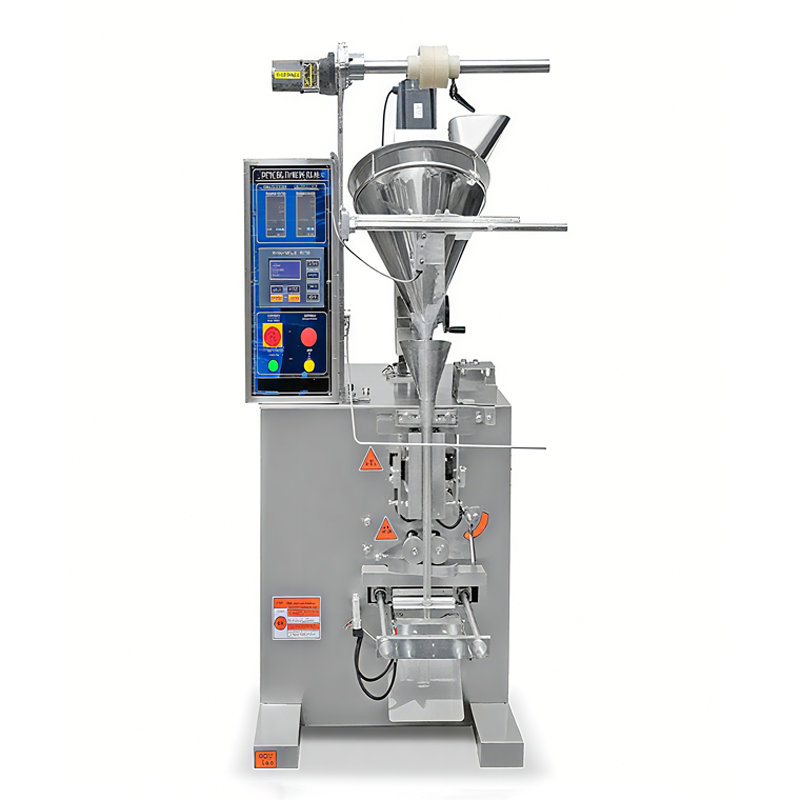
In the modern packaging industry, the automatic water bag filling and sealing machine is far more than a simple piece of equipment—it is a core strategic asset driving business growth and leading market trends. As global demand surges for portable, affordable, and sustainable drinking water solutions, traditional bottled water models face dual challenges of environmental sustainability and cost efficiency. Water pouches, offering lighter weight, reduced plastic usage, and enhanced logistics efficiency, have emerged as the ideal alternative. Consequently, the efficient automated machinery producing them has become pivotal to meeting this market demand.
From a commercial operations perspective, this machine's significance lies in its transformative impact. Through high-speed, fully automated production, it transforms inefficient, labor-dependent processes into continuous assembly lines capable of producing thousands of pouches per hour. This dramatically boosts production efficiency and scalability, enabling businesses to effortlessly meet massive market demand. Simultaneously, automation significantly reduces labor costs and human error rates. Combined with the efficient utilization of packaging materials and optimized logistics costs, it delivers substantial cost savings and enhanced return on investment (ROI) for enterprises. More importantly, the machines ensure consistent sealing precision and product uniformity, fundamentally eliminating leakage risks, safeguarding brand reputation, and reducing product waste.
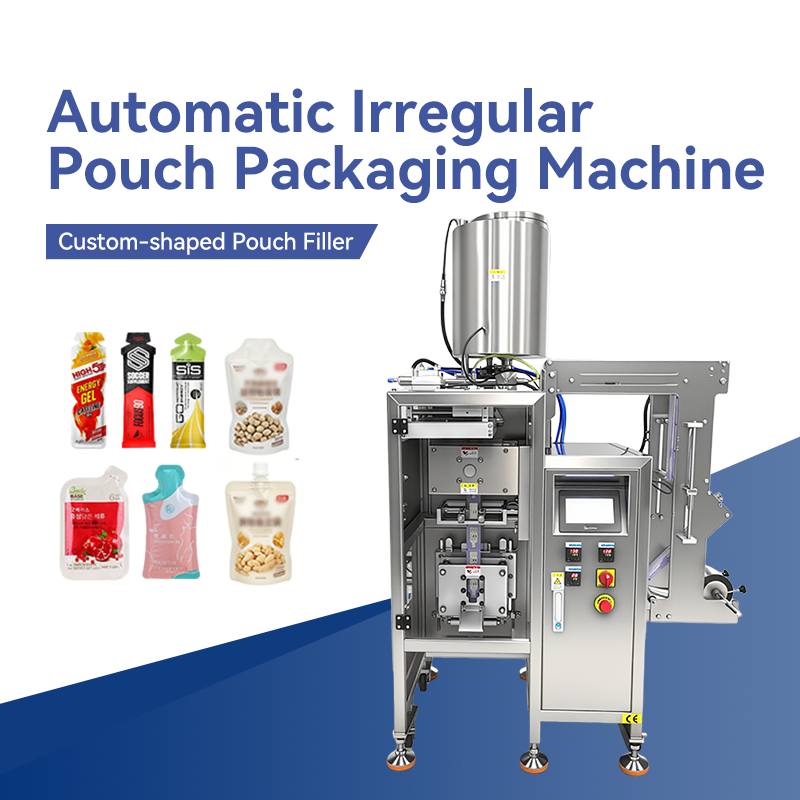
Strategically, investing in hydration pack production equipment is a pivotal step toward seizing future market opportunities. It empowers brands to proactively respond to growing consumer demand for eco-conscious choices, capturing leadership in the sustainable consumption market by offering packaging solutions with a smaller plastic footprint. Moreover, the equipment's high flexibility supports customized production, allowing companies to design diverse pouch shapes and innovative patterns for various scenarios—such as sports hydration, emergency supplies, and promotional campaigns—serving as a powerful tool for brand differentiation. Its supply chain advantages are equally significant: flat-packed pouches save substantial space and costs in warehousing and transportation, building a solid competitive edge for businesses.
20
May
20
May
20
May
20
May
“Precise and efficient, ideal for small-batch production, with extremely convenient material changeovers.”

“The most reliable equipment on the production line, stable long-term operation, and easy employee training.”