EN


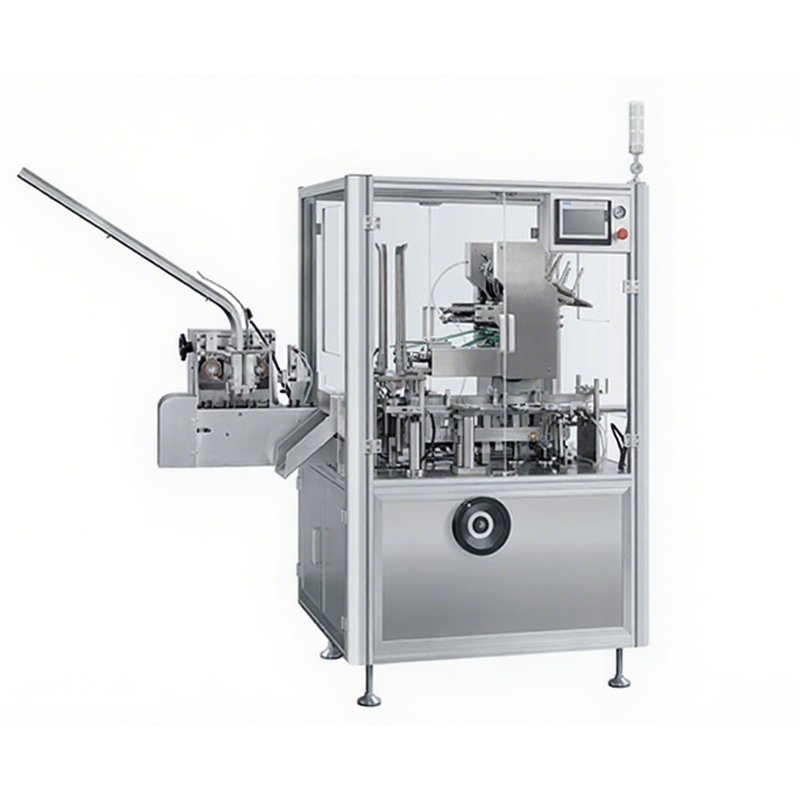
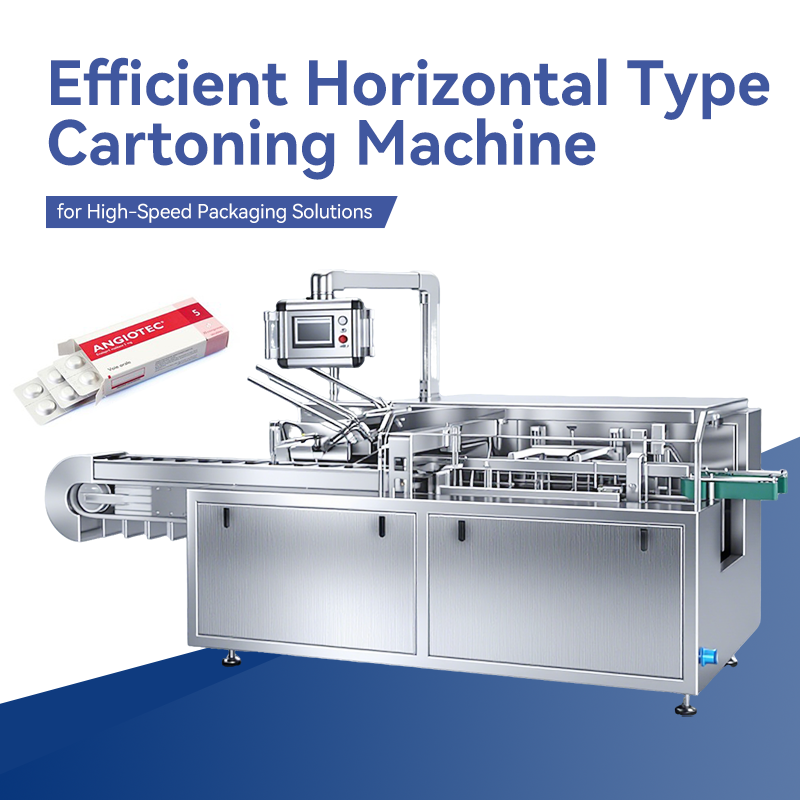
As a core piece of equipment in modern automated packaging, the vertical cartoning machine plays a crucial role in multiple key dimensions. Through its efficient and precise automated operations, it has completely transformed traditional production processes, becoming a strategic piece of equipment for industries such as pharmaceuticals, food, cosmetics, and consumer goods to enhance production efficiency and quality control. The equipment can operate at high speeds of hundreds of boxes per minute, significantly increasing production line throughput and enabling businesses to quickly respond to market demand changes while drastically reducing labor costs and material waste during the packaging process. In terms of quality assurance, the vertical cartoning machine uses robotic arms to precisely perform actions such as opening boxes, filling, and sealing, ensuring consistency and safety in every finished package. This is crucial for maintaining brand image and consumer trust. For highly regulated industries such as pharmaceuticals and medical devices, the equipment can integrate functions such as weight detection, visual recognition, and data recording, strictly adhering to GMP standards and regulations to achieve product traceability and zero-defect quality objectives. Additionally, modern vertical cartoning machines feature high flexibility and modular design. By quickly replacing specification components and intelligently adjusting parameters, they can adapt to diverse packaging forms and product types, enabling enterprises to achieve multi-category production on the same platform and providing technical support for future product expansion. In summary, vertical cartoning machines are not only automated tools for the packaging process but also important strategic assets for enterprises to optimize supply chains, reduce costs, ensure compliance, and accelerate market response.
20
May
20
May
20
May
20
May
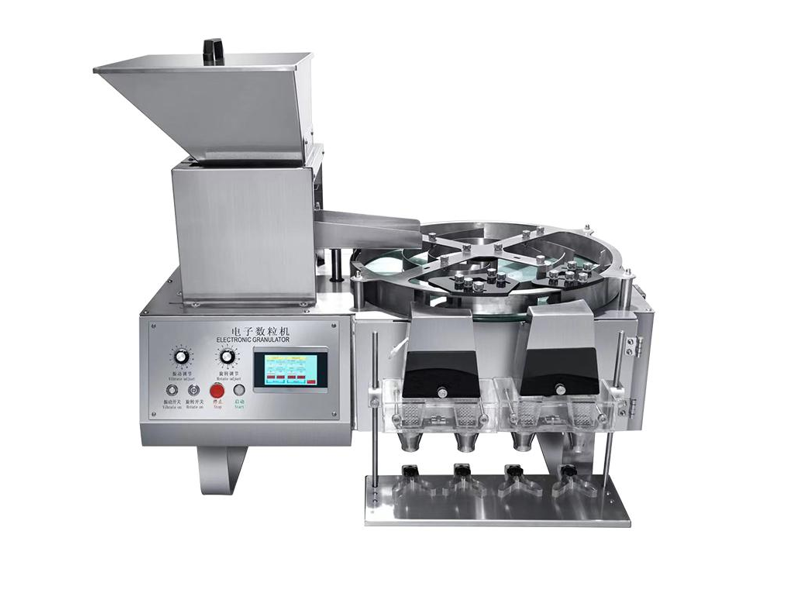
“The efficiency improvement is huge, saving nearly three hours of manual counting time every day, with a very high accuracy rate.”

“Easy to operate and clean, no more worries about cross-contamination.”