EN


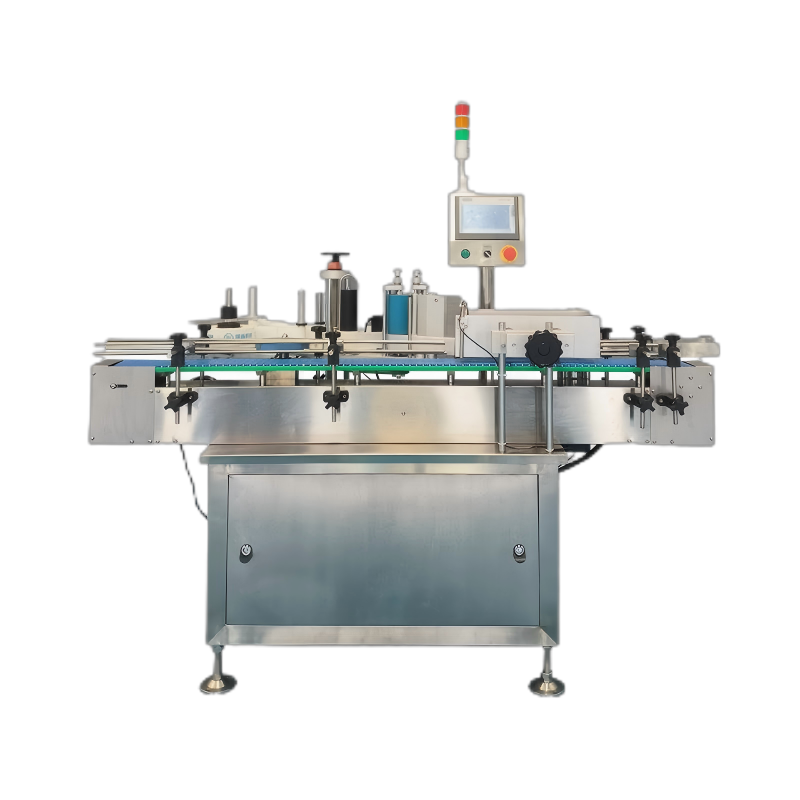
Round Bottle Labeling Machine: An Automated Solution for Enhanced Efficiency, Precision, and Brand Value
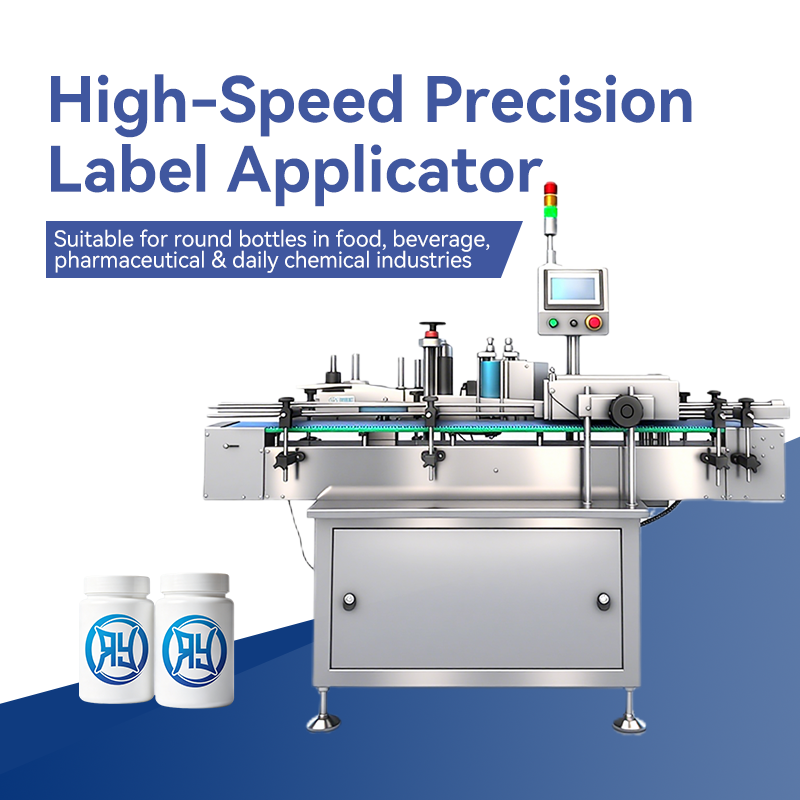
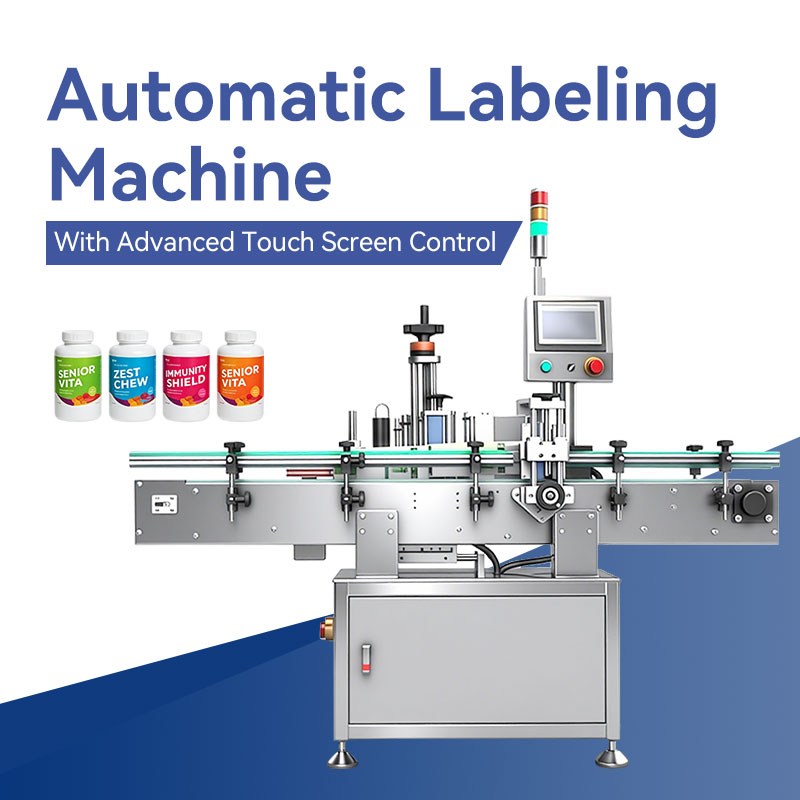
In modern industrial packaging, the round bottle labeling machine has evolved from an auxiliary device to a core production tool, its importance undeniable. Specifically engineered to tackle the challenges of labeling cylindrical containers, this equipment significantly boosts production line efficiency through a highly automated workflow. Capable of processing hundreds of bottles per minute, it eliminates the bottlenecks and high labor costs associated with manual or semi-automatic labeling, laying a solid foundation for enterprise-scale growth.
Beyond efficiency gains, the round bottle labeler safeguards brand quality. Equipped with precision sensor systems, stable mechanical structures, and programmable controllers, it ensures each label adheres flawlessly—bubble-free, wrinkle-free, and perfectly positioned. This impeccable visual consistency directly enhances shelf appeal, protecting the brand's premium image and market credibility.
Moreover, the exceptional versatility of modern cylindrical bottle labeling machines makes them a future-proof investment. Through simple component swaps and parameter adjustments, a single machine can flexibly handle containers ranging from small cosmetic bottles to large beverage drums—accommodating various diameters and heights while seamlessly switching between materials like glass, plastic, and metal. This adaptability drastically reduces downtime during product changeovers, providing robust support for enterprises launching new product lines.
In industries like food safety and pharmaceuticals, compliance is paramount. By integrating with printing systems, the round bottle labeling machine automatically prints and precisely applies labels containing critical information such as batch numbers, production dates, and expiration dates. This eliminates risks of misapplication or omission associated with manual operations, ensuring full product traceability. It effortlessly meets stringent regulatory requirements like cGMP, mitigating potential recall risks and legal disputes.
20
May
20
May
20
May
20
May
“Efficiency has improved significantly, and the packaging looks much more professional.”

“Stable operation and high precision, the main equipment on the production line.”