EN
EN


Machine Introduction
The bottles to be labeled are transferred via a bottle conveyor track. The photoelectric sensor detects the passing bottles and sends a signal. The drive system receives the signal and activates the labeling process. The tensioning system ensures proper tension of the label tape. The label passes through a coding machine for printing, and a positioning photoelectric sensor locates the label based on its length. The system pulls out a certain length of the label, and with the help of the labeling and pressing components, the label is automatically peeled off and smoothly applied to the required position on the bottle, completing the entire labeling process.
Technical Parameters
Model Name |
Ry-AHL |
Application |
Round plastic bottle |
Bottle Size |
Diameter 20-100mm Height: 40-180mm |
Capacity |
20-100 bottles/min (According to the sizes of the product and label) |
Label Requirement |
Self-Adhesive Sticker Labels in Roll Form |
Label Size |
Width ≤ 110mm Length is less than the circumference of bottle. |
Label Roll Size |
Inner Diameter: Ø 75mm Outer Diameter: Ø 350mm (Max.) |
Compressed Air |
0.6Mpa |
Voltage |
220V 50HZ Single Phase |
Power |
0.7KW |
Machine Weight |
250kg |
Overall Dimension (L*W*H) |
1960*700*1600mm |
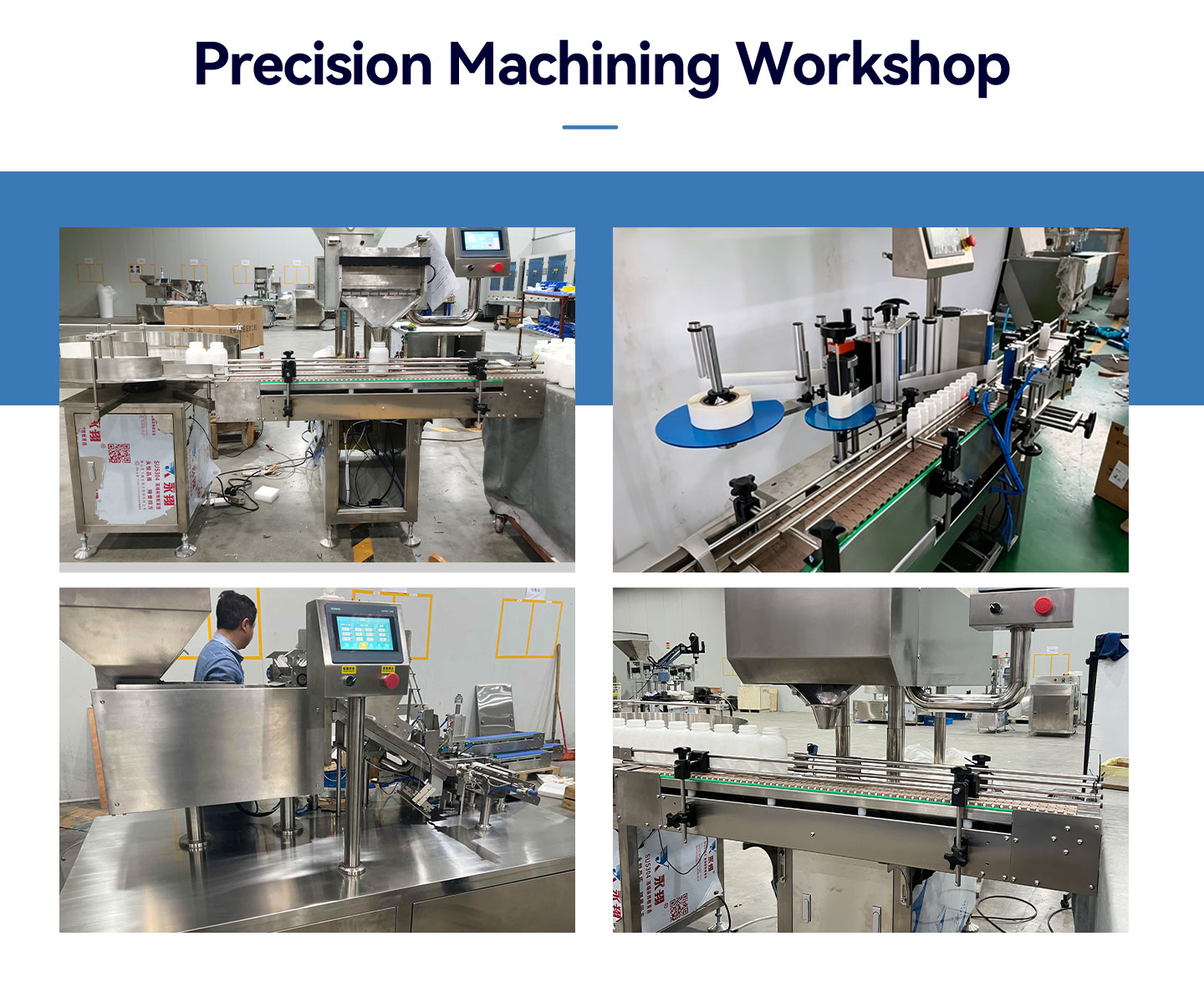
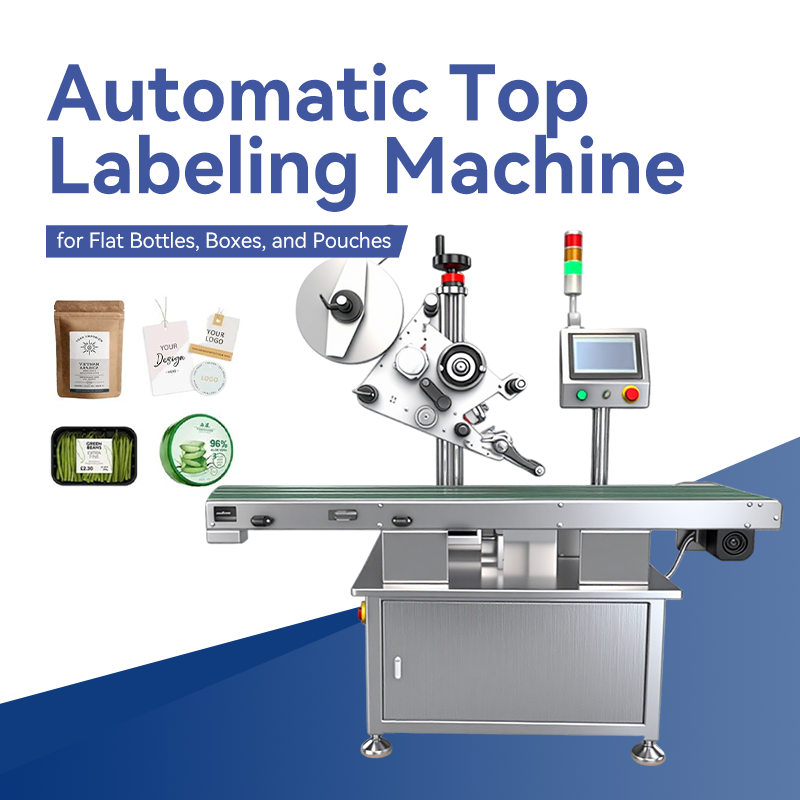
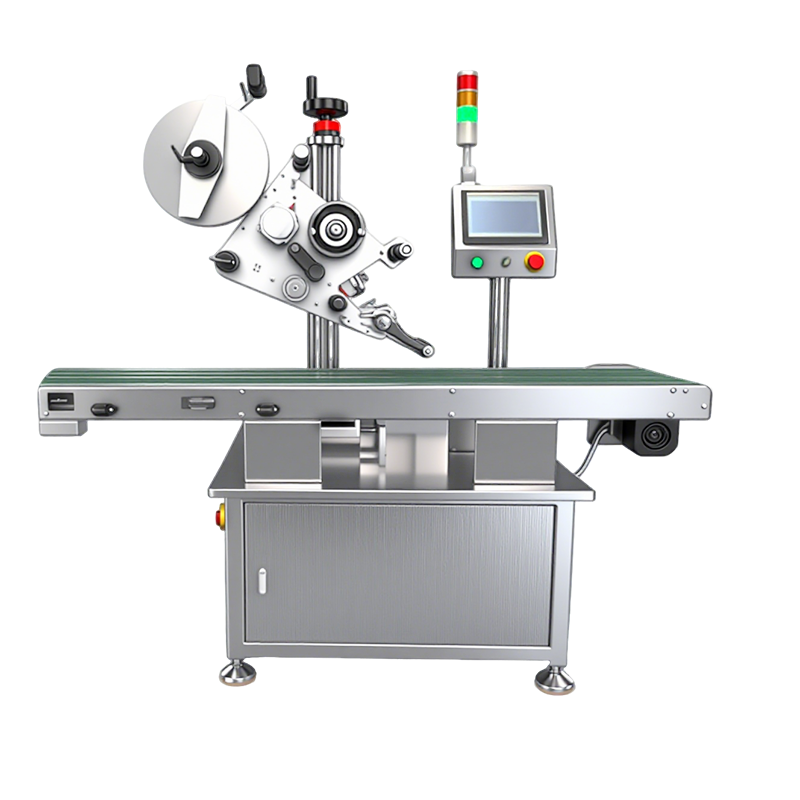
The Ry-AHL is an automatic top-surface labeling machine engineered for flat and rectangular packaging formats across pharmaceutical, food, cosmetic, and consumer goods production lines. The standard model delivers 20 to 100 labels per minute with positioning accuracy of plus or minus 1 mm, while the servo-driven upgrade pushes throughput to 120 pieces per minute and doubles accuracy to plus or minus 0.5 mm through closed-loop position feedback.
Designed for multi-SKU environments where product changeovers happen several times per shift, the machine stores up to 50 complete product parameter sets on its 7-inch color HMI touch screen. A single recipe recall reduces changeover time from the typical 10 to 15 minutes down to under 3 minutes, a reduction of 70 to 80 percent that directly translates into recovered production hours over a year of operation.
The upgrade model replaces the standard stepper motor with a servo motor paired with an absolute encoder, providing closed-loop position verification at every label application cycle. This architecture delivers three measurable improvements over open-loop stepper systems:
The 7-inch color HMI serves as the central control interface for all machine operations. Its recipe management system stores up to 50 complete product parameter sets, including conveyor speed, label length, dispensing timing, press pressure profile, and detection thresholds. Operators recall a saved recipe with a single screen tap, and the machine automatically adjusts all parameters without manual data entry.
A USB port on the HMI allows recipe backup, recipe transfer between machines, and firmware updates. This capability proves valuable when a production facility operates multiple labeling machines that handle the same product portfolio, as parameter sets can be cloned rather than recreated on each unit.
The labeling process follows a precisely orchestrated five-stage sequence:
The servo upgrade model is built entirely from SUS304 stainless steel, including the machine frame, conveyor bed, guide rails, and all housing panels. This material selection eliminates the aluminum alloy components used in the standard model, providing superior corrosion resistance for washdown environments in food, dairy, beverage, and pharmaceutical manufacturing. The stainless construction also prevents galvanic corrosion at dissimilar metal junctions, extending structural lifespan in humid or chemically aggressive production areas.
Dedicated PLC digital I/O channels on the servo model support seamless integration with vision inspection cameras, barcode verifiers, and OCR systems. The machine receives real-time inspection results and can activate a pneumatic reject station to automatically divert non-conforming products from the line. The HMI records detection statistics by product, batch, shift, and defect type, supporting pharmaceutical traceability and data integrity requirements.
The servo-driven model has demonstrated measurable performance improvements in production environments across multiple industries:
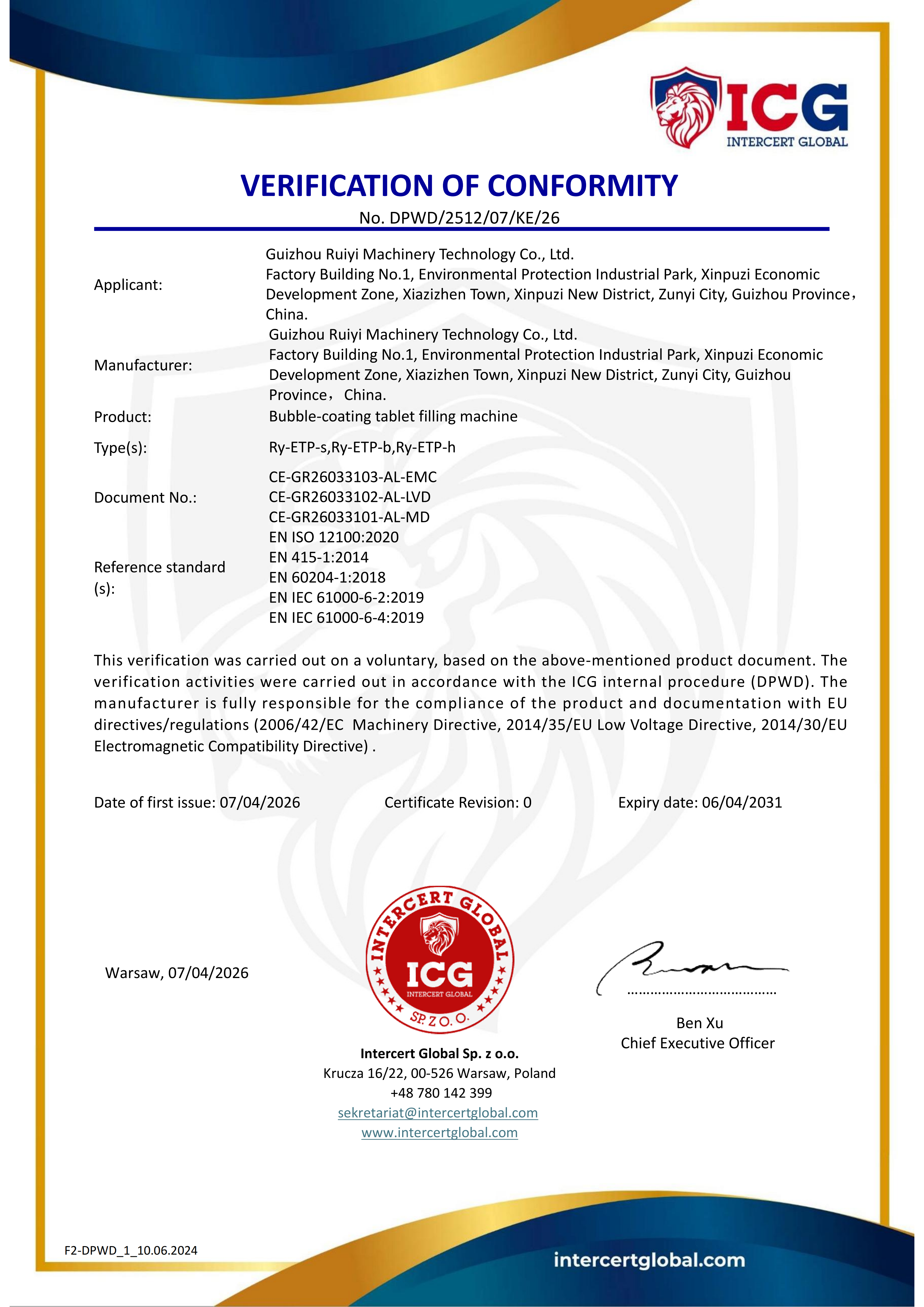
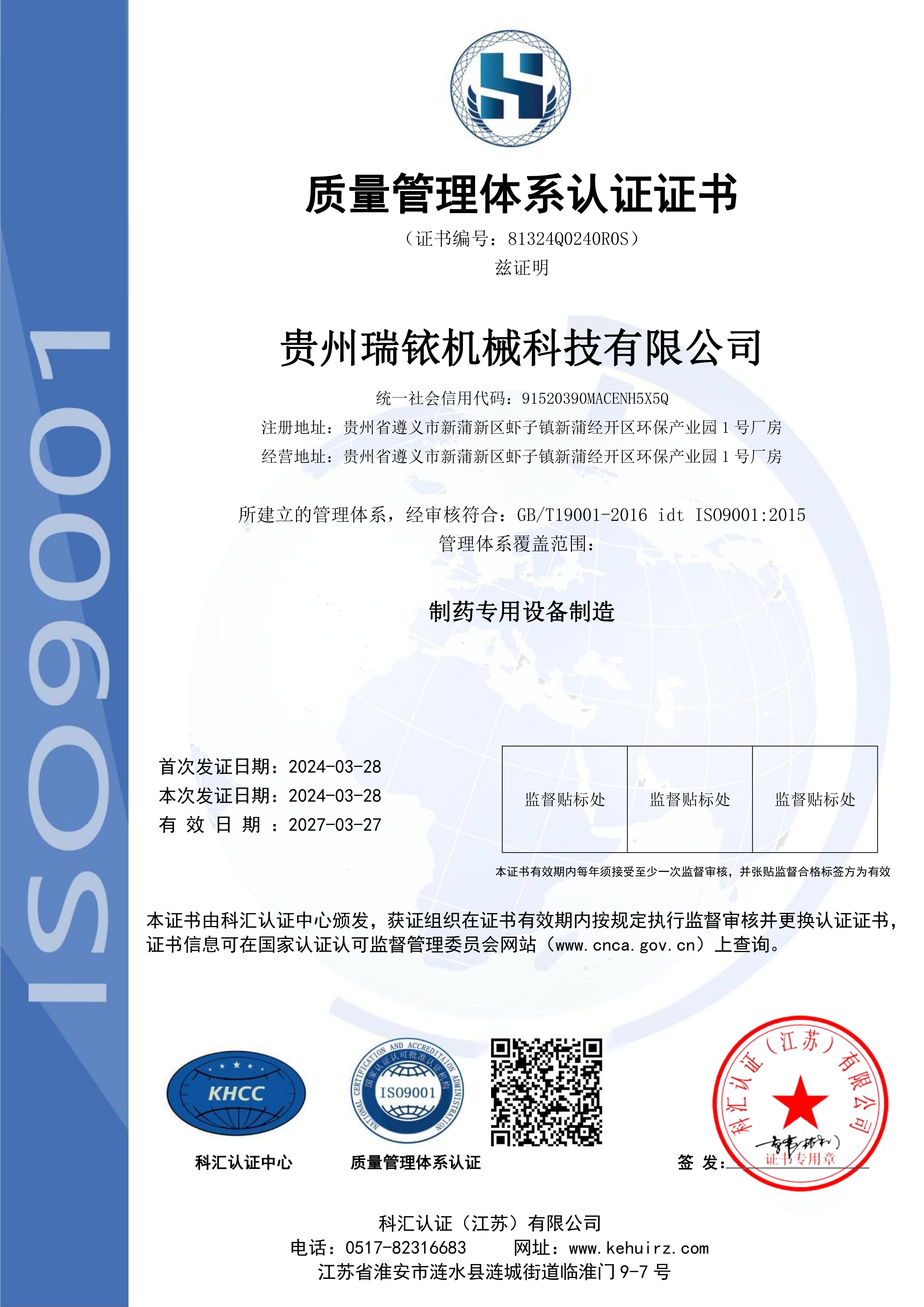
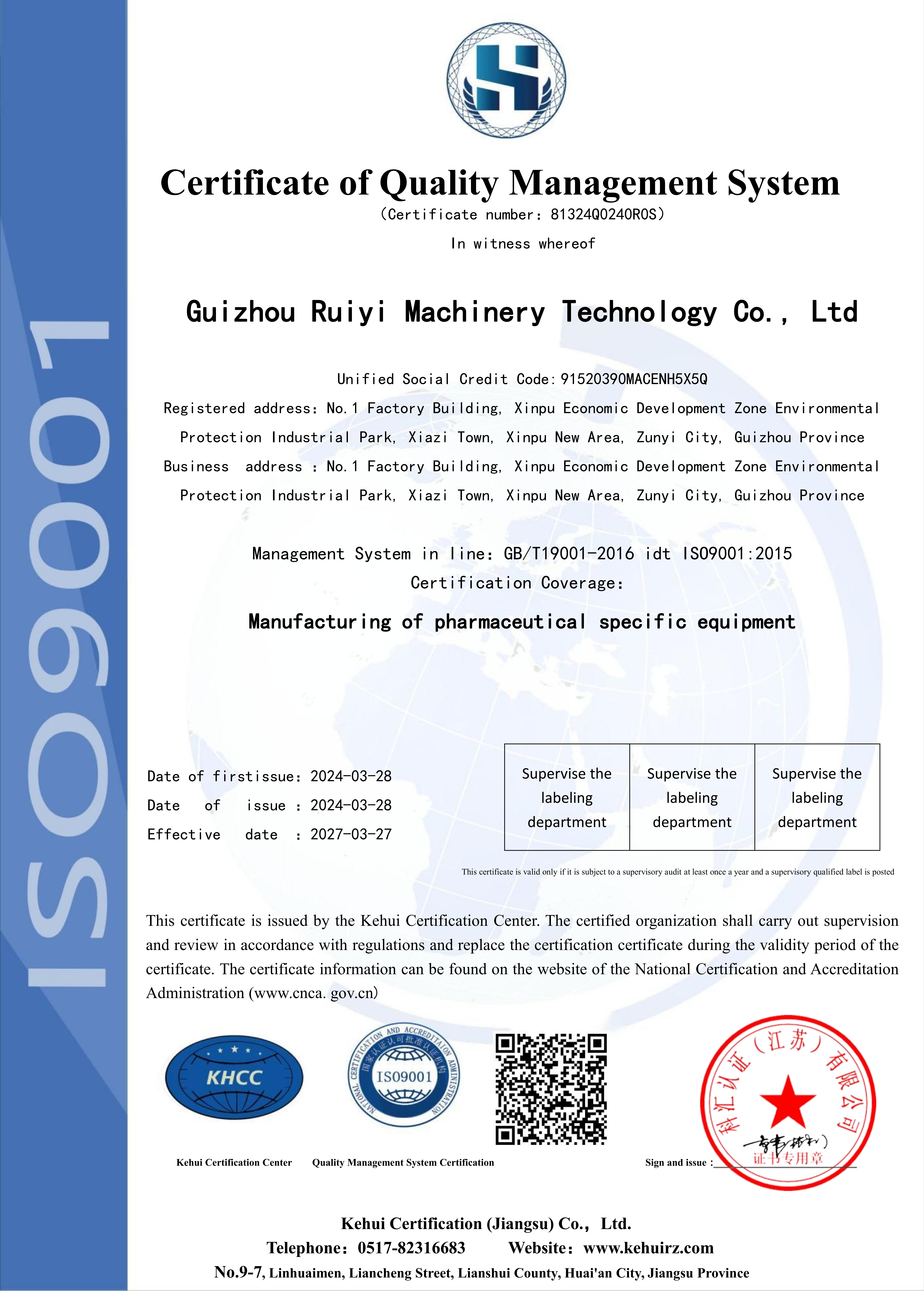
Factory acceptance testing for each unit includes laser interferometry verification of servo motor position accuracy, torque monitoring under load, electronic cam validation, and HMI recipe storage testing. The machine is manufactured under ISO 9001:2015 certification, and core components are sourced from globally recognized industrial automation manufacturers to ensure spare parts availability and worldwide technical support.
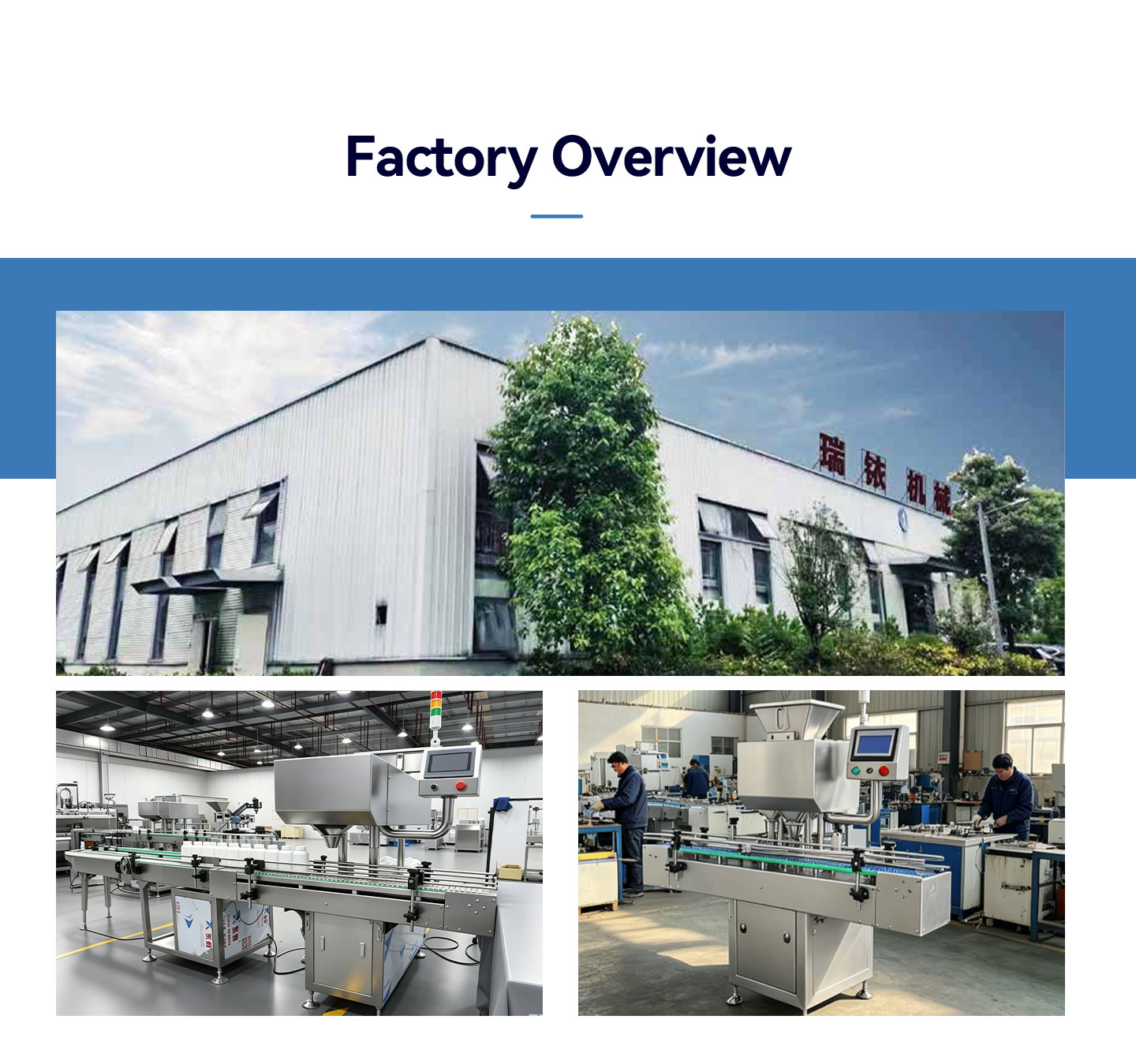
Extended warranty options covering years two and three are available, including scheduled preventive maintenance visits. The 10-person research and development team at Hangzhou Ruiyi Machinery Technology Co., Ltd continues to refine the platform based on field data from installations across 50-plus countries.
For detailed specifications, servo upgrade consultation, or to discuss your multi-SKU labeling application, contact our product development team:
tel:+86-13868159610
email:[email protected]
Authored by Sarah Wang, Product Development Manager at Hangzhou Ruiyi Machinery Technology Co., Ltd. Sarah oversees the labeling machine product line and has 12 years of experience in servo-driven packaging automation, with installations validated in pharmaceutical GMP facilities across three continents.