EN
EN


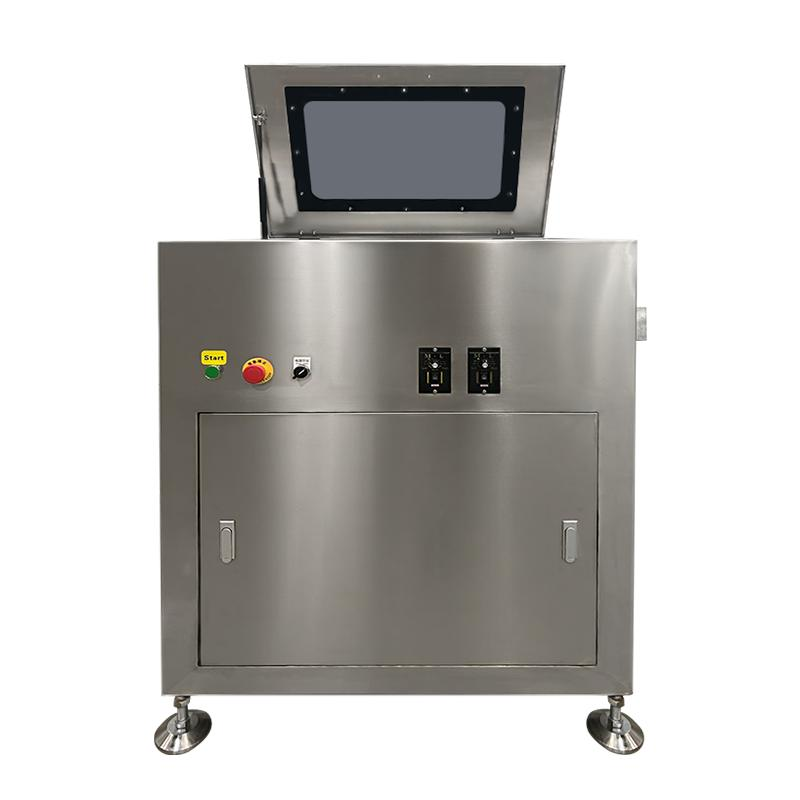
The plastic bottle unpacking machine is an indispensable core automated device in modern packaging production lines, with its importance evident in multiple critical aspects. This equipment automates the processing of randomly stacked plastic bottles, significantly enhancing production efficiency by quickly and accurately separating and orienting the bottles into a structured arrangement. This ensures a continuous and stable supply for subsequent filling, capping, and labeling processes, thereby eliminating production bottlenecks caused by manual operations and enabling the entire production line to operate at maximum capacity.
In terms of economic benefits, while the plastic bottle unpacking machine requires initial investment, it significantly reduces long-term operational costs. By reducing reliance on manual labor in the production line, it effectively saves on labor costs while avoiding production interruptions and equipment downtime losses caused by human fatigue or operational errors. This high-efficiency, stable operation ensures the maximization of return on investment.
In terms of quality and hygiene control, the equipment significantly reduces the risk of contamination caused by manual contact with products through automated operations. It handles containers using gentle mechanical methods to avoid scratches and damage, making it particularly suitable for industries with strict hygiene standards, such as food, pharmaceuticals, and cosmetics, thereby effectively safeguarding product quality and brand reputation.
Additionally, the plastic bottle unpacking machine significantly improves workplace safety and ergonomics. It frees employees from repetitive, high-intensity labor, reducing the risk of muscle strain and workplace injuries. This not only creates a safer work environment but also enables employees to transition to more technically demanding and higher-value roles.
Ultimately, the plastic bottle unpacking machine, with its high reliability and scalability, has become a critical technological asset supporting corporate sustainable development. It can adapt to prolonged continuous operation and adjust or upgrade according to changes in production requirements. It is not only a core tool for production automation but also an important strategic asset for enterprises to enhance competitiveness and achieve scalable development.
20
May
20
May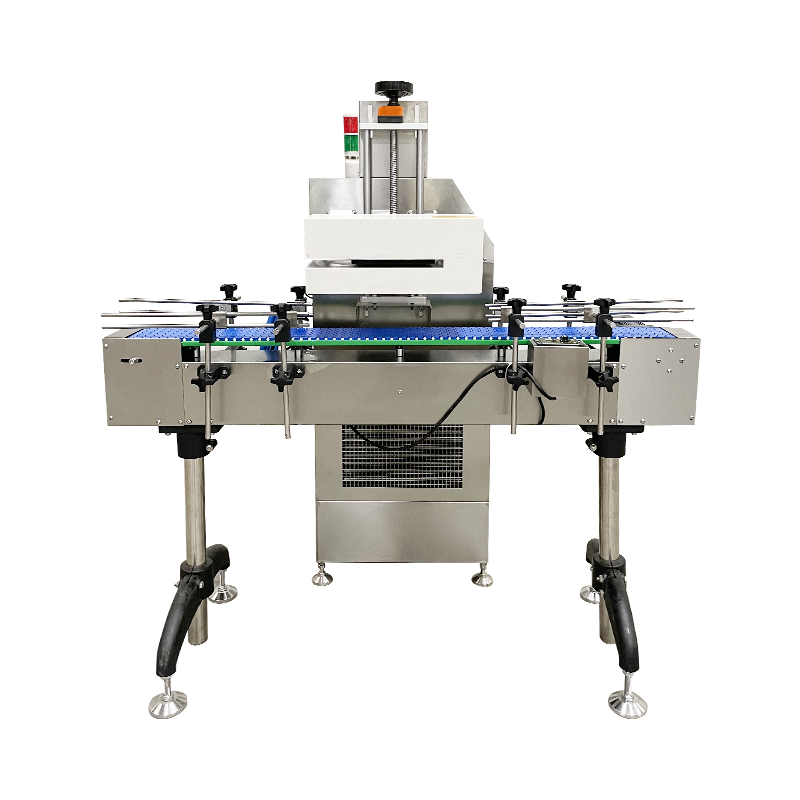
20
May
20
May
"We were constantly dealing with bottlenecks and jams at the start of our line. Since installing this machine, the flow is seamless. It just works, shift after shift. The reliability is incredible and it's completely eliminated the manual sorting we used to have to do."

"We run multiple SKUs with different bottle sizes, so changeover time is critical. The tool-less adjustment on this model is the real deal. What used to take us an hour now takes minutes. Our downtime has plummeted, and our team finds it very intuitive to operate."