EN
EN


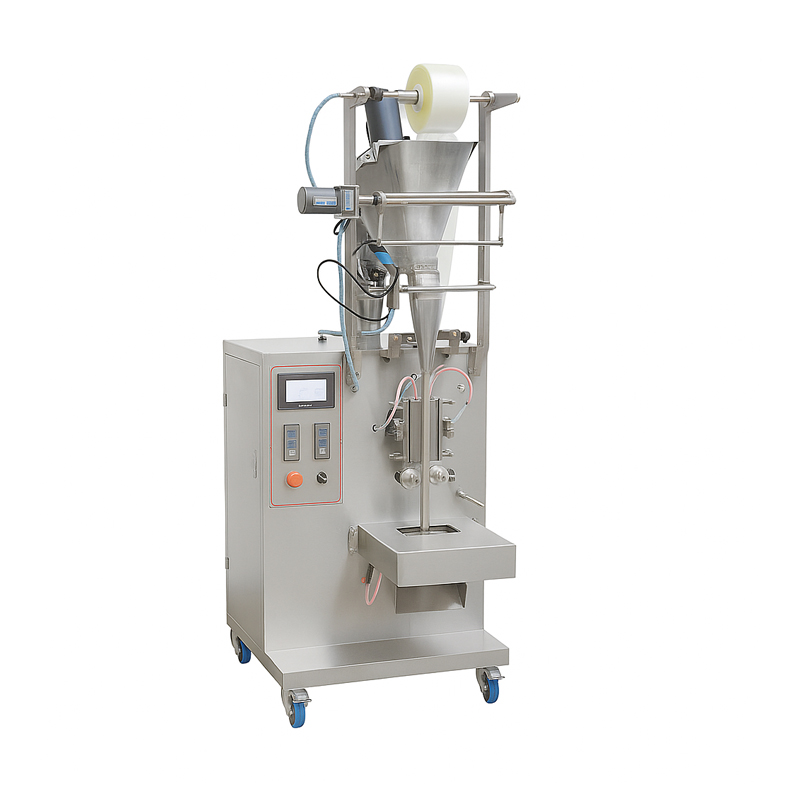
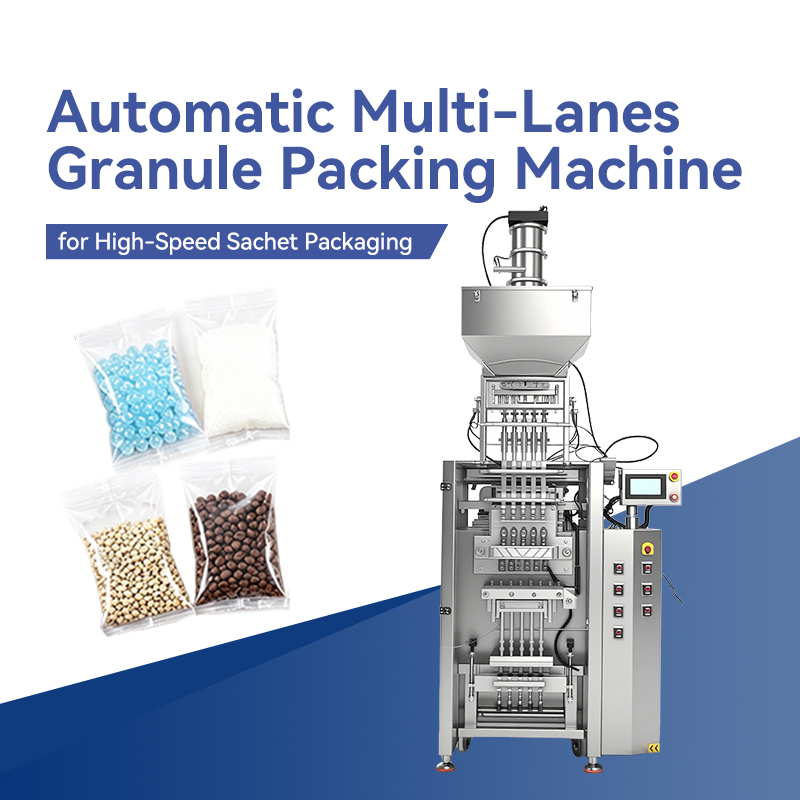
Pharmaceutical packaging machinery is far from ordinary automated equipment; it plays a critical role in the pharmaceutical industry, directly impacting patient safety and regulatory compliance. This equipment serves as a pivotal link where product integrity, patient safety, and global regulatory compliance requirements converge. Its primary significance lies in ensuring patient safety and drug efficacy: precision machinery employs aseptic filling and sealing technology to effectively prevent microbial contamination of sterile products such as injectables and eye drops; high-precision metering systems ensure that each ampoule, blister pack, or pouch contains an accurate dose, directly impacting drug efficacy and safety; simultaneously, modern equipment integrates tamper-proof packaging features (such as breakable caps and sensor seals) to provide consumers with tangible safety assurances.
In terms of regulatory compliance, pharmaceutical packaging machinery bears the responsibility of meeting stringent requirements such as cGMP, FDA, and EU regulations. The equipment is made of 316L stainless steel, equipped with an online cleaning (CIP) system, and generates complete audit trail records, providing a solid foundation for pharmaceutical companies to pass regulatory audits. In response to global pharmaceutical serialization tracking requirements (such as the US DSCSA and EU FMD), modern packaging machinery also integrates unique identification systems, visual inspection, and data management functions to effectively combat counterfeit drugs and enable end-to-end supply chain traceability.
From a commercial operations perspective, such equipment directly impacts brand reputation and economic benefits. Automated visual inspection systems monitor label accuracy, product placement, and packaging integrity in real time, preventing defective products from entering the market and avoiding massive recall losses and brand reputation damage caused by packaging errors. Additionally, the equipment significantly reduces raw material waste and improves operational efficiency through precise metering and stable operation. As production capacity demands grow, highly automated packaging lines not only significantly increase output speed and reduce labor costs but also enable pharmaceutical companies to flexibly adapt to market changes and production line adjustments by quickly switching between different product specifications.
In summary, pharmaceutical packaging machinery is not only a production tool but also a crucial foundation for ensuring public health, meeting regulatory requirements, and achieving commercial value, transforming effective drug components into safe, reliable, and compliant final products. Selecting the appropriate pharmaceutical packaging solution has become one of the most important strategic decisions for pharmaceutical companies.
20
May
20
May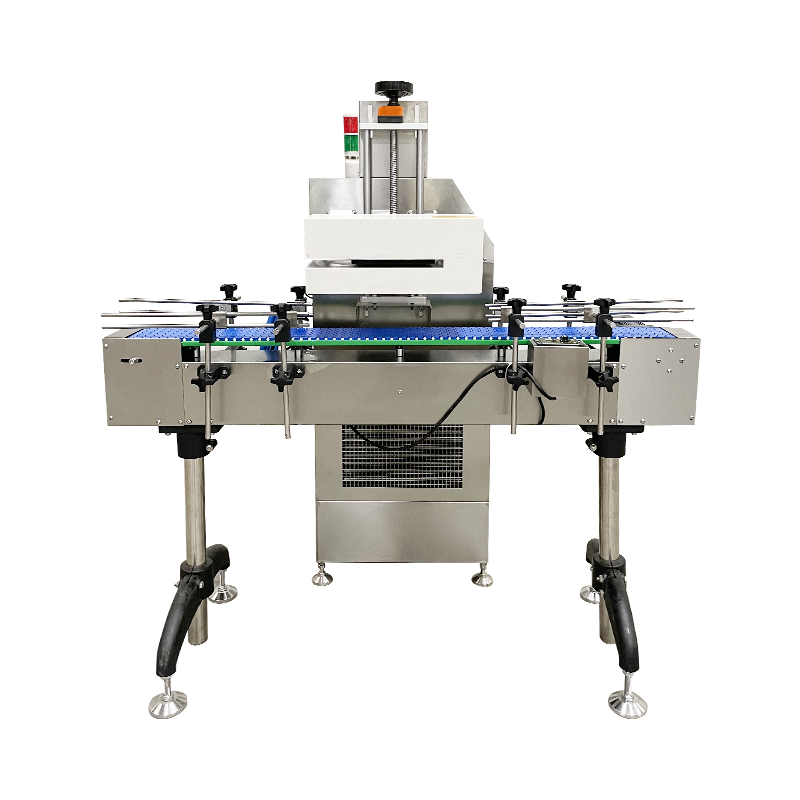
20
May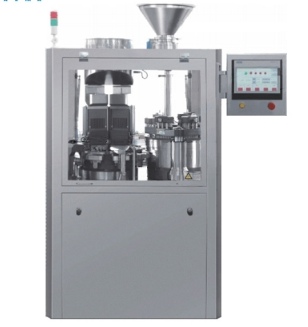
20
May
"Implementing end-to-end serialization for the EU market was a daunting project. This team didn't just sell us packaging; they provided a full turnkey solution and held our hand through the entire process. Their technical expertise saved us months of headaches and potential compliance risks. The integration was seamless."

"In our business, any delay in packaging can halt the entire production line. We've been running a just-in-time model with this supplier for 18 months, and they have not missed a single delivery window. That reliability is worth its weight in gold and has drastically improved our operational efficiency."