EN
EN


The Application Prospects and Future Outlook of Pharmaceutical Capsule Filling Machines
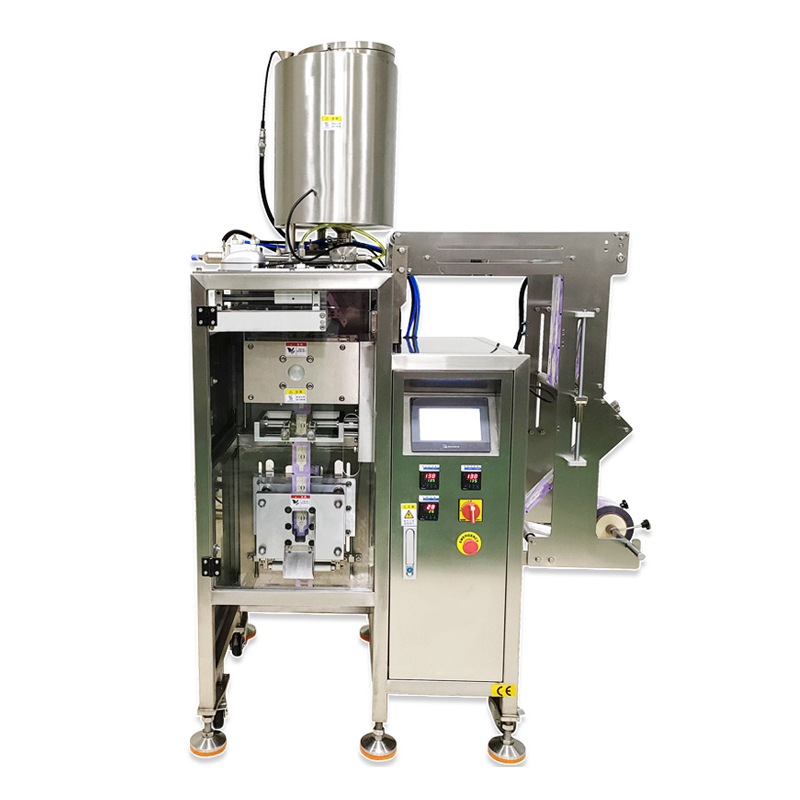
The application of pharmaceutical capsule filling machines has far surpassed the scope of traditional large-scale pharmaceutical manufacturing, driving rapid expansion and innovation in global markets. The precision, efficiency, and scalability offered by modern filling machines have opened up new possibilities for businesses of all sizes, with future development trends pointing toward higher levels of automation, personalization, and accessibility.
In core application areas, the pharmaceutical industry remains the key market. The growing demand for generic drugs, coupled with strict requirements for compliance with Good Manufacturing Practices (GMP), has made advanced fully automatic capsule filling machines indispensable equipment for large-scale production of antibiotics, supplements, and over-the-counter (OTC) drugs, ensuring the precision and accuracy of every capsule. One of the fastest-growing sectors is the nutritional supplements and dietary supplements industry. As consumers increasingly prioritize health, there has been a surge in demand for vitamins, probiotics, herbal extracts, and specialized supplements. Capsule filling machines enable brands to rapidly scale up production, ensure consistent dosage in each capsule, and maintain the purity of sensitive ingredients.
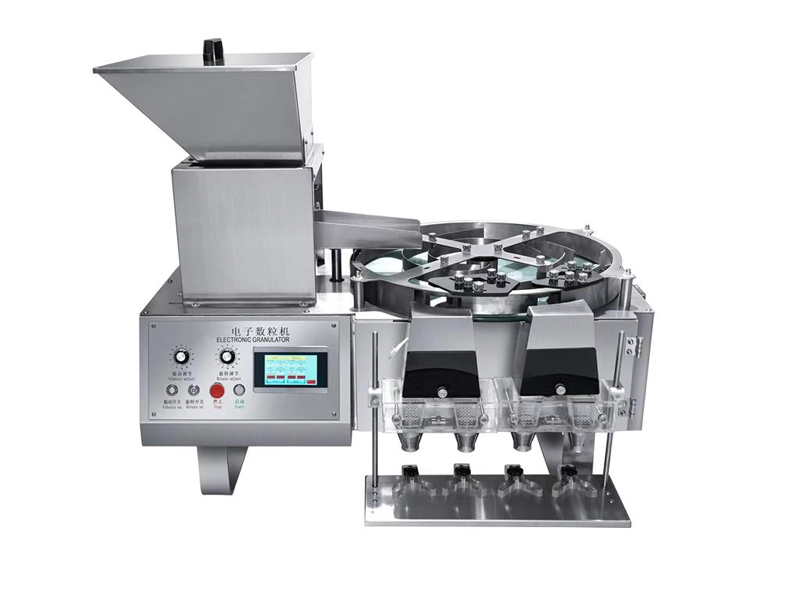
Additionally, in compounding pharmacies, semi-automatic capsule filling machines are crucial for customizing medications for patients with special needs, such as allergy formulations, hormone replacement therapy, or pediatric dosages. They offer flexibility for small-batch production while ensuring precision unmatched by manual dispensing, thereby enhancing patient safety and treatment efficacy. In the veterinary pharmaceutical field, pet care and livestock farming require precise formulation of medications and supplements tailored to different animal sizes and species. Capsule filling machines can efficiently produce various veterinary pharmaceutical products. The research and development (R&D) and clinical trial sectors also benefit, as laboratories require small-batch production to test new drug formulations. Desktop semi-automatic machines are perfectly suited for this scenario, enabling researchers to produce consistent capsules that meet trial requirements without significant capital investment.
20
May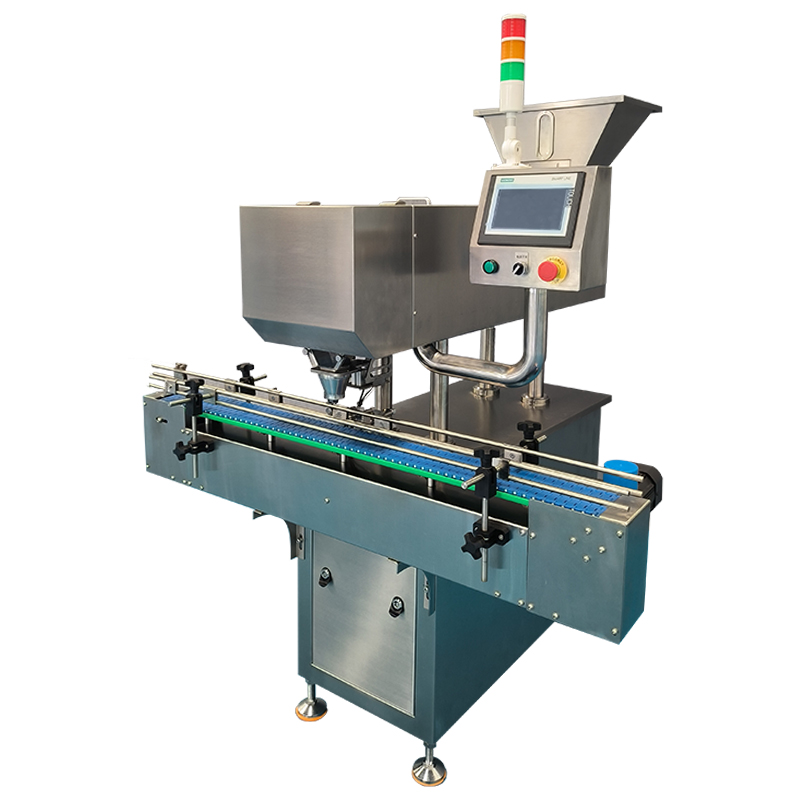
20
May
20
May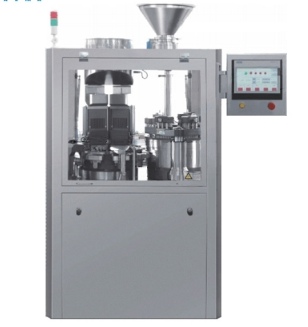
20
May
“The accuracy far exceeded our expectations and completely solved the dosage stability issues we had with small-batch formulations.”

“It performs excellently in handling highly active powders, has a complete verification process, and meets the strict requirements of our cGMP production line.”