EN
EN


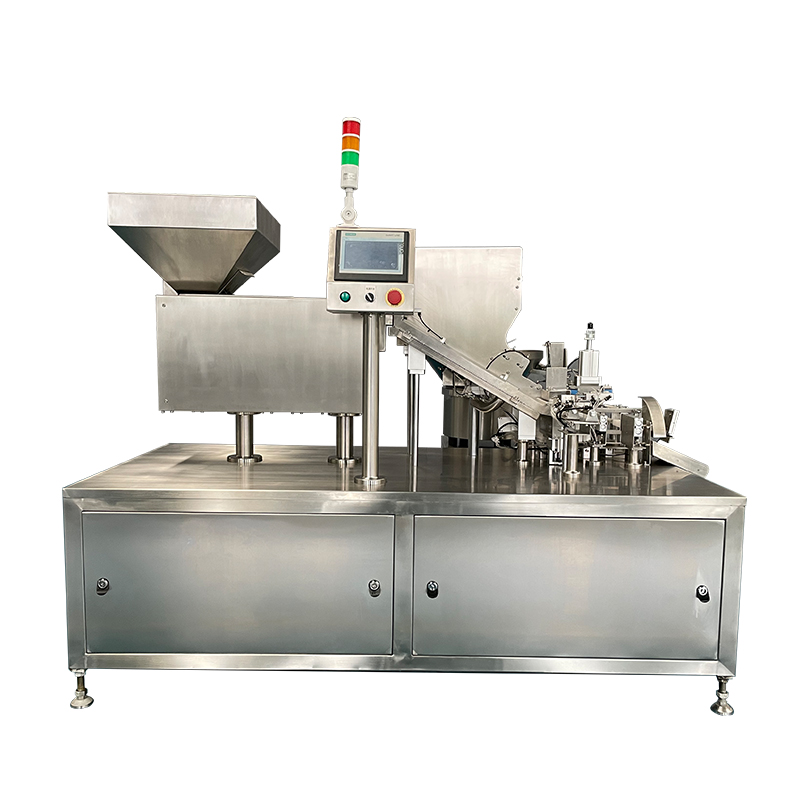
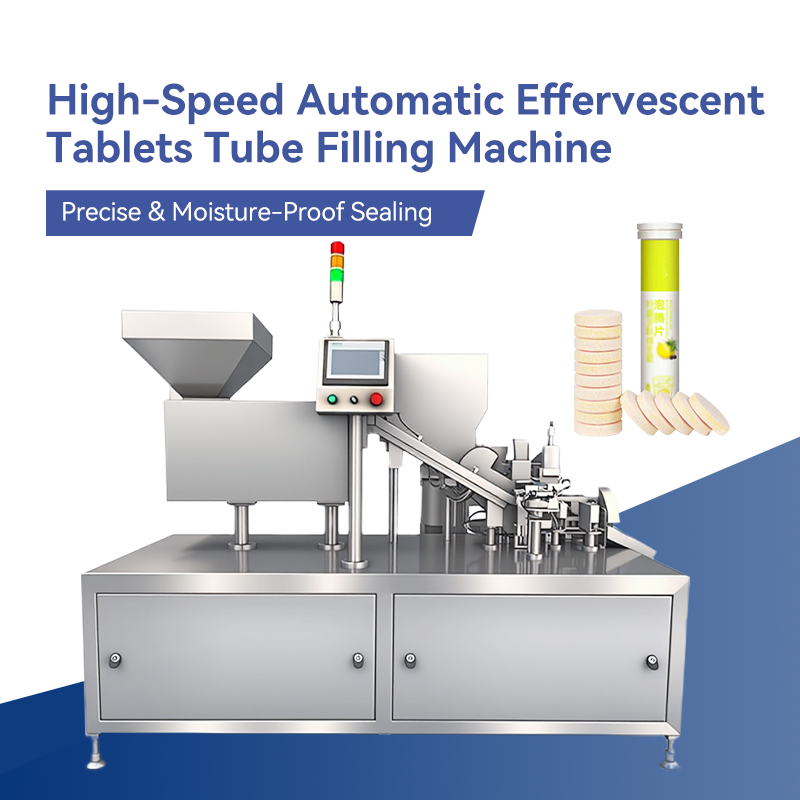
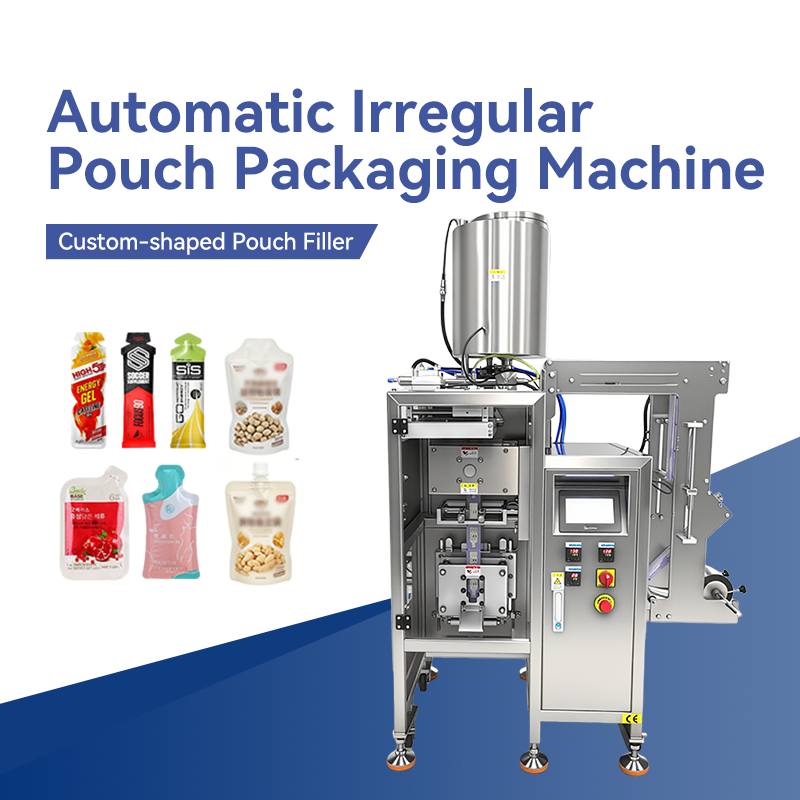
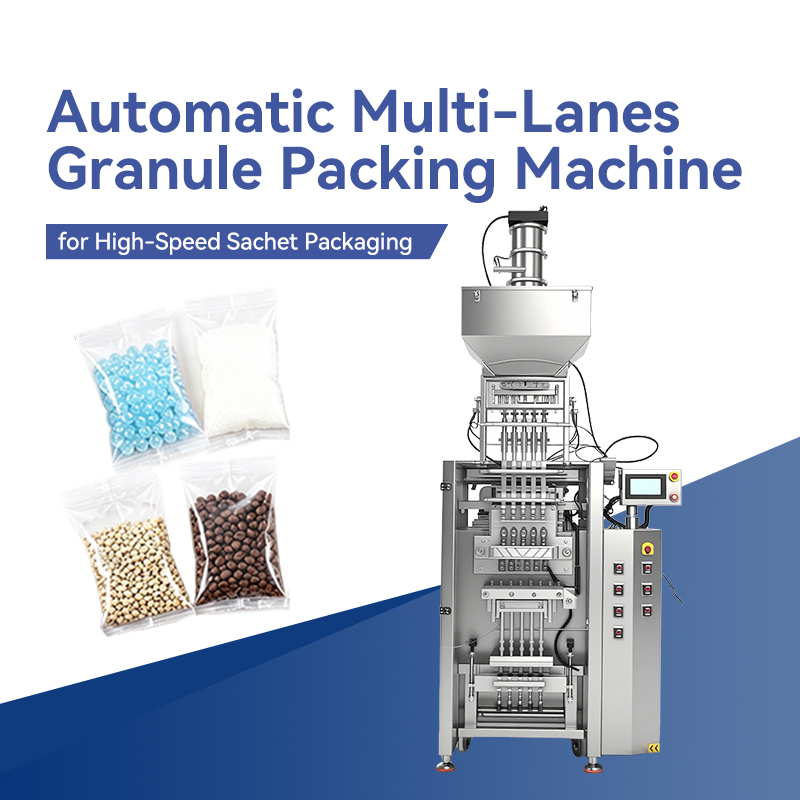
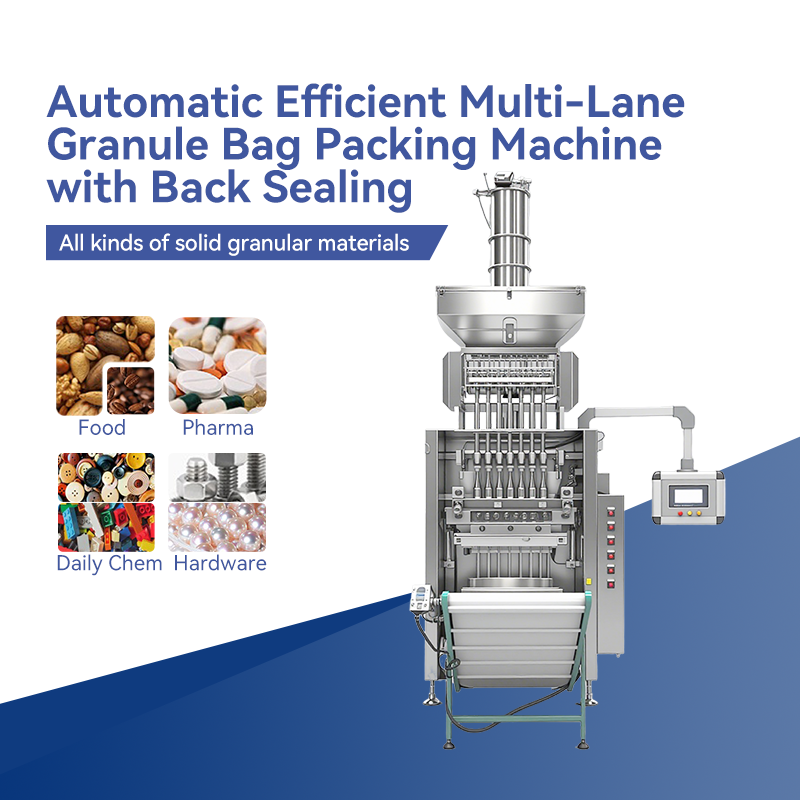
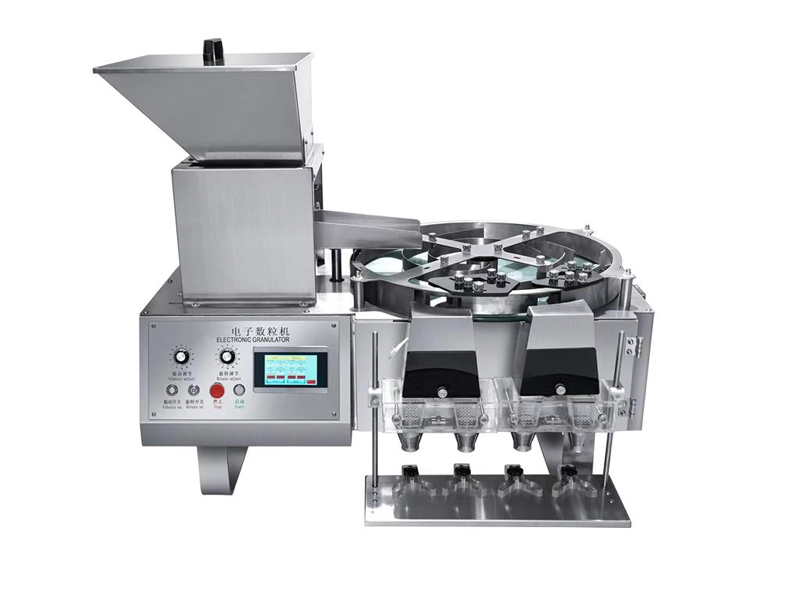
Modern pharmaceutical filling machines have far surpassed their initial role as simple automated devices, evolving into the core and foundation of the entire pharmaceutical production process. Their fundamental importance lies in their role as the ultimate guardians of drug dosage accuracy. Through advanced pumps, screws, and loss-in-weight feedback systems, they can control filling accuracy to within ±0.5%, thereby completely eliminating the risk of errors caused by manual operations and fundamentally ensuring patient medication safety and efficacy. At the same time, these highly precise devices are also critical for pharmaceutical companies to meet stringent regulatory requirements (such as GMP standards). Their built-in data integrity recording, complete batch traceability functions, and inherent support for validation processes provide a solid foundation for compliance.
From an operational perspective, pharmaceutical filling machines significantly enhance efficiency and cost-effectiveness by enabling high-speed automated production. They can process hundreds or even thousands of units per minute, maximizing output, while also significantly reducing waste of expensive active pharmaceutical ingredients (APIs) through precise filling and lowering long-term labor costs. For sterile products, they can be integrated with isolators or RABS (restricted access barrier systems) to create a controlled sterile environment, protecting the product from contamination and operators from exposure to potent drugs. Ultimately, the scalability of pharmaceutical filling machines makes them a strategic asset, enabling seamless transition and growth from pilot batches to large-scale production, thereby safely, accurately, and reliably delivering the promise of pharmaceutical innovation to every patient who relies on it.
20
May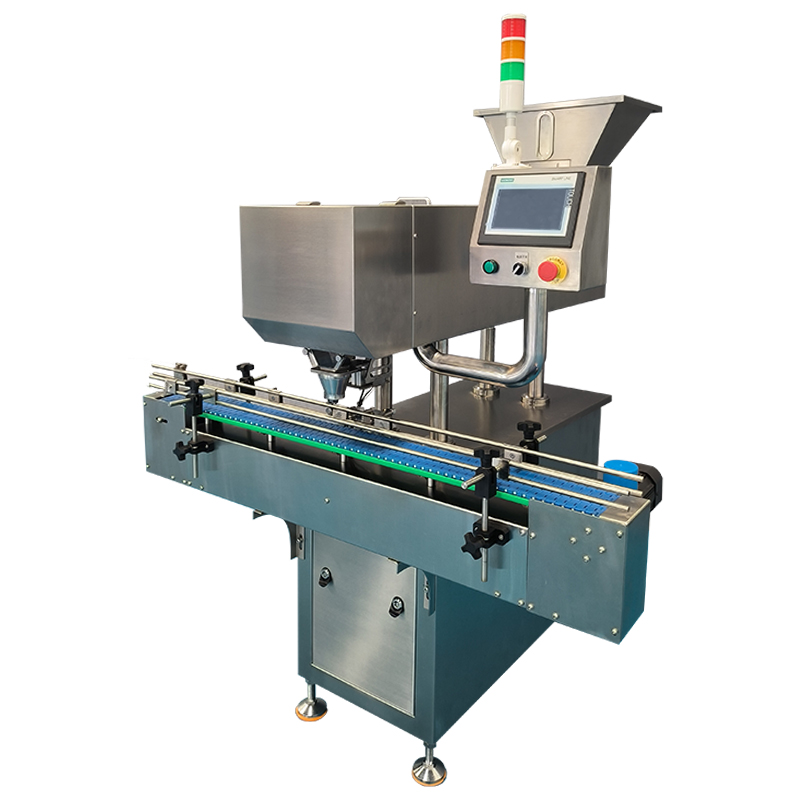
20
May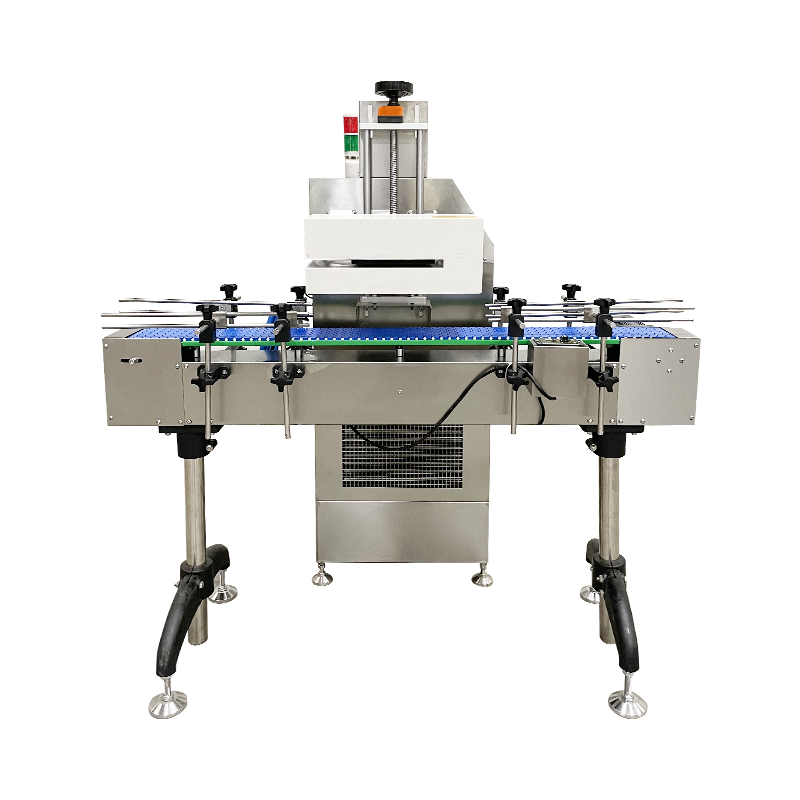
20
May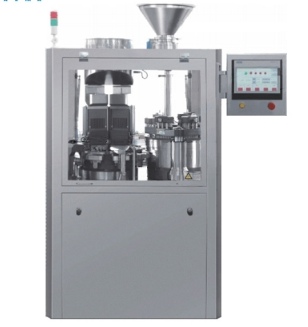
20
May
“The accuracy far exceeded our expectations and completely solved the dosage stability issues we had with small-batch formulations.”

“It performs excellently in handling highly active powders, has a complete verification process, and meets the strict requirements of our cGMP production line.”