EN


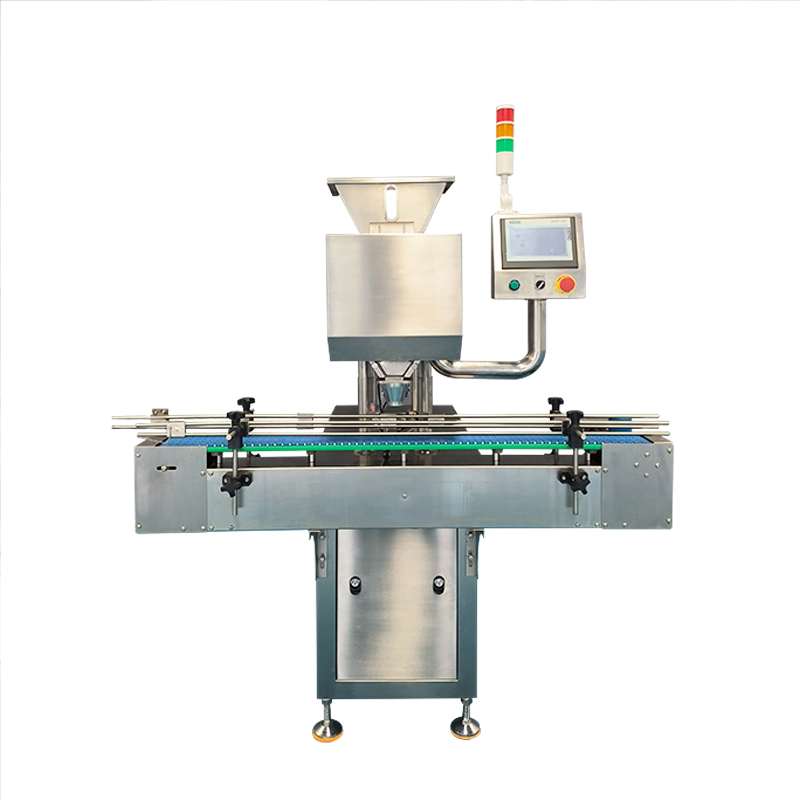
The application prospects for electronic counters are expanding rapidly, with their core value—replacing error-prone manual counting with flawless, high-speed automation—finding revolutionary new uses across numerous industries. Beyond traditional currency and pharmaceutical counting applications, the future potential of this technology is immense, driven by the market's widespread demand for precision, efficiency, and data-driven decision-making.
In modern retail, electronic counters are being integrated into smart shelves and point-of-sale (POS) systems, enabling real-time tracking of goods for automatic restocking and providing valuable inventory turnover data, transforming inventory management from a periodic task into a continuous automated process. In the warehousing and logistics sector, next-generation devices are becoming nodes in the Internet of Things (IoT) ecosystem, counting components, sorting them by weight or size, and instantly updating central warehouse management systems (WMS) and enterprise resource planning (ERP) software, thereby creating a perfectly synchronized supply chain with zero data latency. Additionally, in technical hardware, data centers, and research laboratories, electronic counters have become essential for managing vast quantities of small components (such as server parts, network cables, laboratory samples, etc.) and ensuring the integrity of research data.
The most transformative potential lies in the integration with artificial intelligence (AI) and machine learning. Future systems will not only count but also perform intelligent recognition, such as distinguishing screw types, detecting pharmaceutical defects, or sorting recycled materials. Meanwhile, in e-commerce fulfillment centers, they are used for rapid product sorting to ensure order accuracy and meet the demands of ultra-fast delivery. As such, electronic counters have evolved from simple counting tools into critical data entry points for the digital transformation of physical operations. Their application prospects are directly linked to the growth of automation, the Internet of Things (IoT), and AI across industries. Investing in this technology is not only about saving time today but also preparing for the efficient, data-driven, and automated future of tomorrow.
20
May
20
May
20
May
20
May
“In the past, manually counting goods was slow and prone to errors, but now it can be done in a few minutes with extremely high accuracy.”

“It's very easy to operate and can be learned quickly, saving us a lot of manpower and time costs.”