EN


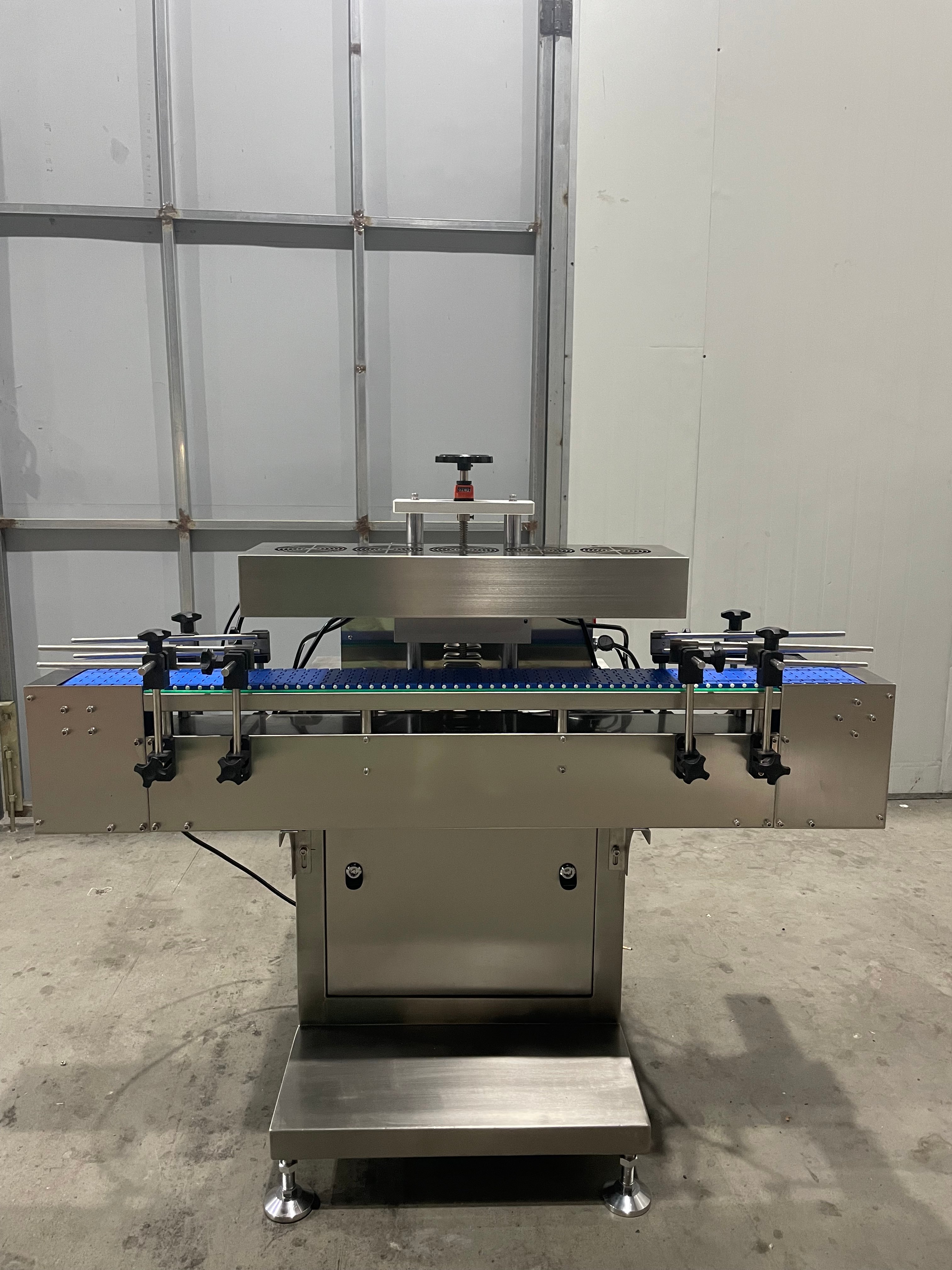
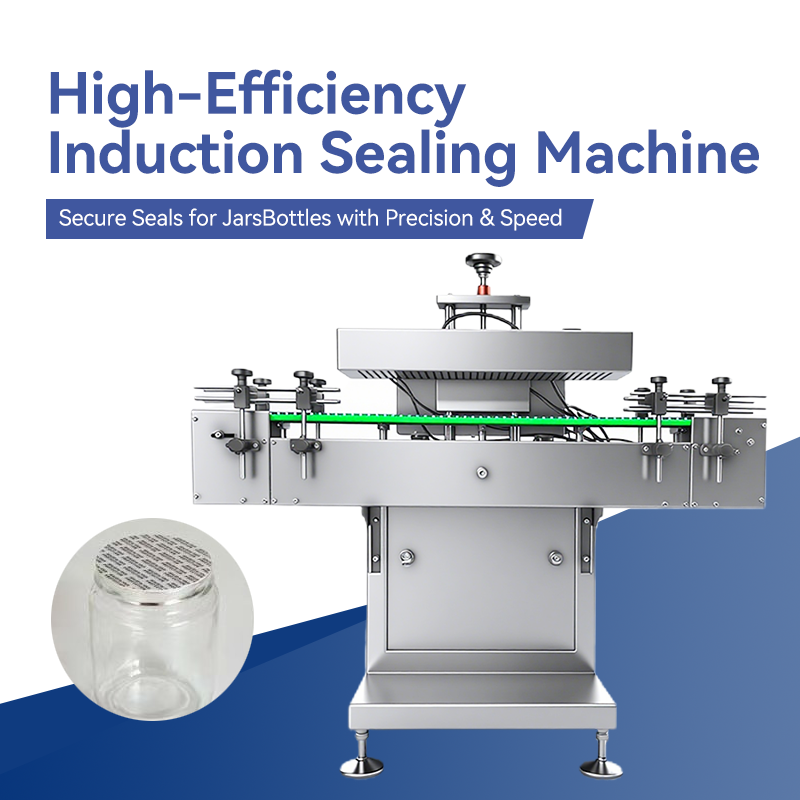
In today's highly competitive market environment, packaging is no longer merely the final step in product production; it has become a crucial commitment from brands regarding quality, safety, and reliability. Continuous induction sealing machines transcend their basic function of sealing containers, evolving into a strategic asset that directly impacts a company's profitability, brand reputation, and operational scalability. Their significance is evident across multiple dimensions, effectively addressing the core challenges of modern manufacturing and logistics industries.
Firstly, continuous induction sealing machines bring revolutionary changes to production lines through their exceptional operational efficiency and scalability. As a continuously operating system, it can be directly integrated into filling and capping assembly lines, continuously processing containers on conveyor belts to eliminate production bottlenecks and achieve stable high-speed sealing (typically hundreds of units per minute), making it the only feasible solution for large-scale production demands. It is the core driver of scalable production, enabling businesses to grow continuously without significantly increasing manpower or downtime.
Secondly, this technology uses induction heating to fuse the foil gasket inside the cap with the container opening, creating a highly airtight seal. This process is critical for ensuring product quality: it effectively blocks oxygen and moisture, significantly extending the shelf life of sensitive products such as food, pharmaceuticals, and chemicals, reducing waste and safeguarding profits; simultaneously, its reliable sealing performance prevents costly leaks during transportation, enhancing the end-user experience; Furthermore, the tamper-proof sealing labels provided are a critical safeguard for consumer safety and a mandatory requirement across many industries. This feature directly builds consumer trust and reduces associated liability risks.
Furthermore, modern induction sealing technology enables companies to use lighter plastic containers and thinner foil pad materials while maintaining seal quality. This process achieves perfect sealing with minimal material usage, helping to reduce packaging waste and lower material costs, thereby supporting corporate sustainability goals while improving profit margins.
The significance of this equipment also lies in its broad industry applicability. It is not limited to specific industries but serves as a foundational support device across multiple sectors, including food and beverages (preventing spoilage of dairy products, juices, sauces, and dry goods), pharmaceuticals and health supplements (ensuring sterility, stability of active ingredients, and compliance with stringent regulations such as FDA and GMP), chemicals and household products (preventing evaporation, leakage, and contamination of harmful or high-value liquids), and cosmetics and personal care products (protecting the efficacy of products like lotions and serums susceptible to oxidation).
In summary, investing in a continuous induction sealing machine is not merely a purchase of equipment but a strategic investment in brand protection, operational efficiency, and future development. For brands that prioritize quality, safety, and reliability throughout the entire process from production line to end-user, it has become an indispensable decisive solution.
20
May
20
May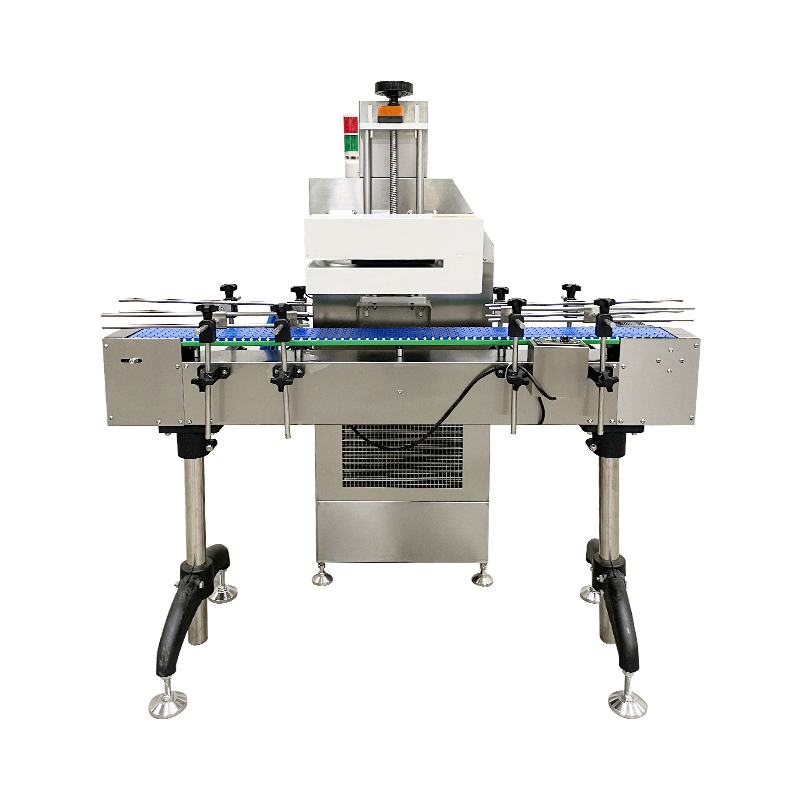
20
May
20
May
"Stopped our leaking issues completely. Makes our products look professional and builds customer trust instantly."

"Runs non-stop on our production line. Seals are consistent and have drastically reduced our product waste."