EN


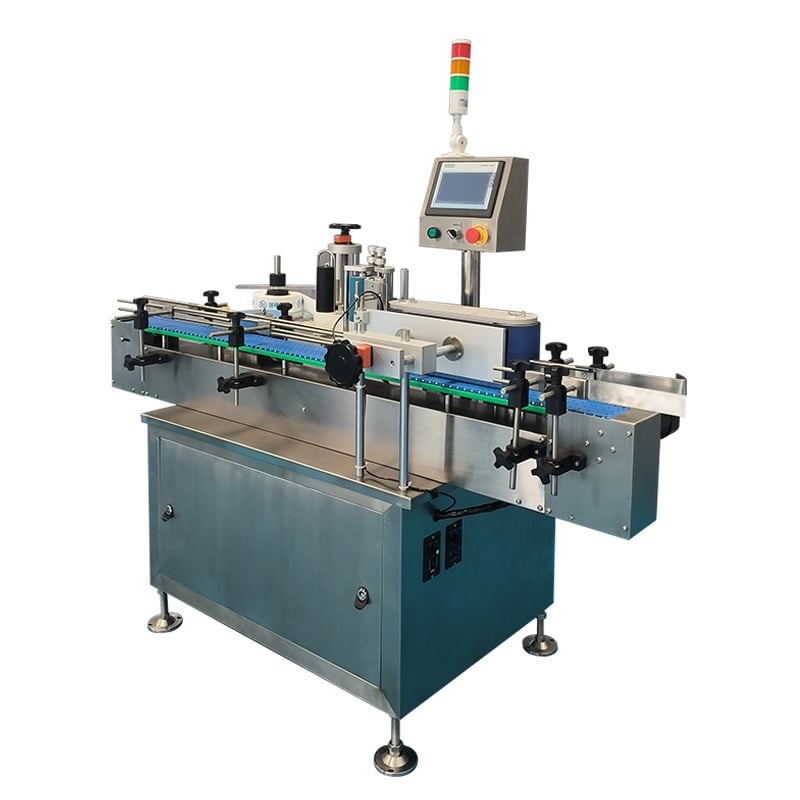
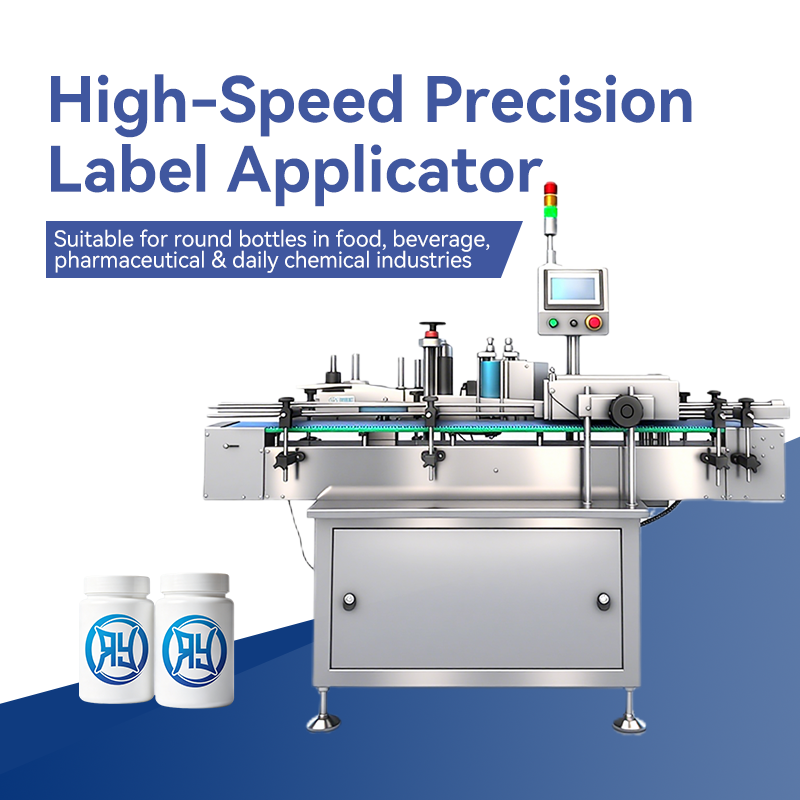
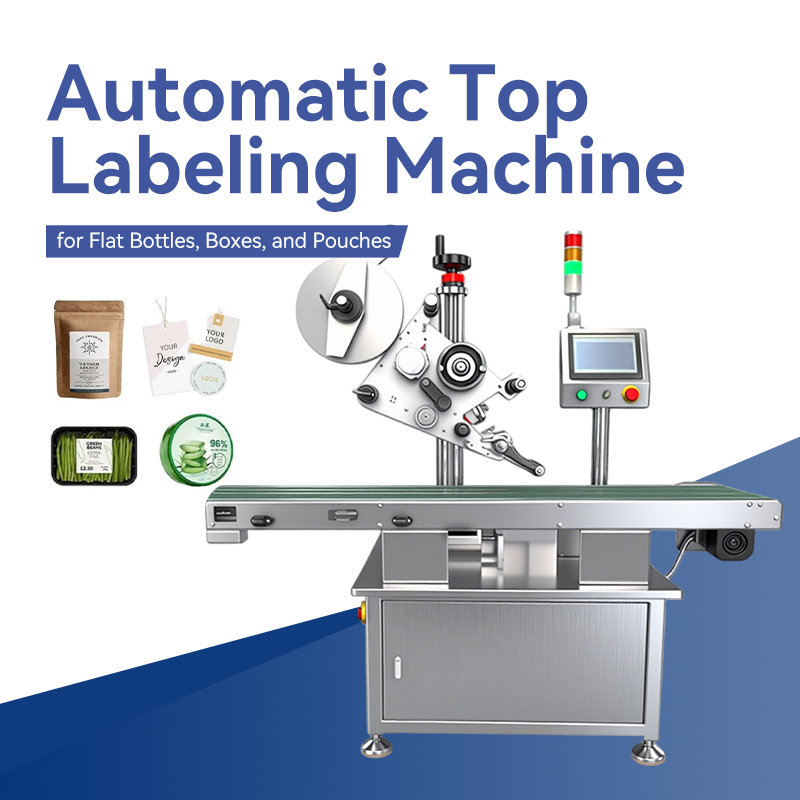
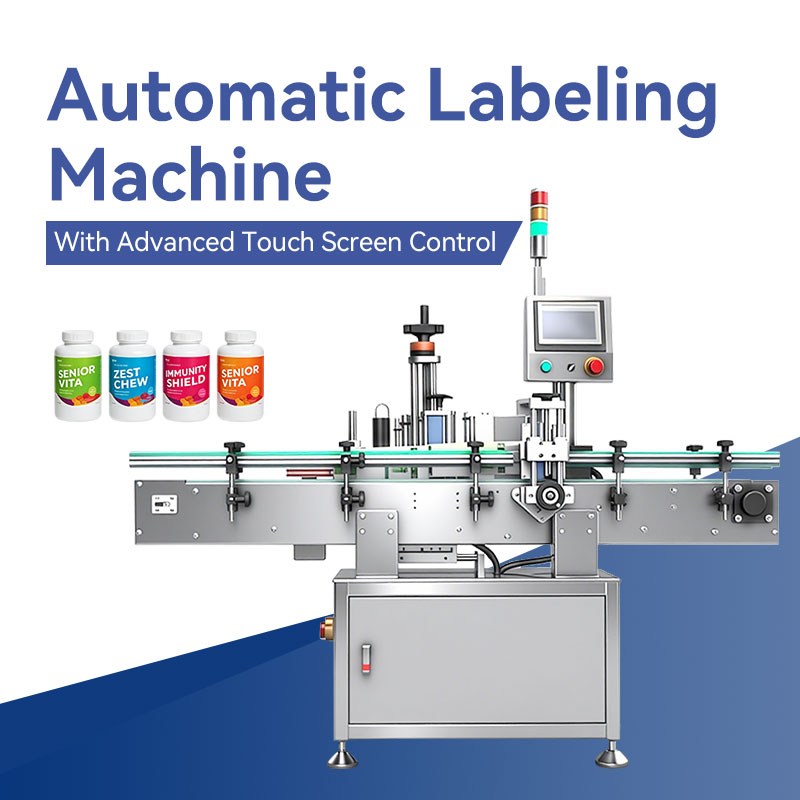
The application prospects for automatic bottle labeling machines are exceptionally broad, spanning virtually every industry that packages products in bottles, cans, or containers. Their core value lies in achieving highly efficient and precise labeling operations through automation, thereby significantly enhancing production line efficiency, accuracy, and brand consistency.
In the beverage industry, it serves as indispensable core equipment. Whether handling high-speed circular labeling for carbonated soft drinks and mineral water bottles, or meeting the precise positioning demands of craft beers and spirits for irregular bottle shapes and seasonal short-run custom labels, it excels. Simultaneously, it overcomes the challenge of bottle condensation from refrigerated or pasteurized lines for juices and dairy products, ensuring labels adhere firmly.
This technology is equally deeply integrated into the food and condiments sector, providing reliable labeling solutions for glass jars and plastic containers holding products like jams, sauces, cooking oils, and vinegars. It adapts to varying container diameters and heights, even enabling rapid switching between plastic and glass containers on the same production line.
In the cosmetics and personal care industry, automatic labeling machines transcend basic functionality to directly impact a brand's premium image. They precisely handle luxurious high-gloss sheet masks and scratch-prone specialty material labels, perfectly conforming to irregular containers like oval serum bottles and square perfume bottles. This ensures flawless labeling for every high-value, small-batch product.
For the pharmaceutical and chemical sectors, labelers are critical for compliance and safety. They must meet GMP (Good Manufacturing Practice) standards, delivering absolute precision and traceability to prevent costly errors. Labels must remain intact and legible across diverse environments like laboratories and warehouses. For chemicals, clear labeling is a vital safety requirement.
Furthermore, in the home and industrial goods sector—including cleaning agents, lubricants, and agricultural chemicals—labeling machines must handle potentially oily or greasy surfaces on HDPE plastic bottles. They require exceptional adhesion to ensure labels remain secure during transportation and use, guaranteeing product information and safety warnings remain clearly visible.
20
May
20
May
20
May
20
May
“Efficiency has improved significantly, and the packaging looks much more professional.”

“Stable operation and high precision, the main equipment on the production line.”