EN


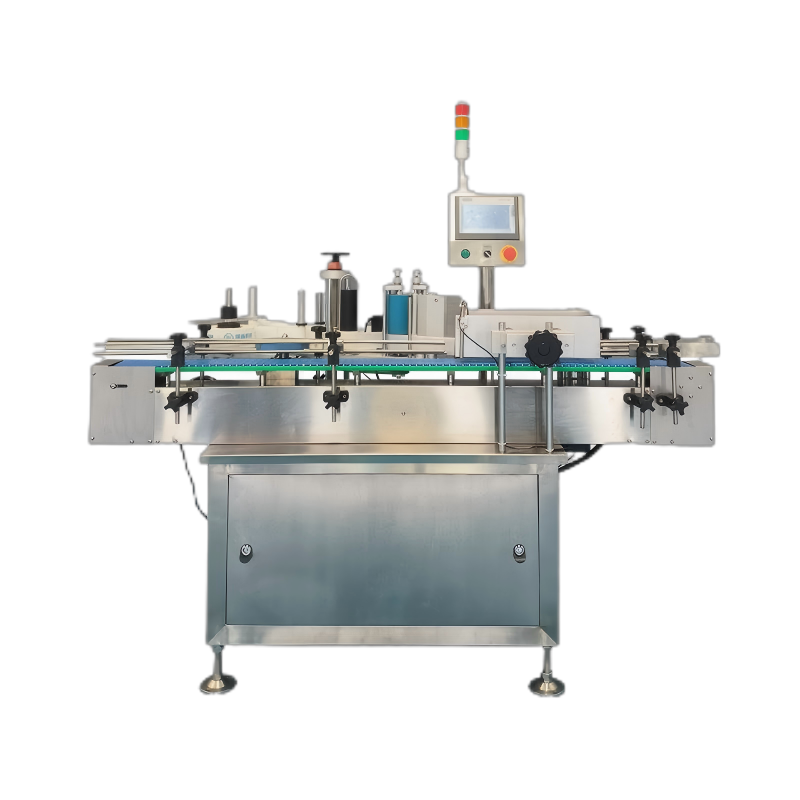
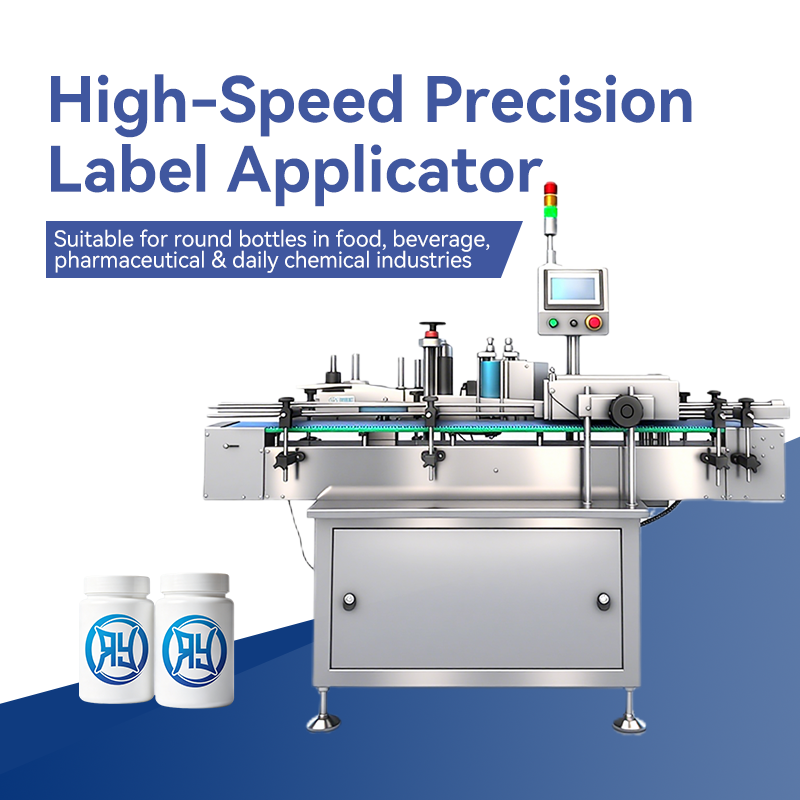
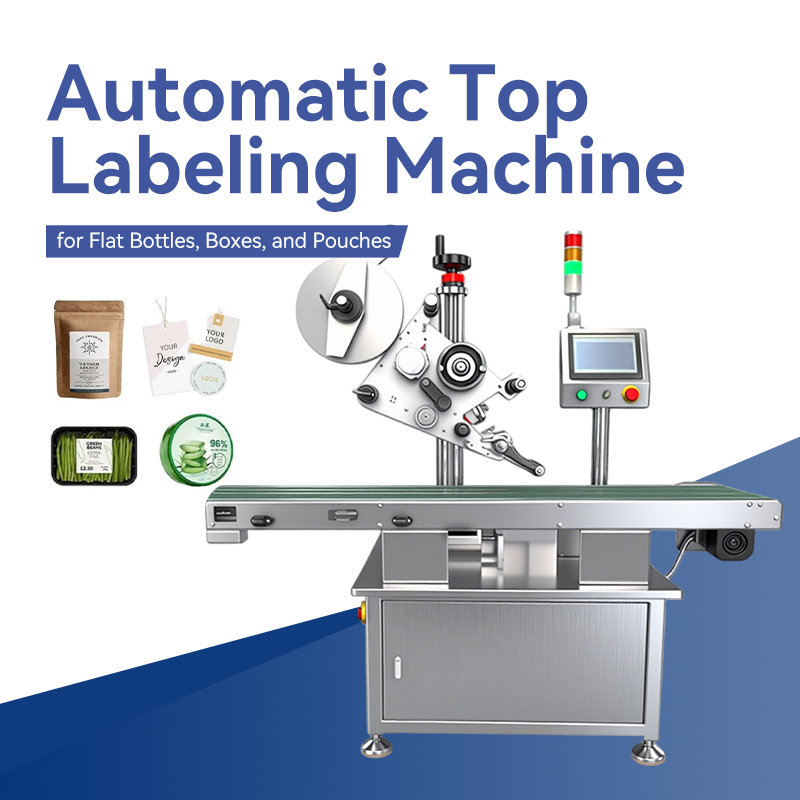
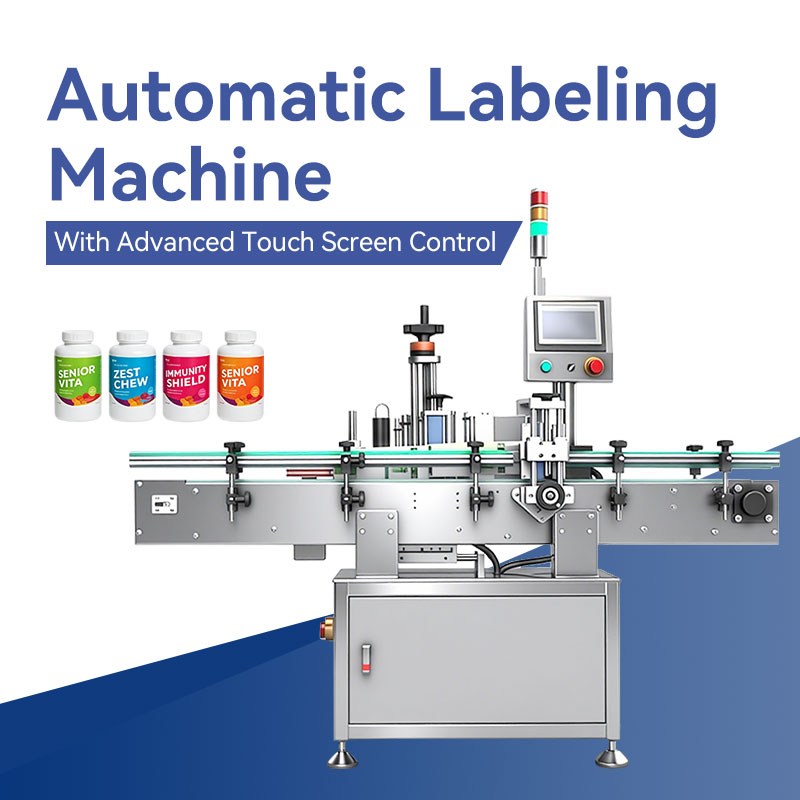
An automatic labeling machine is far from a simple piece of equipment; it represents a critical strategic investment on modern production lines, with its core value lying in completely resolving the numerous pain points associated with traditional manual labeling. Manual labeling is not only slow but also a root cause of efficiency bottlenecks, cost inefficiencies, and brand risks. The significance of this product manifests in four core aspects: First, it dramatically boosts production efficiency by accelerating labeling speeds from dozens to hundreds of items per minute. Capable of 24/7 continuous operation, it significantly reduces labor costs while freeing employees from repetitive tasks to focus on higher-value responsibilities. Second, its 99.9% application accuracy ensures flawless label placement, eliminating product waste, rework, and compliance risks caused by misaligned or crooked labels. This is crucial for industries with stringent regulations like food, pharmaceuticals, and cosmetics. Consistent labeling also elevates brand professionalism. Third, its outstanding versatility adapts to diverse product shapes—from flat boxes and round bottles to flexible pouches—by simply swapping application heads. This flexibility seamlessly supports product iterations and production line expansions. For these reasons, automatic labeling machines have become indispensable backbone equipment across multiple industries including food and beverage, pharmaceuticals and cosmetics, logistics and warehousing, and electronics manufacturing. They fundamentally ensure efficiency, precision, and reliability in packaging operations, serving as a key engine driving enterprises toward enhanced profitability and growth.
20
May
20
May
20
May
20
May
“Efficiency has improved significantly, and the packaging looks much more professional.”

“Stable operation and high precision, the main equipment on the production line.”