EN
EN


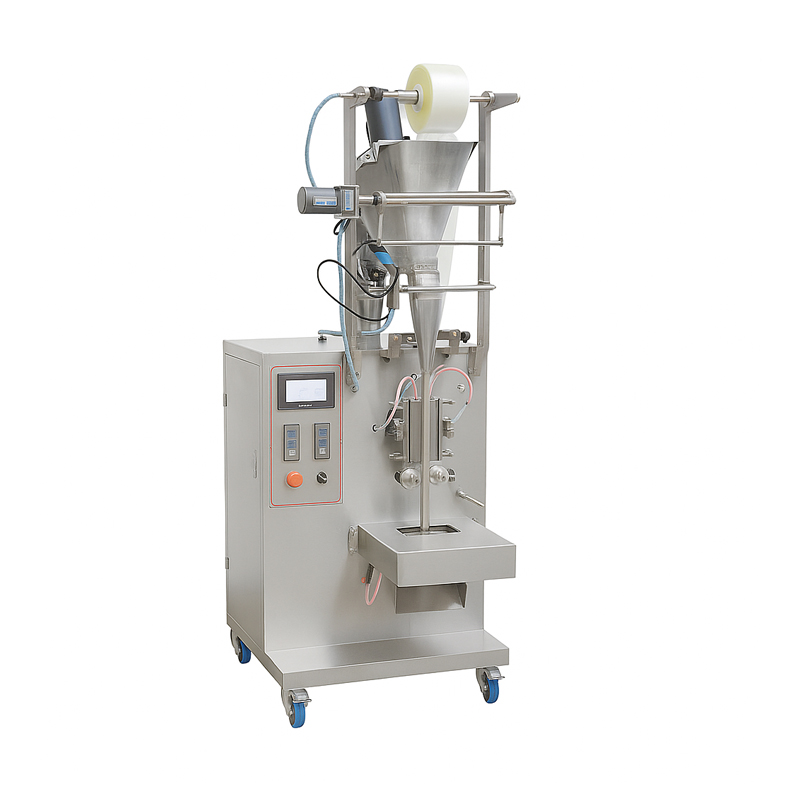
Automatic pouch sealing machines are indispensable key equipment in modern packaging operations. By providing the final critical sealing step, they effectively protect products, maintain quality, and build brand trust. The application of this technology is extremely broad, extending far beyond any single industry. Instead, it serves as a core pillar of efficiency and safety across multiple sectors. Whether ensuring food freshness or guaranteeing the safe transport of hazardous materials, the right sealing solution is crucial.
In the food and beverage industry, automatic pouch sealers create airtight, sealed environments that effectively block oxygen and moisture, significantly extending shelf life and preventing spoilage. Typical applications include packaging snack products (such as potato chips, nuts, and cookies) to maintain crispness, packaging frozen foods (such as vegetables, prepared meals, and ice cream) to ensure seals remain secure at low temperatures, and packaging liquid products (such as sauces, soups, and cooking oils) in stand-up pouches and spout pouches. Additionally, it is widely used for sealing dry goods (such as flour, sugar, coffee, and pet food) to effectively prevent moisture and insect infestation. In meat and cheese packaging, it is often combined with Modified Atmosphere Packaging (MAP) technology—first evacuating air and then injecting a gas mixture—to achieve optimal freshness preservation.
In pharmaceutical and medical applications, the core function of this equipment is to ensure product sterility, prevent contamination, and provide tamper-evident packaging for patient safety. Specific uses include pouch sealing for medical devices (e.g., sterile surgical instruments, gloves, syringes), packaging pharmaceuticals (e.g., unit-dose medications, herbal supplements, powdered drugs), and sealing diagnostic test kits. To meet stringent regulatory requirements like FDA and ISO standards, these machines typically feature cleanroom-compatible designs and provide detailed operational audit trails.
In the chemicals and industrial products sector, automated pouch sealers are used for safely encapsulating hazardous or sensitive materials, preventing leaks, and shielding contents from moisture and air exposure. They are common in agriculture (e.g., sealing bags for fertilizers, pesticides, and seeds), hardware and construction (e.g., packaging adhesives, sealants, and small hardware items), and specialized packaging for pool/spa chemicals (e.g., chlorine, bromine, and other water treatment chemicals) and industrial lubricants.
In the cosmetics and personal care industry, the primary function of the equipment is to maintain product efficacy (e.g., creams, serums), prevent evaporation, and provide aesthetically pleasing, reliable packaging. It is extensively used for producing single-use sample pouches (e.g., lotion, shampoo trial sizes), sealing foil and composite film pouches for premium products (e.g., face masks, skincare items), and sealing travel-sized products to ensure liquids and gels remain leak-proof during transit.
For e-commerce and retail, automated pouch sealers deliver professional, robust packaging solutions that protect goods during demanding shipping conditions, ensuring items arrive in pristine condition for an enhanced unboxing experience. Applications include apparel (sealing custom-printed shipping bags), subscription boxes (sealing individual items within boxes to heighten discovery and luxury), and dust/moisture protection for small parts and electronic components.
20
May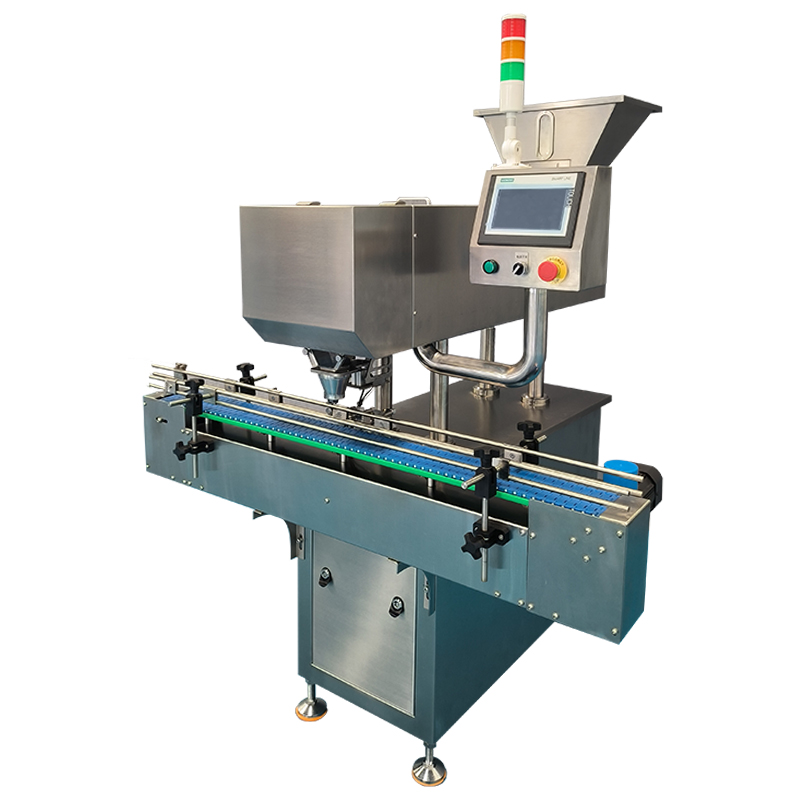
20
May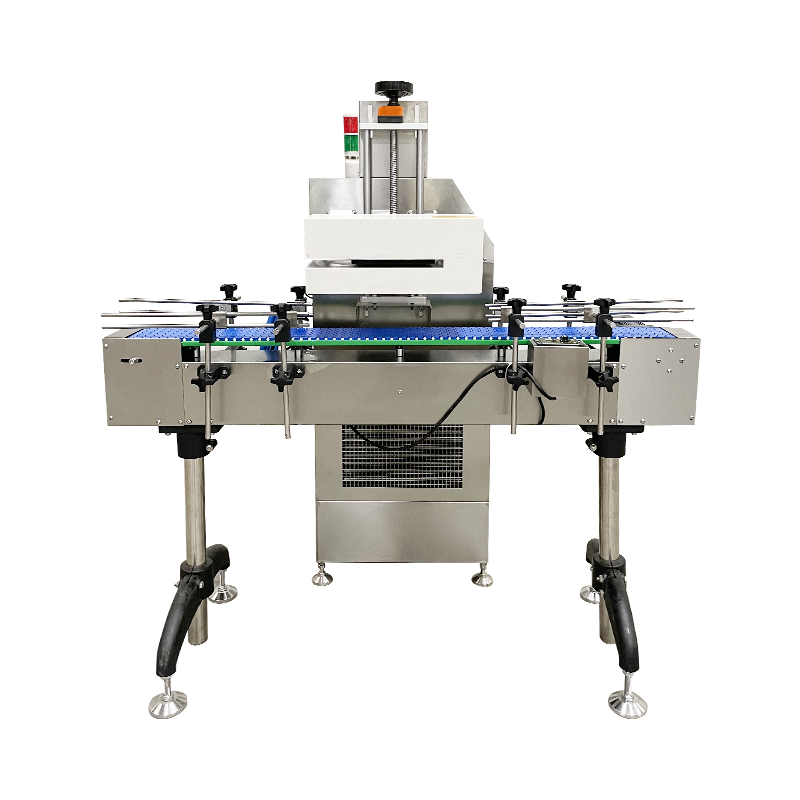
20
May
20
May
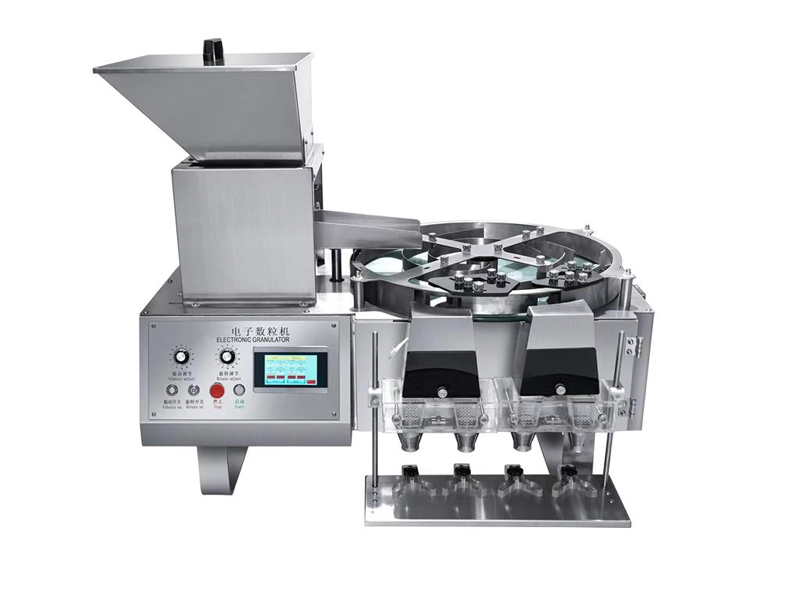
“Precise and efficient, ideal for small-batch production, with extremely convenient material changeovers.”

“The most reliable equipment on the production line, stable long-term operation, and easy employee training.”