EN


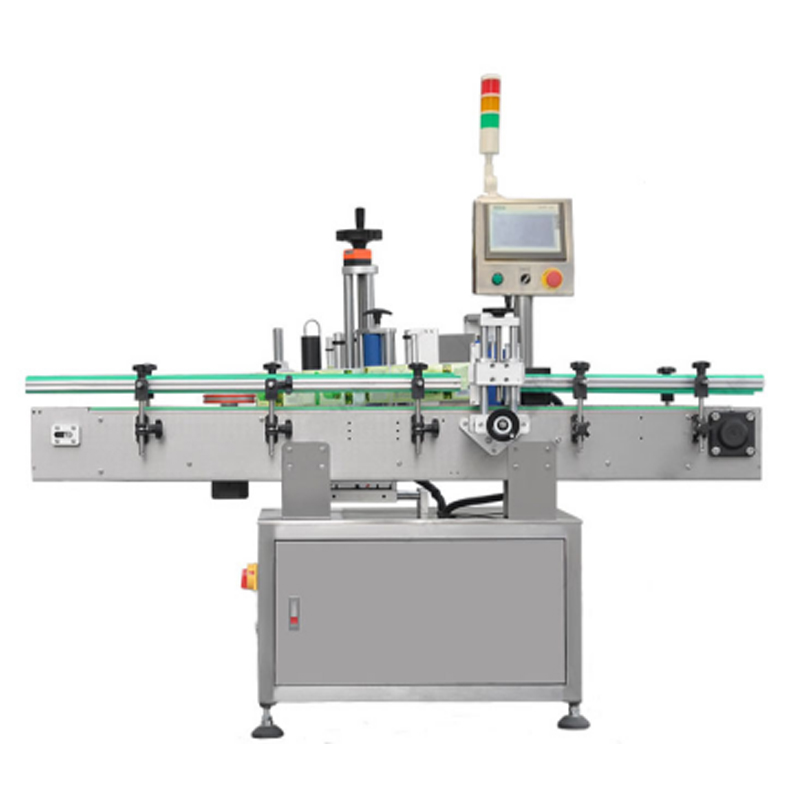
As a key piece of equipment in modern automated processes, automatic labeling machines offer broad and far-reaching application prospects across multiple core industries. In e-commerce and order fulfillment, seamless integration with warehouse management systems (WMS) and logistics software enables these machines to rapidly and accurately print and apply shipping labels, packing slips, and promotional inserts. This effectively addresses pain points such as slow manual processing, high error rates, and scalability challenges during peak seasons, empowering businesses to achieve “unmanned warehousing” and deliver orders with precision and efficiency.
In manufacturing and product identification, automatic labeling machines precisely affix labels to products of varying shapes and sizes—from bottles and cans to electronic components and cartons—ensuring accuracy and consistency in product identification, barcode labeling, and compliance markings. They not only help businesses meet GS1 standards for inventory barcode tracking but also automatically add ingredient lists, safety warnings, and brand labels, thereby enhancing product traceability and brand consistency.
The food and beverage industry enforces stringent regulatory requirements for label content, including expiration dates, batch codes, nutritional information, and ingredient lists. By printing and applying “use-by” dates and lot numbers in real time, automatic labelers reduce waste from pre-printed labels, ensuring consumers receive clear, accurate product information while adhering to food safety and hygiene standards.
In logistics and warehouse management, automatic labeling machines apply large, scannable “license plate” labels to pallets and shipping containers, automating efficient sorting, inventory tracking, and shipping processes. This significantly reduces mis-shipping and mismatching, enhancing end-to-end visibility and operational efficiency throughout modern distribution centers from receiving to dispatch.
20
May
20
May
20
May
20
May
“Efficiency has improved significantly, and the packaging looks much more professional.”

“Stable operation and high precision, the main equipment on the production line.”