EN


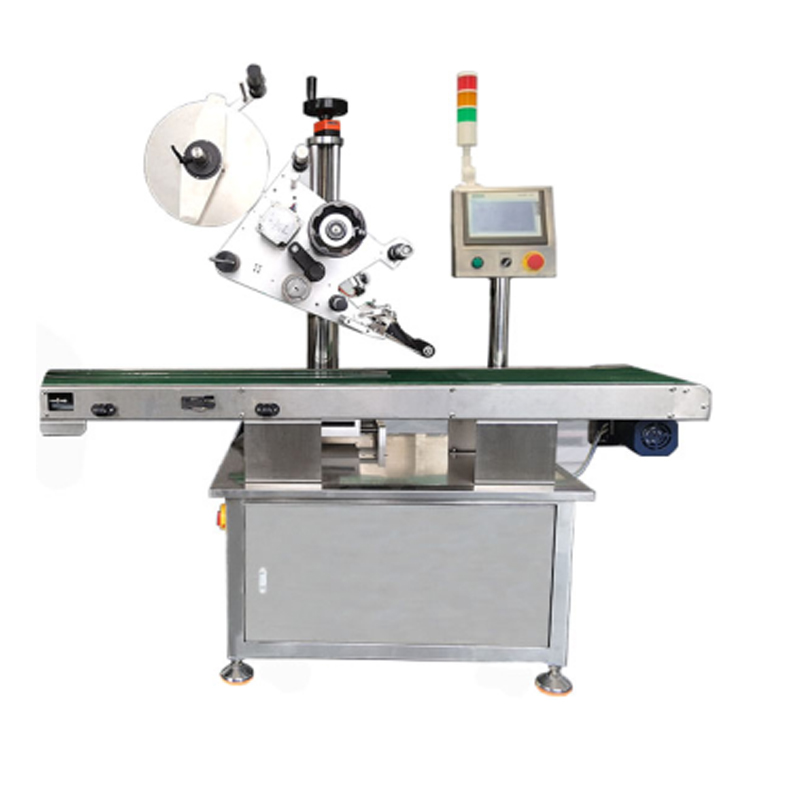
Broad Application Prospects and Industry Guidelines for Bottle Labeling Machines
In modern industrial production, precision, efficiency, and compliance have become indispensable core elements. As key equipment for achieving these goals, small bottle labeling machines have long transcended the boundaries of traditional laboratories, permeating numerous vital sectors critical to national economy, people's livelihood, and daily consumption. They are no longer merely simple labeling devices but core solutions that ensure product safety, safeguard brand reputation, enhance production efficiency, and meet stringent regulatory requirements. From life-saving pharmaceuticals to cosmetics that enhance daily life, from everyday food seasonings to agricultural chemicals driving industry growth, small bottle labeling machines demonstrate irreplaceable value and broad application prospects across all sectors.
In the pharmaceutical and biotechnology fields, the application of small bottle labeling machines is critical, directly impacting patient medication safety and corporate regulatory compliance. The labeling requirements in this sector extend far beyond aesthetics, encompassing stringent regulatory compliance. For instance, to meet regulations like the U.S. Drug Supply Chain Security Act (DSCSA) and the EU Falsified Medicines Directive (FMD), labeling machines must precisely and reliably apply unique identifiers—specifically, 2D data matrix codes containing serialized data—to each pharmaceutical vial. This enables end-to-end drug tracking and traceability, combating counterfeit medications. In highly sensitive clinical trials, labeling machines must guarantee zero errors, accurately applying complex trial codes, patient IDs, and dosage information to specific patient vials. Even minor mistakes could invalidate research data or endanger patient lives. Furthermore, in the production of high-value products like vaccines and biologics—often requiring cold chain transportation—labeling machines must also deliver high-speed yet gentle handling. This ensures stable operation in low-temperature environments without damaging the products. Consequently, specialized labeling equipment compliant with GMP standards, complete with full validation documentation and audit trail capabilities, has become an essential requirement for pharmaceutical manufacturing.
In the cosmetics and personal care industry, where brand image reigns supreme, small bottle labeling machines serve as “brand guardians.” The perfection of packaging directly shapes consumers' first impressions of product quality and brand value. For premium perfumes and fragrances, sample vials or full-size bottles often represent consumers' first physical encounter with the brand. A crooked, bubbled, or flawed label can instantly diminish the perception of luxury. Similarly, for high-value liquid products like serums and essential oils, which are typically packaged in exquisite glass bottles, labeling machines must ensure each label is perfectly aligned, securely adhered, and bubble-free to convey the product's purity and efficacy to consumers. Furthermore, in the mass production of travel-size and promotional samples, automated labeling machines are crucial for achieving high-speed, consistent production. They effectively prevent cost wastage and brand image damage caused by inefficient manual labeling and inconsistent appearance.
20
May
20
May
20
May
20
May
“Efficiency has improved significantly, and the packaging looks much more professional.”

“Stable operation and high precision, the main equipment on the production line.”