EN


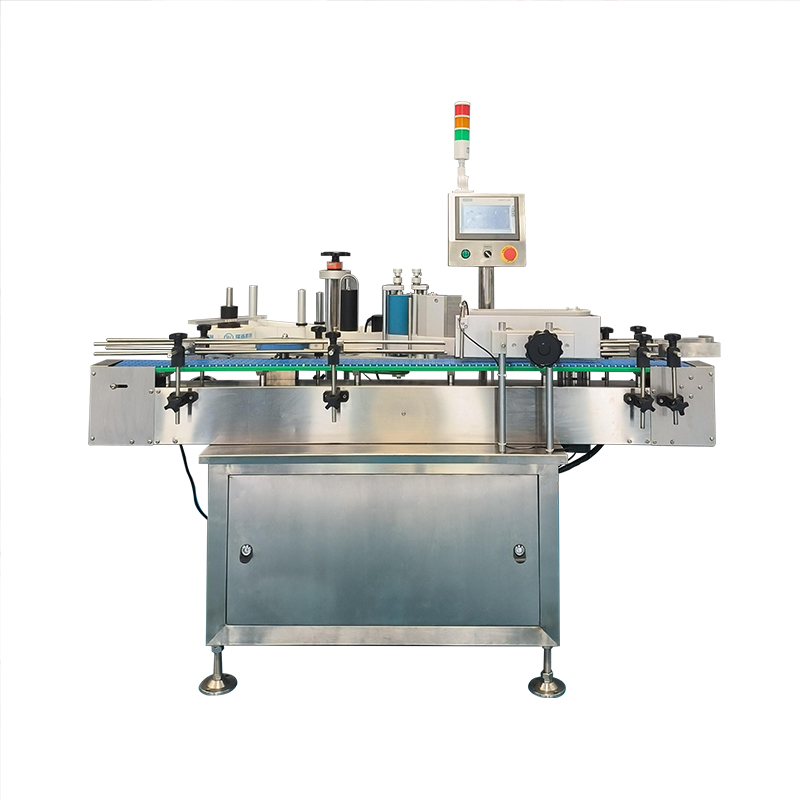
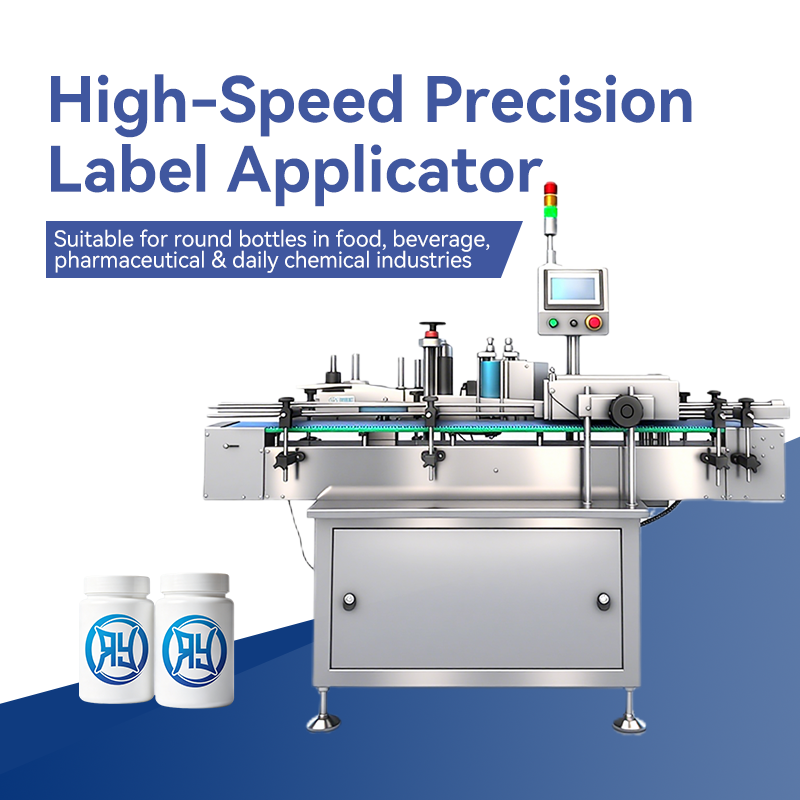
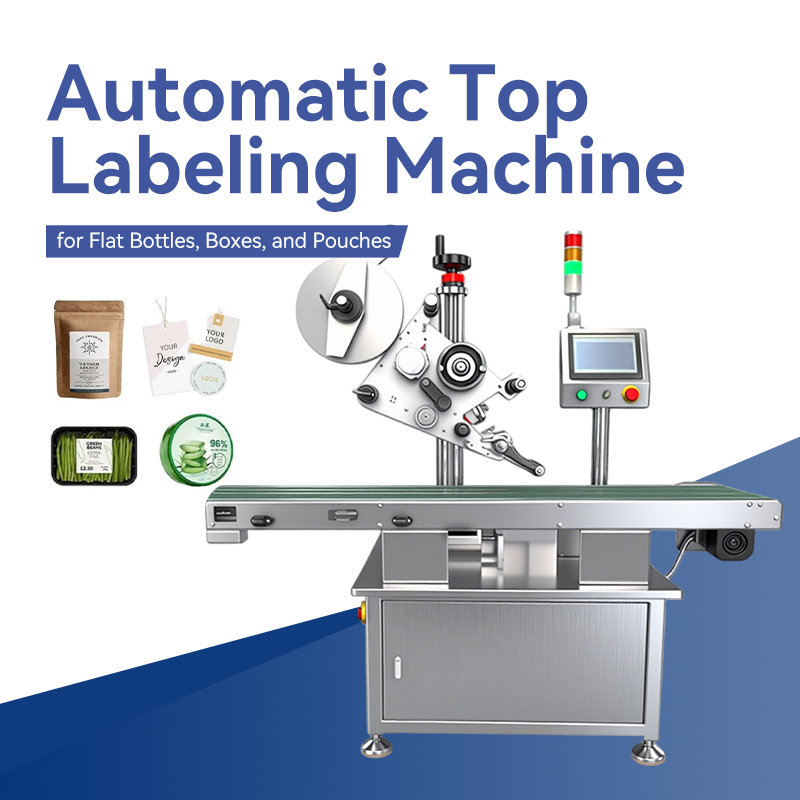
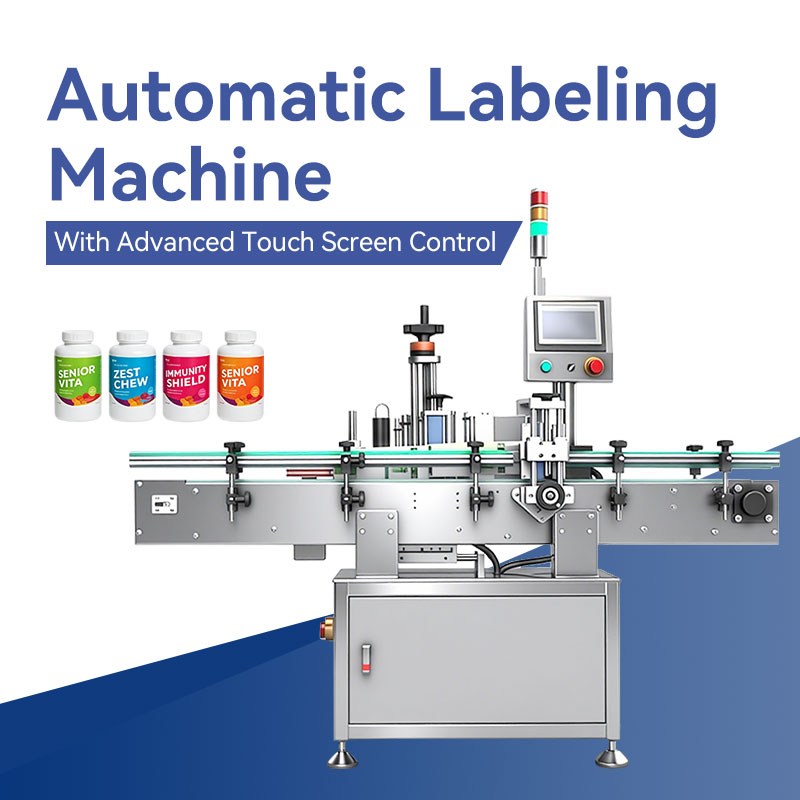
An automatic bottle labeling machine is far more than a simple equipment purchase; it is a strategic core that drives modern production facilities toward efficient, precise, and scalable operations. Its significance is first demonstrated as a powerful engine for boosting efficiency and reducing costs. By automating this traditionally slow and labor-intensive process, businesses can operate at astonishing speeds—processing hundreds or even thousands of bottles per hour. This completely eliminates production bottlenecks and frees employees from repetitive tasks, allowing them to focus on higher-value work. Consequently, operational expenses are directly reduced while output is significantly increased.
More importantly, automatic labeling machines are guardians of brand consistency, directly impacting brand reputation. Inevitable errors in manual labeling—such as skewed, bubbled, or misaligned labels—create an impression of low quality and unreliability in consumers' minds. With precision engineering, automatic labelers ensure every label is flat, smooth, and perfectly positioned, imparting an impeccably professional appearance to products. This reinforces brand value while drastically reducing material and product waste caused by labeling errors.
Furthermore, for industries subject to stringent regulations—such as food, beverage, pharmaceuticals, and chemicals—automated labeling machines are crucial for ensuring compliance and traceability. They guarantee that mandatory information like ingredient lists, barcodes, batch codes, and expiration dates is clear, legible, and error-free, effectively mitigating compliance risks stemming from labeling errors. Many systems also integrate with software to provide reliable data logging, establishing a robust audit trail for quality assurance and potential product recalls.
Ultimately, investing in automated bottle labeling machines lays the foundation for future business growth and is an essential choice for achieving scale. They seamlessly integrate into existing production lines, creating automated workflows from filling and capping to labeling. Their high adaptability allows flexible handling of different bottle shapes and labels through quick part changes and programming adjustments, minimizing downtime to respond to market changes. This truly enables proactive preparation for future business demands.
20
May
20
May
20
May
20
May
“Efficiency has improved significantly, and the packaging looks much more professional.”

“Stable operation and high precision, the main equipment on the production line.”