EN
EN


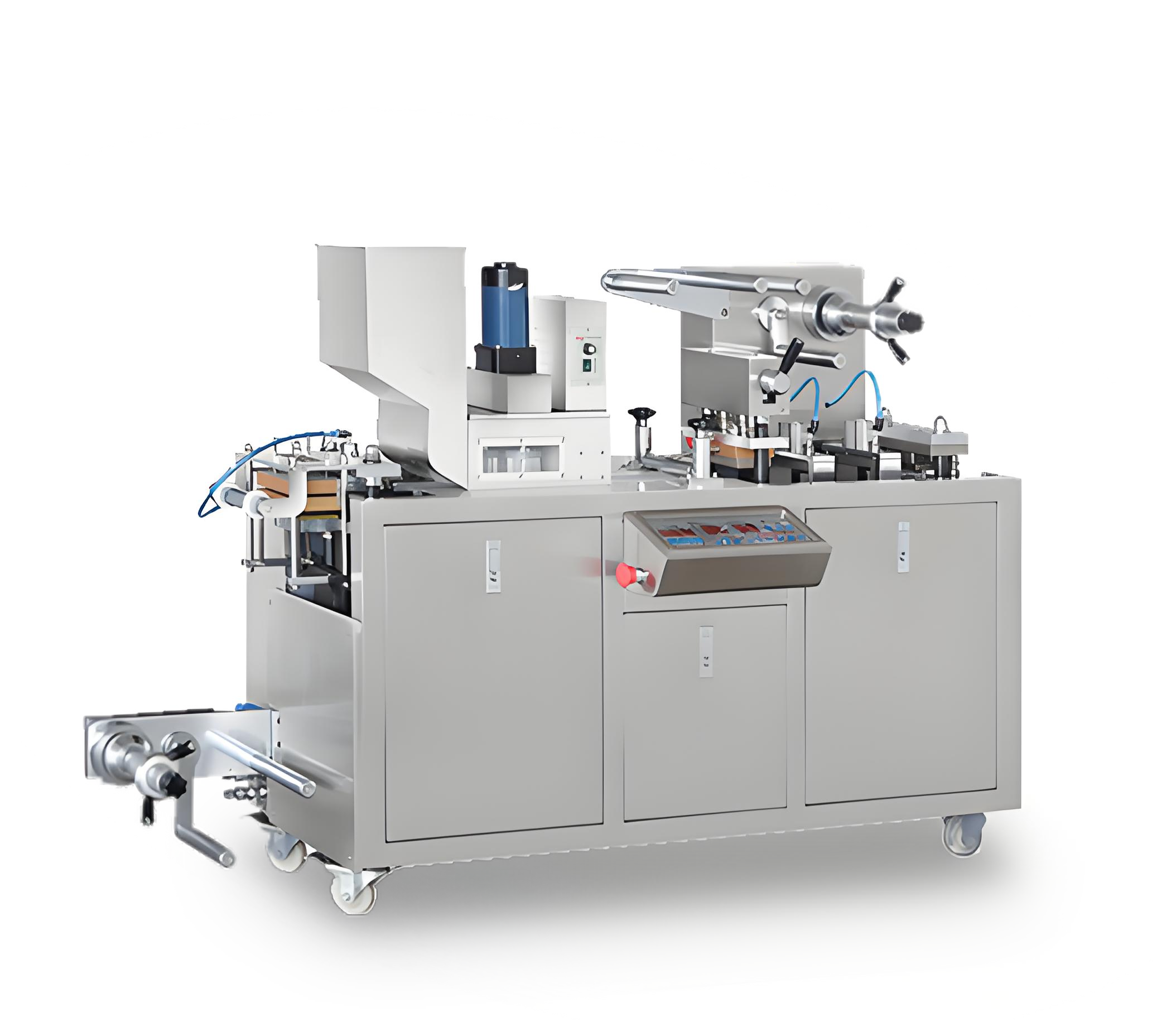
The application prospects for pill pack machines are extremely broad, with their influence rapidly expanding from traditional retail pharmacies to the core of the entire healthcare ecosystem. Currently, this technology has become the cornerstone for community pharmacies to enhance prescription dispensing efficiency, eliminate manual counting errors, and provide convenient medication adherence packaging (such as blister packs divided by week). Looking ahead, with the rise of micro-fulfillment centers, high-performance pill pack machines will integrate directly with pharmacy management systems to efficiently handle the growing volume of mail-order and self-pickup orders, enabling community pharmacies to compete on equal footing with large institutions.
In hospital and clinical settings, pill pack machines ensure patients receive the correct medication and dosage at precise times through unit-dose packaging, significantly enhancing medication safety for inpatients and streamlining nurses' workflows. Their future potential lies in deep integration with electronic health records, enabling real-time packaging at pharmacies or nursing stations based on patient needs, supporting more dynamic and flexible responsive care models.
For long-term care facilities and nursing homes, managing residents' complex medication regimens is a core challenge. Automated packaging systems can divide residents' medications into individual doses, simplifying processes for care staff and minimizing the risk of cross-contamination or dosage errors. As the global trend of population aging intensifies, the demand for long-term care will continue to surge, making pill pack machines an indispensable tool for achieving “patient-centered care,” helping institutions efficiently manage increasingly complex multiple medication scenarios.
Additionally, in the clinical research field, pill pack machines are used to package trial medications and placebos into identical blister packs, which is critical for maintaining trial blindness and ensuring medication adherence. Their future role will be to provide complex and precise packaging support for advanced personalized medication regimens and precision dosing trials. Similarly, in the rapidly developing frontier of home healthcare and telemedicine, pill pack machines will serve as the backend engine for direct-to-patient drug delivery models, ensuring their scalability, safety, and reliability, thereby strongly supporting the global shift toward decentralized healthcare models. Even in the veterinary medicine field, which demands high precision, this is an emerging market with significant growth potential.
The core drivers behind these promising prospects include the growth of chronic diseases and polypharmacy driven by global population aging, increasing emphasis on patient safety, the need to control rising healthcare costs through automation, and the emergence of next-generation machines enabled by AI and IoT technologies that are smarter, capable of predicting demand, and capable of autonomous maintenance.
20
May
20
May
20
May
20
May
“Precise and efficient, ideal for small-batch production, with extremely convenient material changeovers.”

“The most reliable equipment on the production line, stable long-term operation, and easy employee training.”