EN
EN


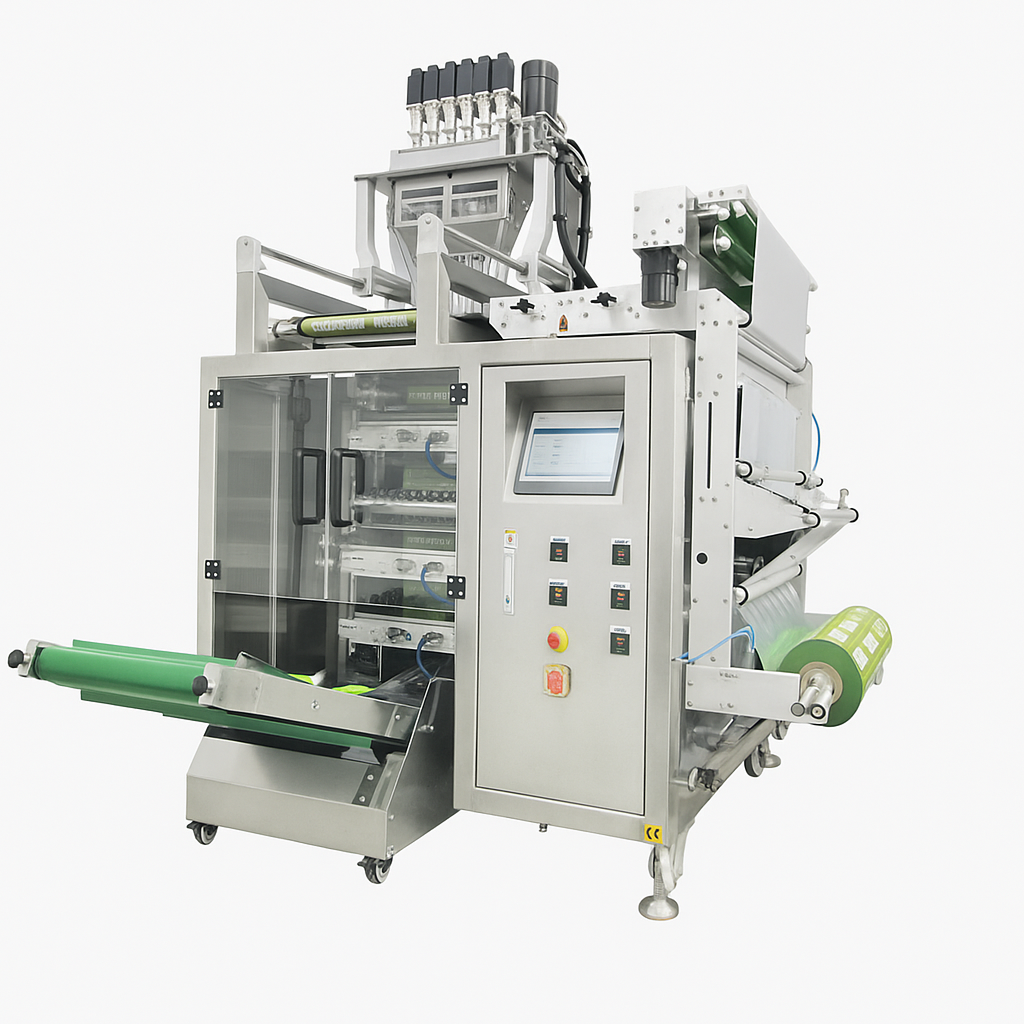
In the highly regulated pharmaceutical industry, drug packaging is far from the end of the production process; it is a critical component in ensuring product integrity, patient safety, and brand reputation. As the engineering cornerstone of this core process, pharmaceutical blister packaging machines transform simple paper boxes into safe, compliant, and information-complete patient medication packaging.
The significance of such specialized equipment is evident across multiple dimensions: first and foremost, it ensures unwavering patient safety and regulatory compliance. Automated systems precisely insert medication instructions and place the correct blister packs or vials into corresponding boxes, significantly reducing the risk of human error and cross-contamination. Additionally, the equipment strictly adheres to Good Manufacturing Practice (GMP) standards and FDA regulations, ensuring traceable and verifiable standardized processes that provide a solid foundation for passing audits and maintaining market access approvals.
Second, pharmaceutical cartoning machines significantly enhance production efficiency and scalability. Modern automated equipment can complete the forming, filling, and sealing of hundreds or even thousands of cartons per hour, a high-speed production capacity far exceeding the limits of manual operations. This enables companies to flexibly scale up production without significantly increasing costs or error rates. Automation not only drastically reduces long-term labor costs but also achieves significant return on investment by minimizing packaging errors, scrap rates, and downtime.
Additionally, the equipment plays a central role in brand protection and building consumer trust. The machines ensure that every pharmaceutical package maintains a consistent, flawless appearance—free of creases, securely sealed, and visually appealing. This highly consistent professional image reinforces healthcare professionals' and patients' perception of the brand's quality and reliability. Meanwhile, the equipment's integrated tamper-proof features (such as sealed flaps or tear-open tabs) are not only essential safety requirements but also key elements in establishing consumer trust.
Finally, pharmaceutical cartoning machines provide technical support for supply chain integrity. Advanced equipment can seamlessly integrate printing and visual inspection systems to apply and verify unique serial numbers, barcodes (such as data matrix codes), and expiration date information. This meets the regulatory requirements of most markets for combating counterfeit medications and achieving efficient product traceability, fundamentally ensuring the safety and transparency of medication distribution.
20
May
20
May
20
May
20
May
“Precise and efficient, ideal for small-batch production, with extremely convenient material changeovers.”

“The most reliable equipment on the production line, stable long-term operation, and easy employee training.”