EN

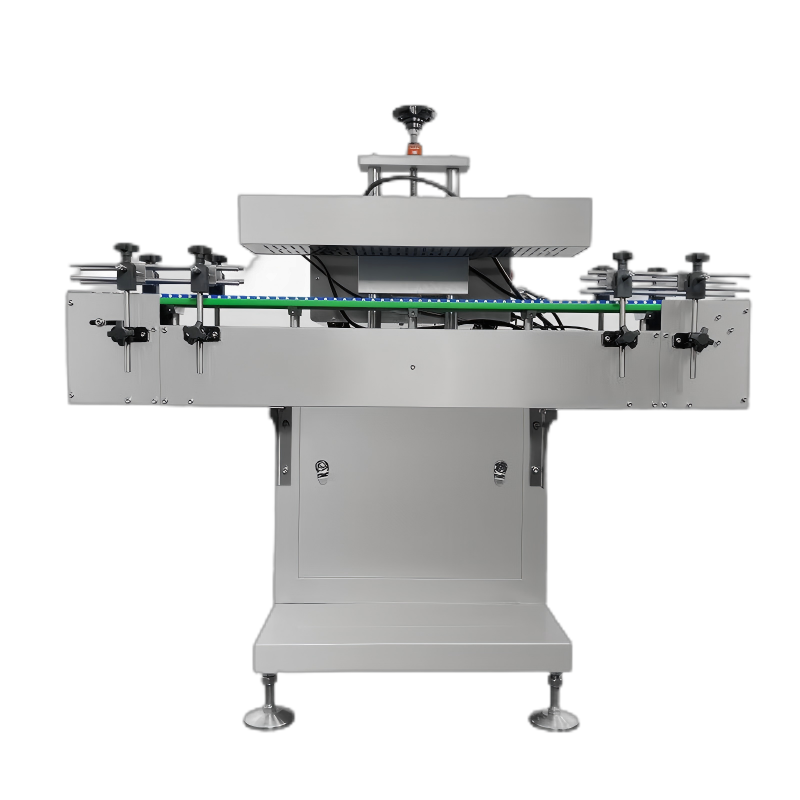
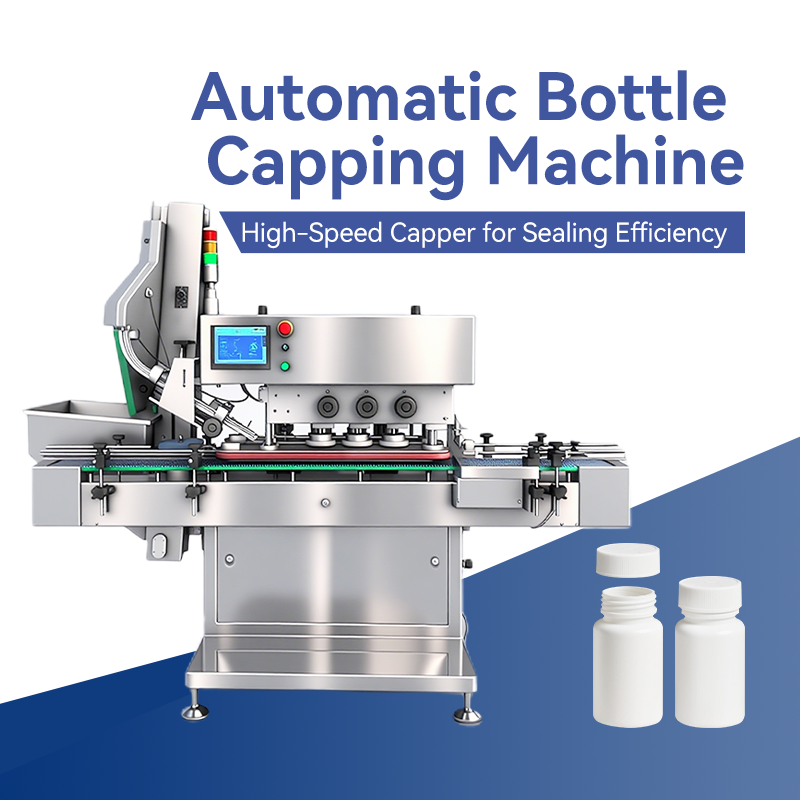
The linear bottle cap sealing machine is a key piece of equipment designed specifically for modern high-speed production lines. Its core value lies in significantly improving production efficiency and product consistency through automation technology. The machine can accurately handle a variety of cap types, including screw caps, press-on caps, pump heads, and metal tamper-evident caps (ROPP), ensuring that each bottle achieves a completely consistent seal. This effectively reduces product loss and quality issues caused by poor sealing.
The application of linear capping machines holds significant importance for the food and beverage, pharmaceutical, cosmetics, and chemical industries. Featuring a linear design, containers move smoothly along a conveyor belt in a single line. Through servo system control of torque, the machine achieves precise grasping and screwing of caps, avoiding issues such as leakage, contamination, or bottle damage caused by inconsistent manual operations. This high-precision operation not only ensures product safety and shelf life but also enhances brand anti-counterfeiting capabilities and consumer trust.
Additionally, the equipment offers highly flexible production adaptability. Through quick-change structures and programmable logic control systems, it supports rapid switching between different bottle heights, diameters, and cap types, significantly reducing production line adjustment time and enabling flexible production strategies for multiple varieties and small batches. In terms of performance, the linear capping machine is constructed from food-grade stainless steel, enabling 24/7 continuous and stable operation. It requires minimal maintenance, has excellent energy efficiency, and can significantly reduce labor costs and downtime losses over the long term, providing businesses with rapid return on investment.
Overall, the linear bottle cap sealing machine is not only an automated tool for production processes but also a core strategic device for ensuring product quality, maintaining brand reputation, and enhancing overall production capacity and operational efficiency. It helps businesses establish a higher-standard production quality control system, adapt to the rapidly changing demands of the market, and serves as the foundation for achieving intelligent and large-scale production.
20
May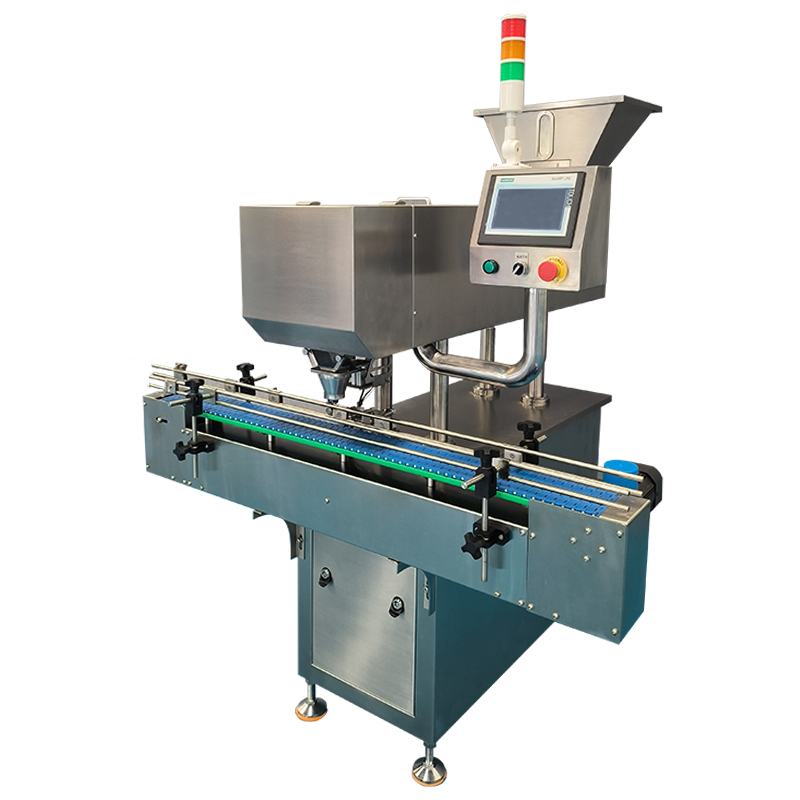
20
May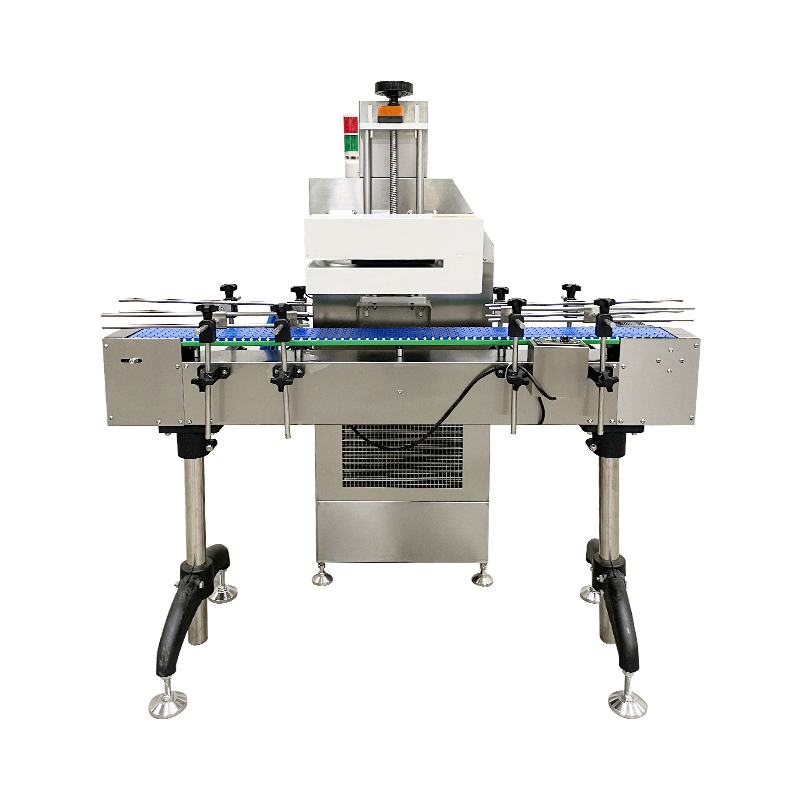
20
May
20
May
"We were constantly dealing with bottlenecks and jams at the start of our line. Since installing this machine, the flow is seamless. It just works, shift after shift. The reliability is incredible and it's completely eliminated the manual sorting we used to have to do."

"We run multiple SKUs with different bottle sizes, so changeover time is critical. The tool-less adjustment on this model is the real deal. What used to take us an hour now takes minutes. Our downtime has plummeted, and our team finds it very intuitive to operate."