EN
EN


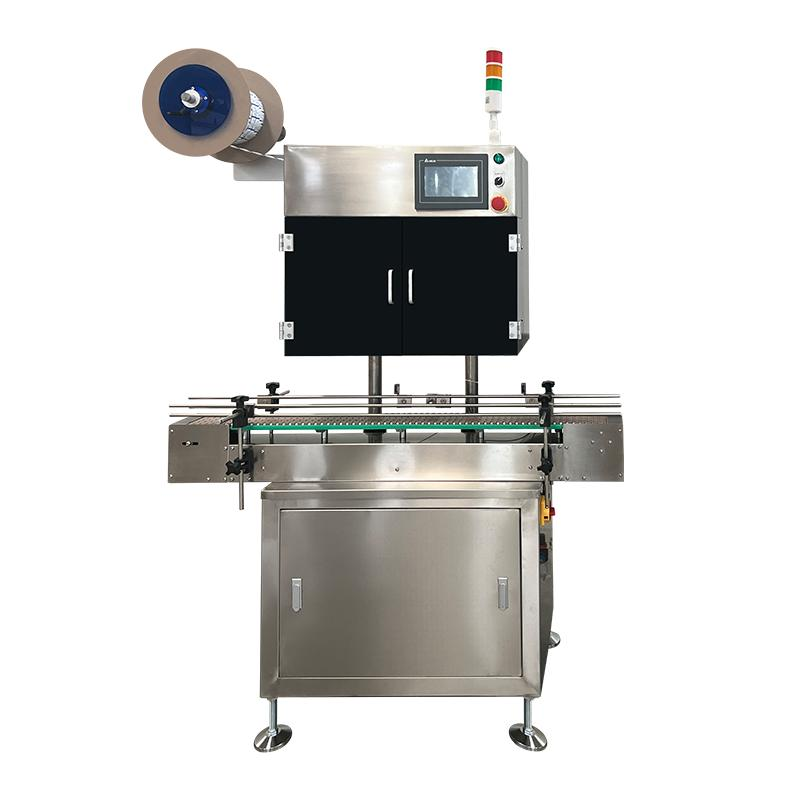
In today's manufacturing and packaging industries, moisture poses a significant threat. It can easily render pharmaceuticals ineffective, corrode precision electronic components, cause food powders to clump, or lead to rusting of metal parts, resulting in substantial economic losses, product recalls, and irreparable damage to brand reputation. While the importance of using desiccants is widely recognized, the key distinction lies in how they are inserted—whether products are fully protected or remain vulnerable. It is precisely at this stage that the desiccant insertion machine transforms from a simple piece of equipment into a critical strategic asset, with its core value lying in upgrading manual operations to precise, reliable automated processes.
The significance of automating this process cannot be overstated. For any company that views quality control as a lifeline, investing in a dedicated desiccant insertion system is a critical decision. First and foremost, it ensures uncompromising product integrity and safety. Manual placement is inherently prone to errors, with operators potentially omitting, over-dosing, or using the wrong type of desiccant. Automated machines eliminate this risk entirely, ensuring each container receives precise, error-free moisture protection. This is an indispensable requirement in industries such as pharmaceuticals (where efficacy and patient safety are at stake), electronics (to prevent circuit corrosion), and food (to combat mold growth and clumping). Secondly, it is a direct driver of operational efficiency and profitability. Manual desiccant placement is slow, labor-intensive, and costly, while automated insertion machines transform this bottleneck into smooth, high-speed operations, significantly reducing labor costs, maximizing packaging line capacity, and eliminating material waste.
Additionally, desiccant insertion machines are the cornerstone for ensuring compliance with stringent regulatory requirements and providing traceability. In many regulated industries, demonstrating that production processes are controllable and verifiable is a legal requirement. The stable performance and digital records provided by automated equipment offer irrefutable evidence for such audits, making them a critical component of quality management systems (QMS). Ultimately, all of this translates into exceptional return on investment (ROI). While there are upfront costs, the cost savings from reduced labor, minimized waste, and avoided batch scrap, and more importantly, the avoidance of the significant risks associated with a major recall or brand crisis, typically allow automated insertion machines to recoup their investment in the short term and continue to create value as production scales up.
In summary, a desiccant insertion machine is far more than just a machine; it represents a firm commitment to excellence in quality, efficient production, and brand protection. It is the key assurance that your investment in desiccants translates into product safety. By automating this final, critical process, you not only protect your products but also safeguard customer trust and the long-term interests of your business.
20
May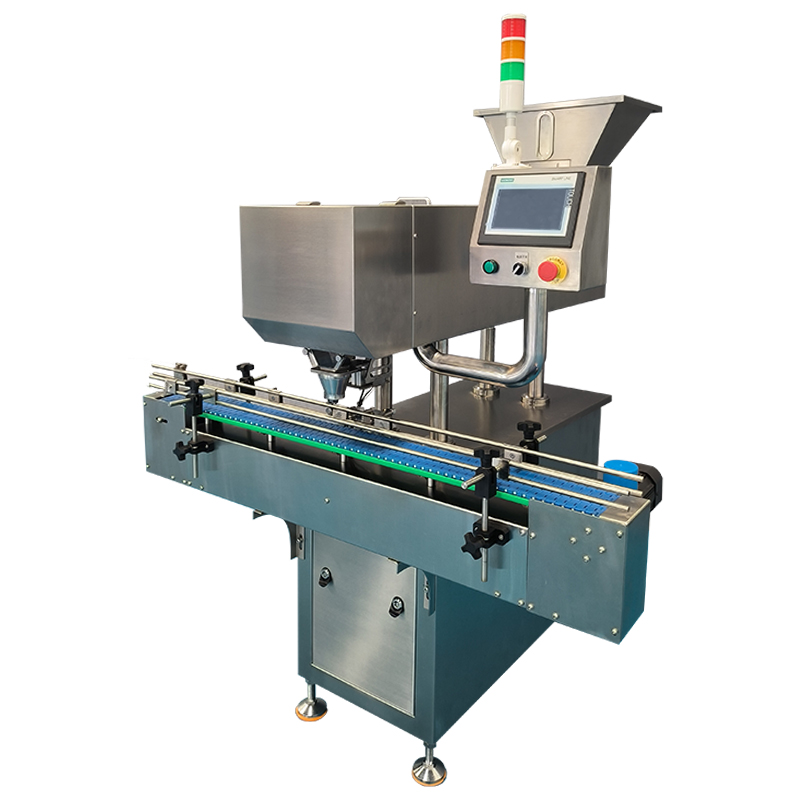
20
May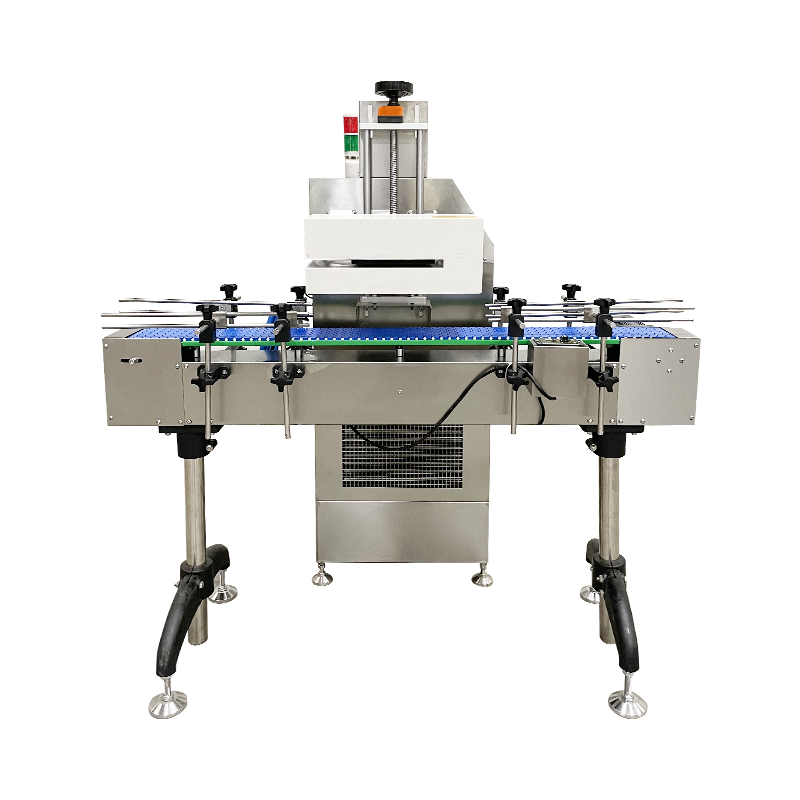
20
May
20
May
"I was skeptical about the ROI, but this machine paid for itself in under a year. We reallocated three staff members to more valuable tasks and eliminated the repetitive strain injuries associated with manual insertion. "

"Precision and reliability are non-negotiable for us. This inserter is incredibly consistent. Every single unit gets a desiccant, exactly where it's supposed to be. It's a workhorse that requires minimal maintenance and has drastically improved our quality control logs."