EN


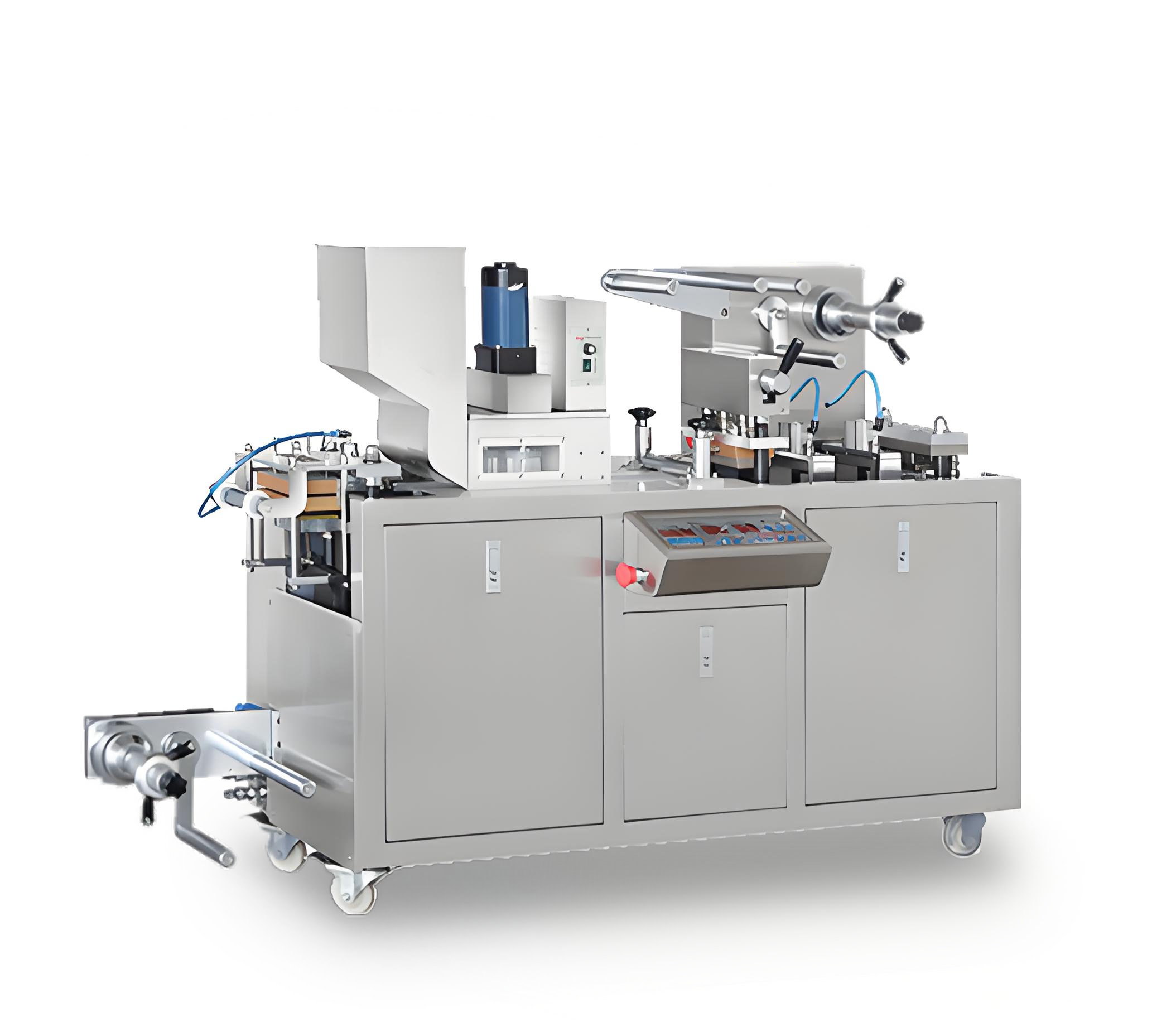
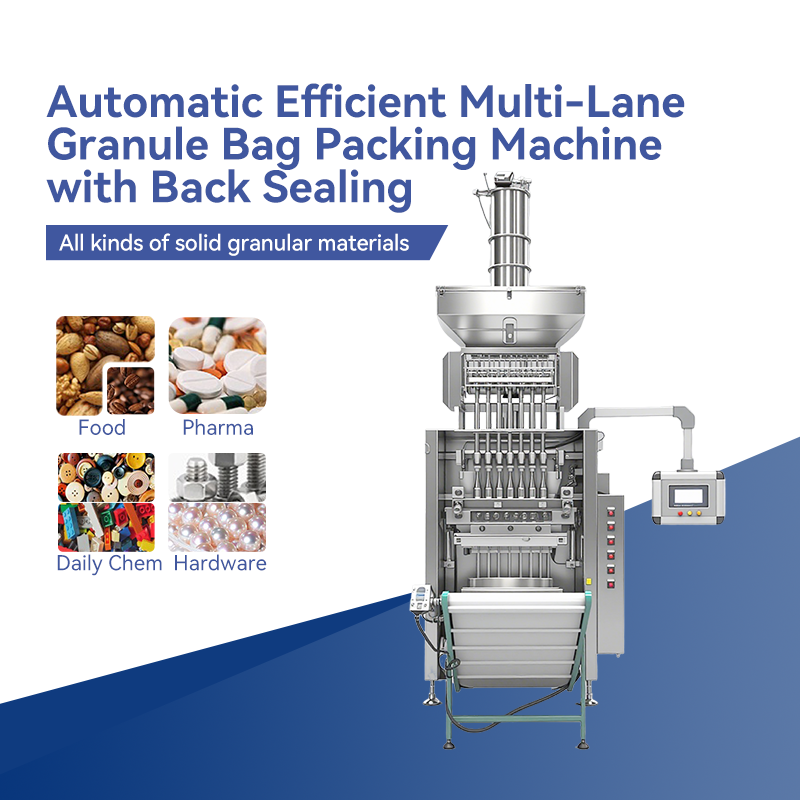
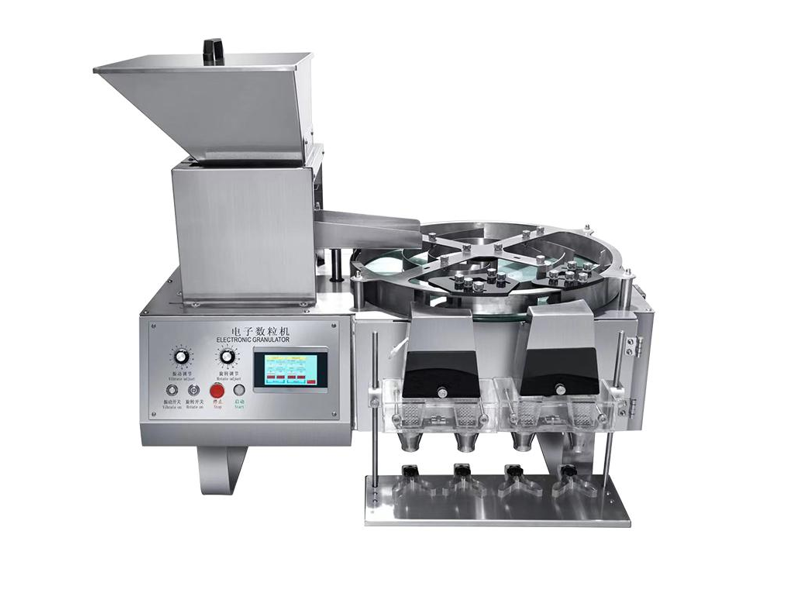
Automated pharmaceutical packaging machines have become indispensable core equipment in modern healthcare operations, with their importance evident across multiple critical dimensions. First, in terms of enhancing patient safety, the equipment eliminates dosage errors or medication mix-ups that may result from manual dispensing through precise mechanical counting and automated packaging processes. Each packaging unit generates a complete traceability record, providing robust assurance for medication safety.
Second, in terms of compliance, the equipment automatically generates sealed packaging and standardized labels that meet regulatory requirements, ensuring that each unit is clearly labeled with information such as drug name, dosage, batch number, and expiration date, in accordance with the strict regulations of drug regulatory authorities. Additionally, in terms of operational efficiency, the automated packaging process can achieve speeds of hundreds of doses per hour, significantly freeing up human resources and allowing professional technicians to focus on higher-value pharmaceutical services. This not only reduces labor costs but also directly improves economic efficiency by minimizing drug waste.
Furthermore, intelligent medication management functions enable real-time synchronization of inventory data, optimizing procurement decisions and preventing medication shortages or stockpiles. Ultimately, by freeing staff from repetitive tasks, the equipment not only streamlines workflows but also enhances job satisfaction and overall service quality. In summary, the automatic medication packaging machine is not only a tool for improving efficiency but also a strategic investment in ensuring medication safety, compliance with regulations, and upgrading pharmaceutical services.
20
May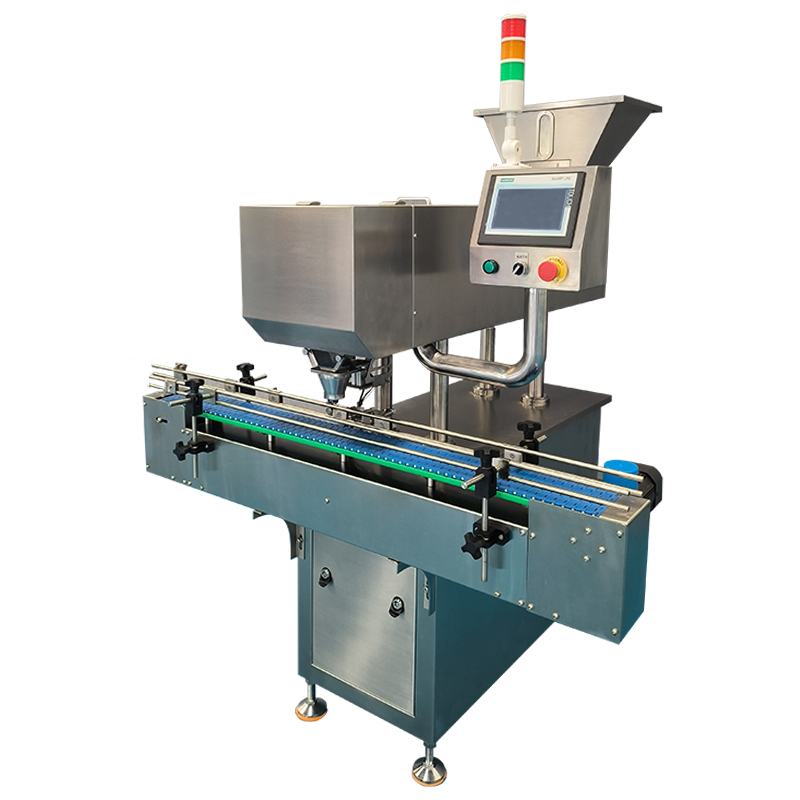
20
May
20
May
20
May
"In our business, compliance is everything. This machine's flawless accuracy and built-in audit trails have made regulatory audits a smooth process. The peace of mind knowing every dose is perfect is invaluable"

"We run three shifts, and this machine handles the constant operation without a hiccup. The build quality is outstanding. It's clear it was engineered for an industrial environment where durability is non-negotiable."