EN


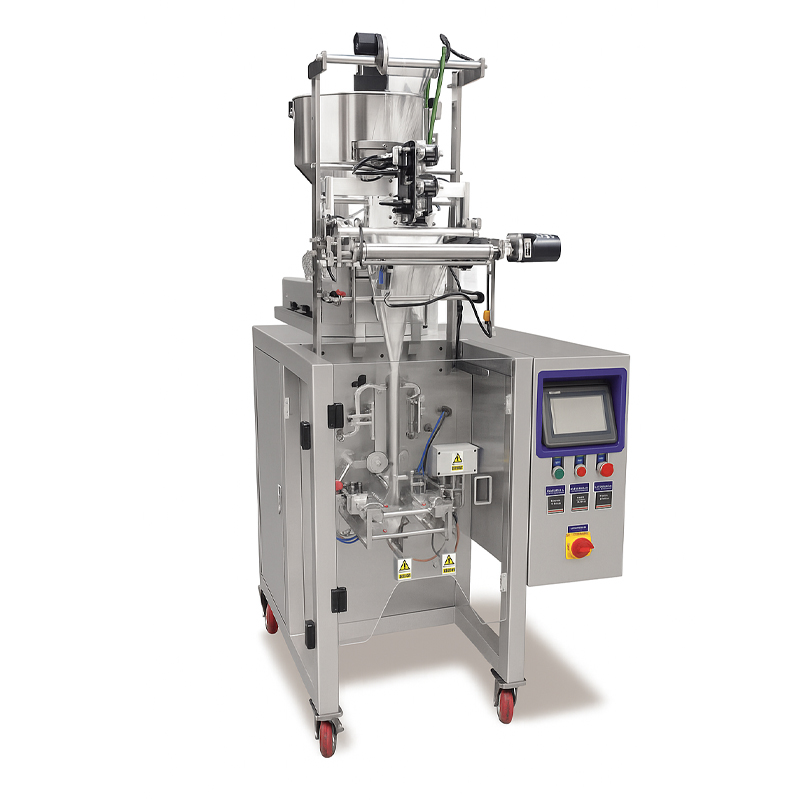
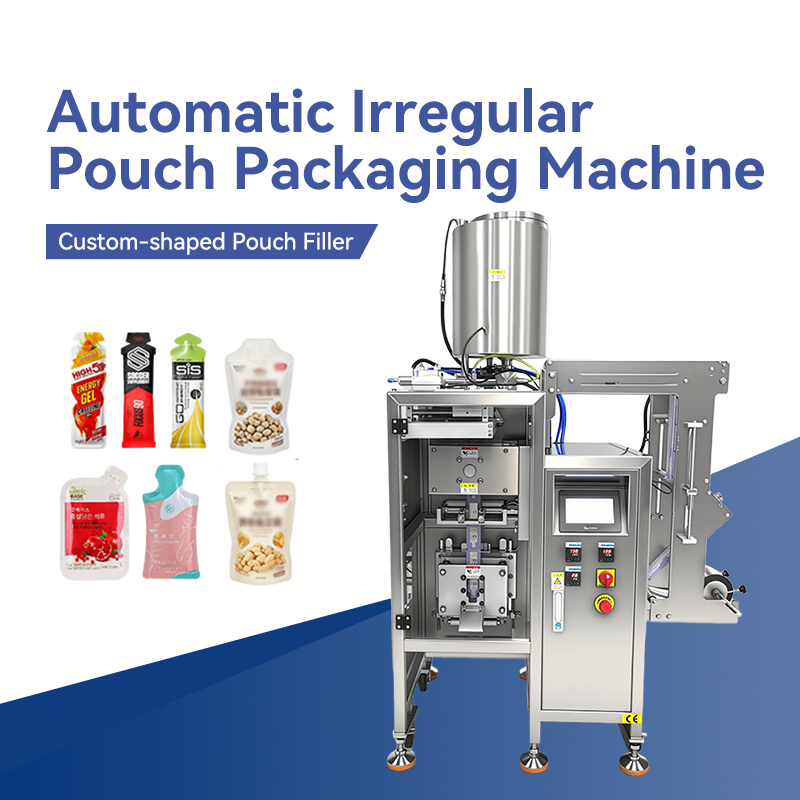
The application prospects for modern pouch filling and packing machines are extremely promising, with their high efficiency and flexibility driving packaging innovation across multiple industries. In the food and beverage industry, such equipment has become a core driver, capable of efficiently handling liquid products (such as soups, sauces, and juices) and powdered products (such as protein powder and infant formula), and is widely used in the packaging of vertical bags and zipper bags for snacks and candies, meeting market demands for convenience and freshness.
In the pharmaceutical and healthcare sectors, the application of bag-packing machines is expanding rapidly. Due to the high requirements for precision, sterility, and patient medication compliance, this equipment is used for unit-dose packaging (such as pharmaceutical powders and nutritional supplements) and sterile packaging of medical devices, effectively meeting the needs of cleanroom production and tamper-proof sealing. Additionally, the nutritional supplement industry is increasingly adopting this cost-effective flexible packaging format.
The household and industrial chemicals industry is also undergoing a packaging revolution. Concentrated cleaning solutions, laundry detergent pods, and agricultural chemicals are increasingly adopting bag packaging to reduce transportation costs and enhance durability. Furthermore, this technology continues to explore new application frontiers, such as high-quality packaging for pet food and snacks, small-sized portable packaging for cosmetics and personal care products, and lightweight, high-brand-recognition solutions required for direct-to-consumer (D2C) and e-commerce applications.
This promising application outlook is driven by several key market factors. Sustainability requirements demand packaging that reduces plastic use and lowers transportation carbon emissions, and lightweight bag packaging aligns perfectly with this trend. Consumer preference for portable and resealable packaging continues to grow, driving changes in packaging formats. Furthermore, highly automated and intelligent equipment can seamlessly integrate into smart factories, enabling data tracking and remote monitoring, thereby providing businesses with the flexibility to scale production on demand. Finally, bag packaging offers brands a powerful shelf display effect, directly influencing consumer purchasing decisions through high-quality graphic printing, making it a crucial tool for brand differentiation and competitive advantage.
20
May
20
May
20
May
20
May
"Game-changer for our small biz. Went from hand-filling to professional packs in hours. Paid for itself quickly"

"Runs non-stop on our production line. Incredibly reliable and accurate. Drastically cut our product waste."