EN


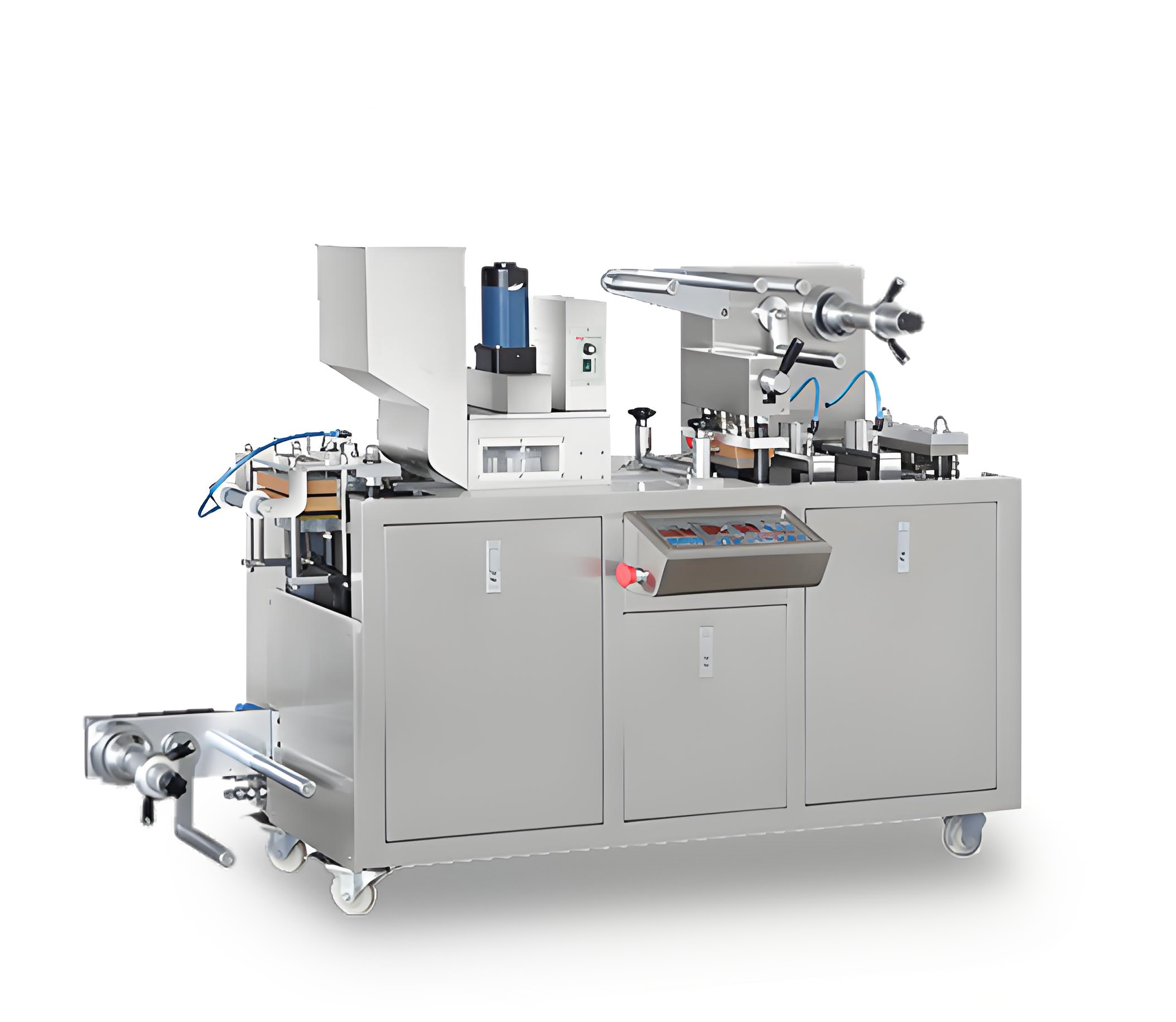
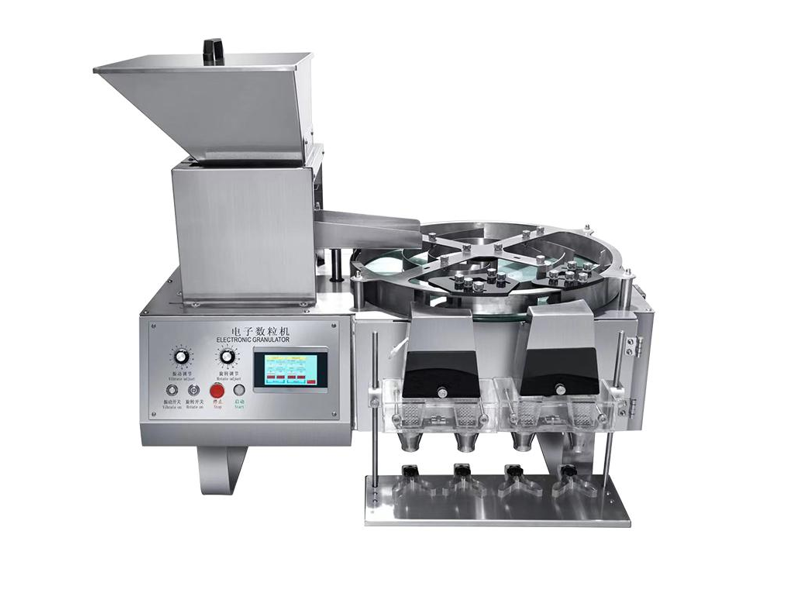
In the production of modern pharmaceuticals, health supplements, and wellness products, tablet filling machines have far surpassed their role as basic automated equipment, transforming into a critical strategic asset. Their core importance is first and foremost reflected in their unparalleled precision and ultimate assurance of patient safety. Through advanced photoelectric sensing or precision weighing technology, it completely eliminates dosage errors caused by manual counting, fundamentally avoiding serious safety risks and compliance issues resulting from under- or over-dosing, thereby safeguarding the health of end-users and protecting brand reputation.
Secondly, this equipment serves as a powerful engine driving production efficiency and scalable operations. An automated tablet filling machine can complete hundreds of bottles per minute, a speed unmatched by manual labor, significantly boosting output and enabling businesses to meet rapidly growing market demand without needing to linearly increase labor costs for expansion. It frees employees from repetitive tasks, allowing them to focus on higher-value quality control and operational management.
Additionally, in the highly regulated pharmaceutical industry (e.g., FDA, cGMP), tablet filling machines are a critical tool for ensuring compliance and traceability. Built-in features such as automatic batch number tracking, tamper-proof bottle cap sealing, and precise labeling establish a complete audit trail for each product, significantly simplifying reporting processes and ensuring smooth regulatory reviews.
In terms of product quality, the integrated capping system ensures consistent, airtight seals every time, effectively protecting moisture- and oxygen-sensitive medications and supplements, maintaining their efficacy and stability, and extending shelf life. Finally, from an ROI perspective, while there is an initial investment, the tablet filling machine delivers significant long-term operational cost savings and healthier profit margins by drastically reducing labor costs, minimizing product loss due to overfilling, and eliminating financial and reputational losses caused by counting errors.
20
May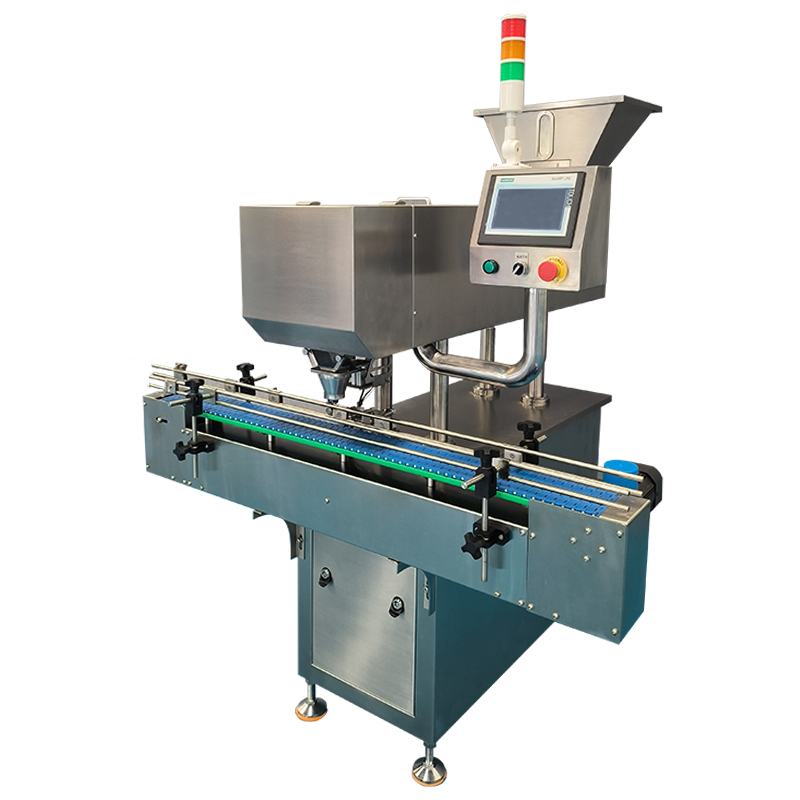
20
May
20
May
20
May
“Precise and efficient, ideal for small-batch production, with extremely convenient material changeovers.”

“The most reliable equipment on the production line, stable long-term operation, and easy employee training.”