EN


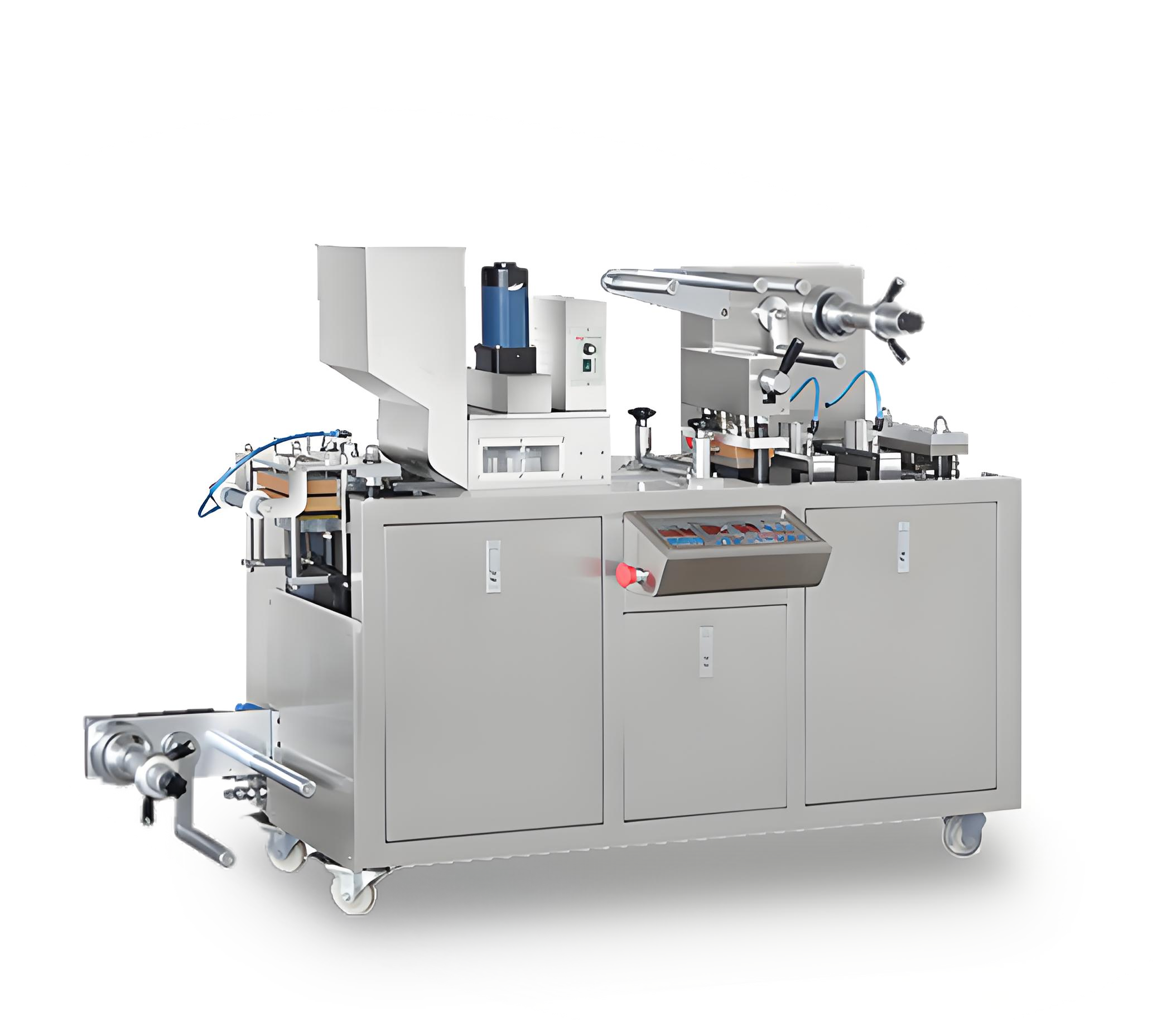
In the modern pharmaceutical industry, blister packaging machines have become core equipment for ensuring drug safety, improving production efficiency, and meeting compliance requirements. Their importance is primarily reflected in the following aspects: First, blister packaging forms independent units by sealing aluminum foil and rigid plastic, effectively isolating moisture, oxygen, and contaminants, significantly extending the shelf life of medications. The transparent packaging facilitates visual inspection, while built-in anti-counterfeiting labels and tear-resistant designs provide dual safeguards for medication safety. Second, automated blister packaging production lines achieve high-speed continuous operation through precision mechanical structures and intelligent control systems, with single-machine hourly output reaching tens of thousands of blister packs, significantly reducing labor costs and eliminating common issues such as mispackaging or missing items in traditional packaging. Additionally, the equipment strictly adheres to international standards such as GMP and FDA, and is equipped with electronic traceability systems and data recording functions to ensure that each production batch meets the audit requirements of pharmaceutical regulatory authorities.
From a user experience perspective, unitized blister packaging not only facilitates patients in taking medication according to their treatment regimen but also allows for the printing of date reminders and medication instructions, significantly improving medication adherence. For pharmaceutical companies, customized mold designs support packaging for medications of various shapes and sizes, enabling both brand differentiation and alignment with trends toward environmentally friendly materials. In summary, blister packaging machines are not only the technological cornerstone of pharmaceutical automation but also a critical hub connecting medication safety, commercial efficiency, and social responsibility.
20
May
20
May
20
May
20
May
“Precise and efficient, ideal for small-batch production, with extremely convenient material changeovers.”

“The most reliable equipment on the production line, stable long-term operation, and easy employee training.”