EN


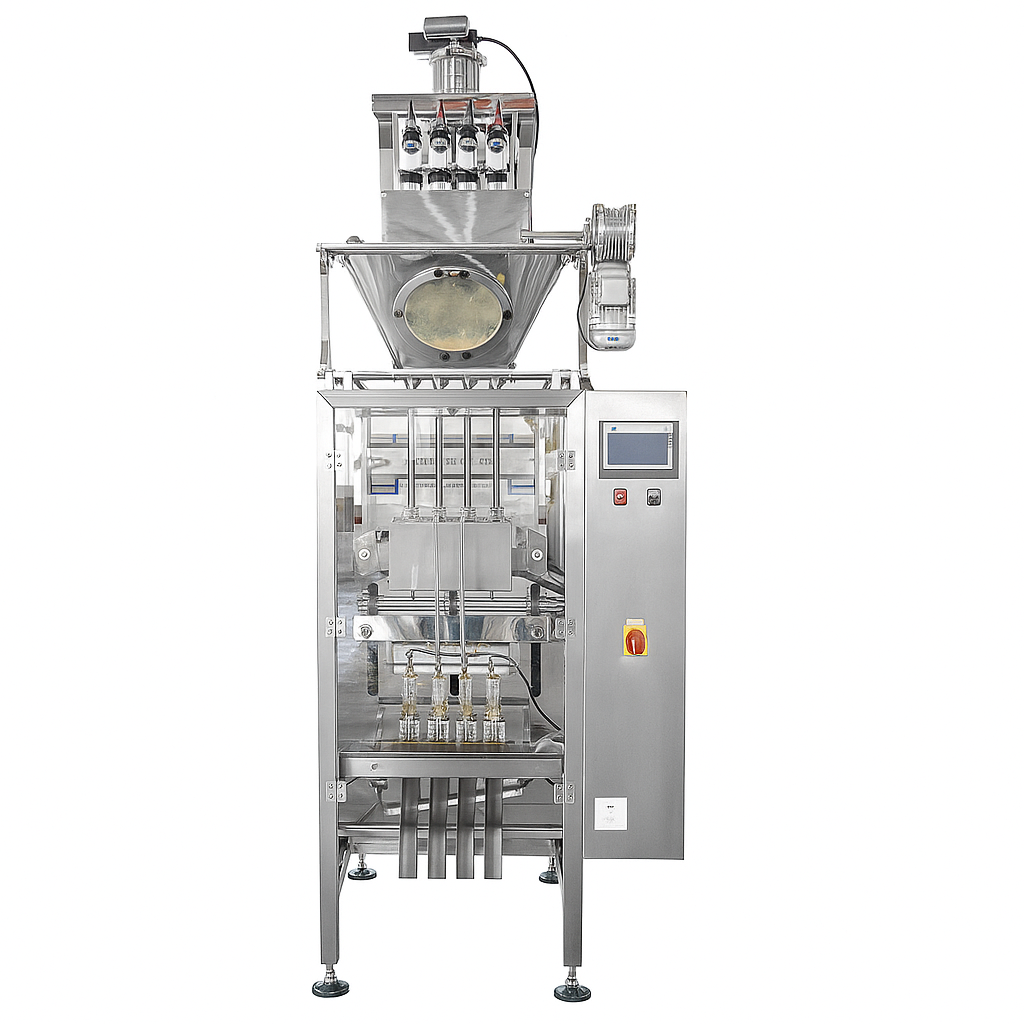
The core strategic value of this equipment lies in helping businesses capitalize on the massive single-use and sample market opportunities. From ketchup and syrup packets in the food service industry, to shampoo and conditioner trial sizes in hotels and cosmetics, to pharmaceutical syrups and disinfectants, small-bag packaging has become the preferred format. A dedicated filling machine enables businesses to efficiently enter this lucrative market, creating new revenue streams and marketing opportunities—something bulky bottle and can packaging cannot achieve.
In terms of cost control, automated small-bag filling offers unparalleled benefits. The packaging materials required for pouches are significantly less than those for bottles, tubes, or cans, resulting in substantial savings in packaging costs, warehousing, and logistics. Automated processes minimize product waste through precise filling, reduce labor costs by replacing error-prone manual operations with high-speed automated systems, and exponentially increase output. This enables businesses to meet large-volume orders and tight deadlines without increasing management costs, directly impacting the bottom line.
Additionally, automated equipment plays a critical role in ensuring product hygiene and consistency. It provides a closed, hygienic filling environment, which is essential for the food and beverage industry, which must meet strict food safety standards, and the pharmaceutical and cosmetics industry, which must ensure product purity and efficacy. Each small bag is uniformly filled and sealed, ensuring that every customer receives a consistently high-quality product, thereby maintaining the brand's reputation for reliability.
Pouch packaging also serves as a powerful marketing tool and a vehicle for enhancing brand visibility. Its compact size is ideal for inclusion in subscription boxes, promotional campaigns, and in-store displays, lowering the barrier for new customers to try the product and reducing the decision-making risk associated with purchasing full-sized products. A well-designed pouch acts as a miniature billboard, increasing brand exposure and driving future purchases of larger-sized products.
In terms of sustainability, while small-bag packaging faces complex challenges, it contributes by reducing product waste. Consumers use the entire contents, meaning no product remains in partially used bottles to spoil. Additionally, reduced material usage and lighter weight lower carbon emissions during transportation. For products requiring precise dosing (such as concentrates or medications), small-bag packaging effectively prevents the overuse and waste common in traditional packaging.
20
May
20
May
20
May
20
May
"Game-changer for our small biz. Went from hand-filling to professional packs in hours. Paid for itself quickly."

"Runs non-stop on our production line. Incredibly reliable and accurate. Drastically cut our product waste."