 EN
EN

Patient Safety and Therapeutic Integrity Depend on Capsule Counting Equipment
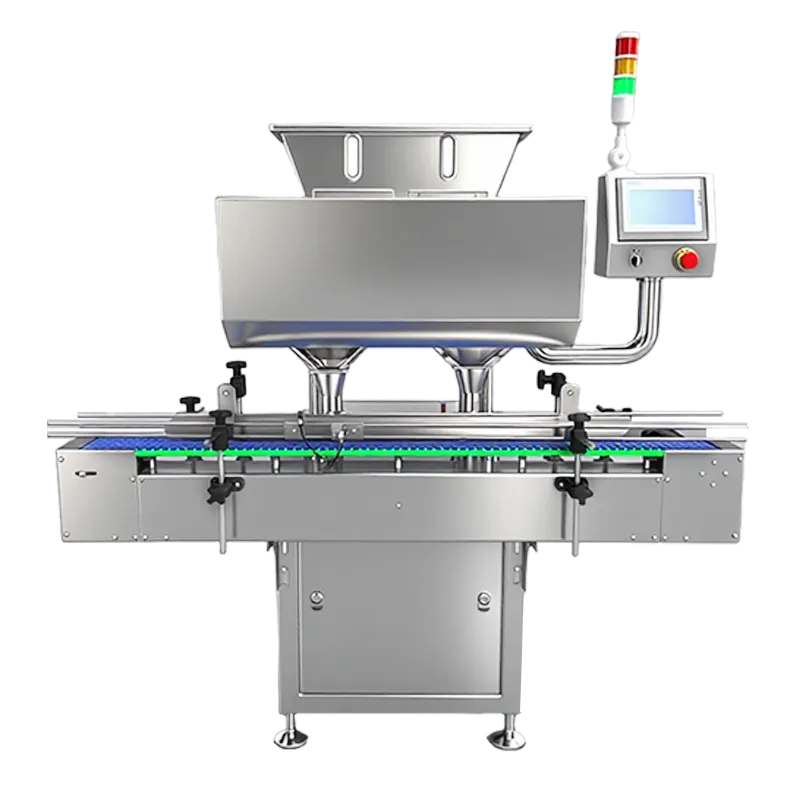
How ±1 capsule error compromises dosing precision—especially in high-potency and narrow-therapeutic-index drugs
When there's just one mistake in counting capsules, it can really mess up treatment results, especially when dealing with dangerous meds such as blood thinners, seizure control drugs, and cancer treatments. If dosages go off track by more than 5% for those medicines with tight safety margins, patients face about a 30 to 45 percent higher chance of toxicity problems, plus roughly 20% greater risk of the treatment simply not working. Most of these counting mistakes come from hidden issues in the machines themselves. Sometimes static electricity gets in the way, other times the device struggles to spot capsules of different sizes, or sensors start drifting out of calibration over time. Even getting something wrong by just one capsule makes a big difference. Chemotherapy patients experience worse side effects faster, and antibiotics lose their effectiveness against infections, which could lead to bacteria becoming resistant to standard treatments down the road.
Real-world impact: FDA adverse event data linking count inaccuracies to medication errors and hospitalizations
According to FDA reports on adverse events, around 12 percent of medication mistakes from 2020 to 2023 happened because people counted capsules wrong. This mistake alone leads to roughly 8,700 trips to the ER each year. Kids and older adults tend to suffer most when this happens, with hospital admission rates going up by nearly 20% whenever there were counting problems. A major healthcare network cut down on unnecessary readmissions by almost half after they started using machines that count pills with much greater accuracy. This shows just how important good counting tools are for preventing treatment failures. These days, having systems that check pill counts in real time has become pretty much standard practice if hospitals want to catch counting errors before medications actually get handed out to patients.
Regulatory Compliance Demands Zero-Tolerance for Counting Inaccuracy
FDA 21 CFR Part 211 and EU GMP Annex 1 requirements for verified, traceable capsule counting accuracy
The rules around capsule counting accuracy aren't just suggestions but actual requirements set by regulatory bodies. According to FDA regulations in 21 CFR Part 211, companies need to properly check their counting methods so patients don't get either too few or too many capsules in each dose. This basically means that how accurate these counts are determines whether a whole batch gets approved for sale. The European Union has similar standards outlined in GMP Annex 1 which asks for complete paper trails behind all validations. These include things like digital signatures and audit logs that can't be changed after the fact. Manufacturers need machines that keep records that cannot be tampered with. When there are gaps in this documentation, batches might get rejected, inspectors could show up unannounced, and worst case scenario, the medicine might not work consistently across different production runs.
Audit consequences: CAPA triggers, batch rejections, and warning letters tied to inconsistent capsule count validation
When validation records aren't consistent, it kicks off those mandatory Corrective and Preventive Action (CAPA) procedures right away during any regulatory audit checks. Looking at recent numbers from around 2022 to early 2023, roughly one third of all FDA warning letters mentioned problems with proper capsule counting verification as an issue. If batches don't hit that standard ±0.5% tolerance mark, they get rejected automatically which can cost manufacturers hundreds of thousands each time this happens. Companies that keep missing these standards risk having their manufacturing licenses suspended entirely. The good news is AI powered counting systems help reduce these kinds of problems by spotting anomalies in real time and creating compliance documents automatically when needed.
Modern Capsule Counting Equipment Technologies That Deliver Proven Accuracy
Photoelectric, infrared, and AI-vision systems: How advanced sensors eliminate human and mechanical error
The latest capsule counting machines rely on a combination of photoelectric sensors, infrared technology, and smart vision systems that spot even tiny differences in how capsules look, sit, and feel. These devices snap pictures at a rate exceeding 500 frames every second, then compare each capsule against specific material standards that change based on what's being counted. This setup cuts down on mistakes made by people, stops mechanical issues from happening, and prevents those annoying static cling problems we all know too well. According to last year's Pharmaceutical Tech Review publication, this kind of advanced sensor setup matters a lot when dealing with medications that have very tight dosage requirements. Getting just one capsule wrong can actually affect how safe the treatment is for patients, which is why pharmacies need such accurate counting methods nowadays.
Critical Operational Factors That Challenge Capsule Counting Accuracy
Capsule material (gelatin vs. HPMC), surface static, size variability, and dust interference
Advanced capsule counting machines still struggle with real world problems that affect their accuracy. Gelatin capsules tend to create more static electricity compared to those made from HPMC materials, which means they stick together more often and can lead to missed counts. When capsules vary in size by more than 0.3 mm, something that happens frequently during mass production runs, the sensors get thrown off track. Dust floating around in the air also causes issues, tricking the system into thinking there are capsules where there aren't any. All these factors combined can actually lower counting accuracy by about 2.7% when conditions aren't controlled properly. To fix this, operators need to calibrate for specific materials, install things like ionized air systems or HEPA filters to clean the environment, and regularly check if sensors are working right. It's not enough to simply buy better equipment.
FAQs
What is the importance of capsule counting accuracy in patient safety?
Capsule counting accuracy is crucial for patient safety, especially in high-potency drugs. A single counting error can lead to incorrect dosages, increasing the risk of toxicity and reducing the effectiveness of a treatment.
How do modern capsule counting technologies improve accuracy?
Modern technologies like photoelectric sensors, infrared systems, and AI-vision systems offer higher accuracy rates and reduce errors by adapting to material differences and size variability.
What are the consequences of non-compliance with regulatory standards?
Non-compliance can lead to batch rejections, regulatory audits, and warning letters. These issues can incur significant financial losses and potentially suspend manufacturing licenses.
What factors affect the accuracy of capsule counting machines?
Factors such as capsule material, surface static, size variability, and dust interference can affect counting accuracy. Improvements require environmental controls and regular calibration.