 EN
EN

Sensor-Related Counting Errors in Capsule Counting Machines
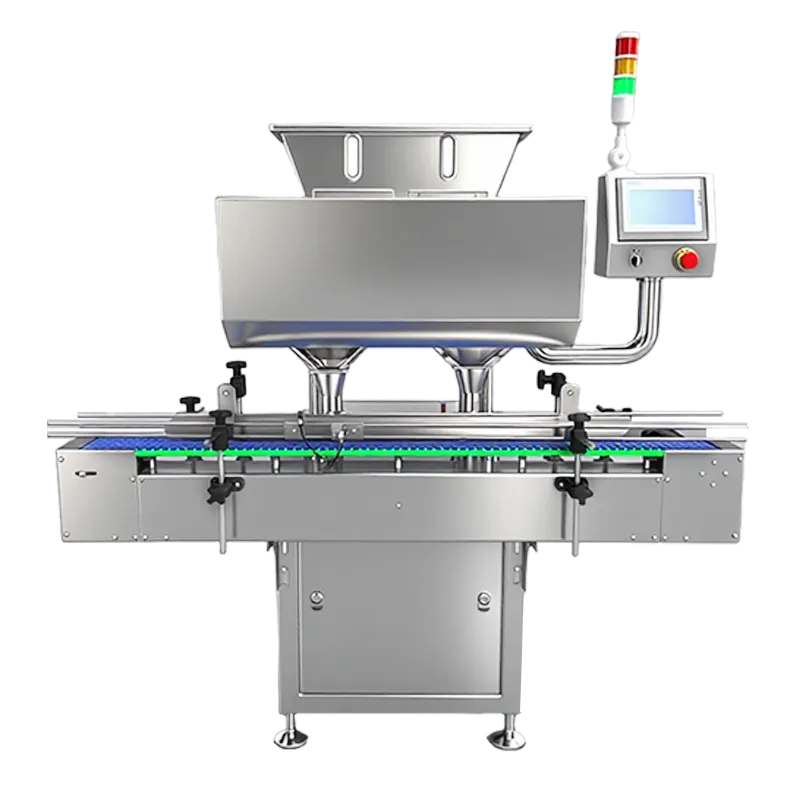
Missed Capsules and Double Counting: Root Causes in Photoelectric Detection and Timing Logic
Photoelectric sensors misinterpret capsule presence when feed speed deviates from optimal ranges—either too fast (causing missed detections) or too slow (triggering double-count logic). Timing inconsistencies exceeding 50 milliseconds account for 78% of double-count errors, per 2024 pharmaceutical automation studies. Key contributors include:
- Reflective interference: Dust buildup or high-gloss capsule coatings generate false triggers
- Inconsistent feed rates: Vibratory chute speed fluctuations create sensor blind spots
- Calibration drift: Sensitivity thresholds degrade after 4 hours of continuous operation
Modern systems achieve 99.4% accuracy by synchronizing infrared sensors with PLC-based timing circuits. Technicians must maintain ±1mm sensor-to-conveyor gaps and perform daily calibrations to prevent cascading failures.
Case Study: Dual-Sensor Validation System Reduces Double Counts by 92%
Operators refined validation thresholds to 0.1mm precision—demonstrating that multi-sensor redundancy and millisecond-scale timing synchronization resolve 9 out of 10 sensor-related miscounts in cGMP environments.
Calibration Drift and Accuracy Degradation Over Time
Why Count Accuracy Declines After 4–6 Hours of Continuous Operation
The accuracy of these sensors tends to drop off mainly because of heat issues when they run for long periods. After about four hours or so, the internal components start warming up, which makes metals expand somewhere between 0.1 to 0.3 millimeters. At the same time, the infrared detection gets thrown off by around 15%. What happens next? Well, there are these cumulative errors. Sometimes the light path gets partially blocked, leading to missed capsule counts. Other times, fast moving capsules get registered as just one instead of multiple. And don't forget about vibrations from all that high speed movement. These vibrations make things worse, particularly when temperatures climb past 25 degrees Celsius. Research shows thermal stress at those temps speeds up calibration problems by about 40%. Oh, and dust buildup on those optical lenses isn't helping either. It cuts down how well light passes through, which means we start seeing more false negatives once we hit roughly 120 thousand counted items.
Optimizing Sensor Thresholds and Millisecond-Level Timing for Stable Performance
Stable performance requires precise coordination of three interdependent parameters:
- Light sensitivity thresholds, adjusted to ±3% tolerance bands
- Timing gates, synchronized within 5ms windows
- Signal processing algorithms, filtering mechanical vibration noise
Top industrial sites typically hit around 99.8 percent accuracy thanks to their automated systems that constantly adjust for temperature changes over time. These facilities make small but important tweaks to detection thresholds roughly every half hour, checking everything against those standard test capsules we all know and love. The gates themselves are timed down to the millisecond so they shut just right when capsules pass through, avoiding any accidental double counts. There are also backup sensors placed strategically throughout the system that double check numbers at key points along the way. All these different factors working together cut down on calibration mistakes by almost 95% when dealing with large scale manufacturing operations.
Material and Mechanical Factors Affecting Capsule Counting Machine Reliability
Sticky, Deformed, or Static-Prone Capsules Causing Feed Blockages and False Rejections
The actual physical characteristics of capsules play a major role in how reliably they can be counted during processing. When working with hygroscopic gelatin formulas, problems start showing up once the surrounding air reaches over 60% relative humidity. At this point, capsules tend to stick together and form clumps inside the feed chutes. Capsules that have been heat warped or simply have thin walls often cause jams because they don't line up properly with the sensor array. Things get even worse in dry conditions where powders become statically charged and stick to surfaces, making machines think some slots are empty when they're actually filled. These kinds of issues lead to two main problems on production lines mechanical blockages that force emergency shutdowns and false rejection rates where good capsules get thrown away unnecessarily. Implementing proper environmental control measures along with specific handling procedures for different materials goes a long way toward minimizing these costly mistakes.
Operator-Induced Errors and Suboptimal Parameter Settings
Critical Setup Pitfalls: Filling Dropper-to-Bottle Distance and Pneumatic Sensitivity
About two thirds of all counting errors come down to just two things operators can control: how far the dropper sits from the bottle and the sensitivity of the pneumatic system. When the dropper isn't positioned right, capsules either get damaged during dispensing or simply bounce right out of the container. And if the air pressure isn't set properly, the machine just won't suck them in correctly. A good rule of thumb is keeping around 15 to 20 millimeters between the tip of the dropper and where it meets the bottle neck. This simple adjustment goes a long way toward preventing those frustrating jams everyone hates dealing with. As for the pneumatic part of things, it's important to check those suction levels every week with proper calibration weights. Regular maintenance here makes all the difference in day to day operations.
- Verify distance settings after bottle size changes
- Test sensitivity across capsule weight variations
- Document all adjustments in machine logs
Proper training cuts these errors by 89%, per pharmaceutical equipment studies. Enforce setup checklists and require supervisor sign-off for parameter changes.
FAQ
What causes sensor-related counting errors in capsule counting machines?
Key factors include reflective interference, inconsistent feed rates, and calibration drift. These issues can cause photoelectric sensors to misinterpret capsule presence, leading to missed detections or double counts.
How does calibration drift affect capsule counting accuracy?
Calibration drift, often caused by long operating hours and heat issues, leads to sensitivity threshold degradation, resulting in higher rates of missed capsule counts and miscounts.
What measures can be taken to enhance counting accuracy?
Implementing dual-sensor validation systems, optimizing sensor thresholds, and synchronizing timing gates within precise windows can significantly enhance accuracy. Regular maintenance and environmental control are also crucial.