 EN
EN

Capsule Counting Machine Types and Corresponding Price Tiers
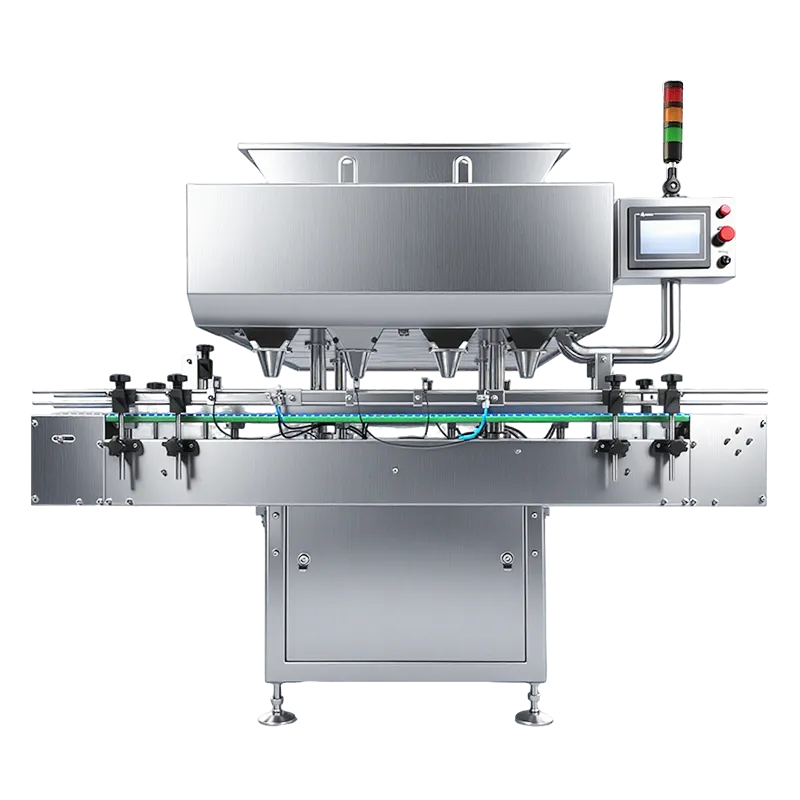
Manual capsule counting machines: lowest entry cost, limited scalability
For businesses just getting started, manual capsule counting machines are usually the cheapest option around, often costing less than five thousand dollars. People operating these machines typically use trays with holes in them or basic mechanical tools to count capsules. That makes these kinds of equipment great choices for new companies or smaller nutraceutical operations that handle under 500 bottles each day. The downside is pretty clear though. These manual systems generally aren't very accurate, hitting about 95% at best. And because humans get tired, they can only process roughly 15 to maybe 20 bottles every minute. Another big problem? They don't have the electronic tracking features needed for proper manufacturing standards like cGMP. So if someone needs to meet those regulations for pharmaceutical products, manual counting just won't cut it.
Semi-automatic capsule counting machines: balance of affordability and efficiency
The semi automatic models sit somewhere in between completely manual operations and those totally automated setups, costing anywhere from around fifteen thousand up to forty grand based on what options get added. What makes them work so well is their mix of automatic counting through either optical or vibratory sensors alongside the need for some hands on bottle movement. Most hit about 99.5 percent accuracy rates when they're running, moving roughly thirty to fifty bottles every minute which is actually three times faster than someone could count manually. The nice thing about these systems is how easy it is to upgrade later on. Want to add a checkweigher down the road? No problem. Looking to slap labels on products? Just slot one in. Maintenance usually runs between five and seven percent of the original price tag each year, making them pretty cost effective over time. For companies making anywhere from a thousand to five thousand items per day, these machines offer great bang for buck while still keeping all the necessary paperwork straight without breaking into full blown automation expenses.
Fully automatic capsule counting machines: premium investment for high-volume GMP compliance
At the top end of the market ($75k to $250k), fully automated systems cater to pharmaceutical operations needing strict adherence to cGMP standards and FDA regulations. These advanced machines boast impressive 99.9% accuracy thanks to their built-in vision technology, processing anywhere between 100 to 150 bottles each minute without any human oversight required. The equipment is constructed from SS 316L stainless steel which makes it compatible with the rigorous cleaning procedures needed in regulated environments. Plus, the onboard software creates electronic batch records that meet all requirements under 21 CFR Part 11. While the price tag is definitely steep upfront, most manufacturers find they recoup their investment within 18 months when running at least 10,000 units per day, largely because of significant reductions in labor costs ranging from 50% to 70%. Keep in mind though, getting those IQ/OQ/PQ validations done will tack on another 10-15% to the base cost, but this extra expense pays off handsomely by ensuring everything meets regulatory expectations right from installation day.
Key Factors That Determine Capsule Counting Machine Pricing
Throughput Capacity and Automation Level: Direct Impact on Unit Cost
When it comes to capsule filling machines, higher production speed definitely means higher prices, and this usually translates into real money saved over time. Let's break down the options: basic manual machines handle around 200 capsules per minute and typically cost under two grand, making them ideal for small businesses just getting started. The semi-automatic ones go up to about 1,000 capsules a minute and will set a company back anywhere from five to fifteen thousand dollars. For serious operations needing massive output, there are fully automatic systems that can crank out over three thousand capsules per minute, but these come at a premium price tag ranging from twenty to fifty grand. According to the latest Pharmacy Automation Report, businesses using semi-autos save roughly thirty percent on counting labor costs compared to manual methods. And those who invest in full automation see even bigger savings, cutting labor expenses by as much as fifty-seven percent when running at high volumes.
Material Construction and Regulatory Certification: Stainless Steel, cGMP, and FDA Readiness Premiums
Using pharmaceutical grade stainless steel (SS 316L) for equipment construction typically increases base costs by around 15 to 25 percent, but it's really necessary if we want machines that resist corrosion, stay clean, and last longer in regulated settings. The same goes for incorporating regulatory compliance features right from the start. Things like FDA 21 CFR Part 11 audit trails and being ready for EU GMP validation add another 10 to 30 percent to the price tag. And let's be clear these aren't just nice to have extras. Facilities that don't meet regulations often end up paying steep fines. A recent 2023 study by the Ponemon Institute found average penalties hovering around $740,000. Smart manufacturers build these requirements directly into their hardware and software designs instead of trying to bolt them on later. This approach saves money down the road when retrofitting becomes necessary and makes audits much less stressful overall.
Total Cost of Ownership for a Capsule Counting Machine
Beyond purchase price: installation, IQ/OQ validation, operator training, and preventive maintenance
When looking at the big picture, what most people call the purchase price actually represents just around half (typically between 40 to 60 percent) of what it really costs to own a machine throughout its entire life. Getting the equipment installed usually means making changes to existing facilities too. Think about things like upgrading electrical systems, running new compressed air lines, and setting up workstations that are comfortable for operators day after day. Then there's the whole IQ/OQ validation process that manufacturers must go through for compliance with good manufacturing practices. This adds roughly another 15 to 20 percent to upfront costs because companies need detailed documentation on everything from basic testing to complex calibration procedures. Training staff isn't just about ticking boxes either. Well trained operators can cut down counting mistakes by nearly a third, which is why smart businesses treat this as something they need to keep investing in year after year. Regular maintenance agreements typically run between 7 to 10 percent of the original machine cost each year, but they're worth every penny since they stop about four out of five unexpected breakdowns. Companies that skip these important steps end up facing production stoppages, failing inspections during audits, or dealing with expensive fixes later on. That's exactly why doing a thorough total cost of ownership analysis makes so much sense before buying anything new.
Making a Smart Investment in Your Capsule Counting Machine
Getting a capsule counting machine requires looking past the initial price tag to consider things like how well it will work over time, whether it can handle regulations, and if it can grow with the business. Start by figuring out where things are getting stuck right now. How much does each worker cost? What percentage of products get messed up and need redoing? And how fast can they actually produce stuff? For smaller operations making less than around 5,000 units daily, semi-automatic machines often give the best return on investment. They strike a good balance between getting some automation benefits without breaking the bank on both upfront costs and ongoing expenses. Big pharma companies dealing with massive volumes need fully automatic systems though. These aren't just about going faster either. The real value comes from built-in compliance features, better control over contamination risks, and ready-made records for audits because when something goes wrong in this industry, there's no room for error. Don't forget all the stuff that happens after buying too. Installation takes time, then there's validation processes like IQ/OQ/PQ to deal with. Training staff properly matters a lot, as do those service agreements. Working with manufacturers who provide ongoing tech support, keep spare parts in stock, and regularly update their software makes all the difference. A good machine stops being just another expense and becomes something that keeps adding value with each successful production batch.
FAQ
What factors affect the price of a capsule counting machine?
The price of capsule counting machines is affected by factors such as throughput capacity, automation level, material construction using pharmaceutical-grade stainless steel, and regulatory certifications like cGMP and FDA compliance.
Why is stainless steel used in capsule counting machines?
Stainless steel (SS 316L) is used because it resists corrosion, stays clean, and withstands the rigorous cleaning procedures required in regulated pharmaceutical environments.
What is the benefit of fully automatic capsule counting machines?
Fully automatic machines offer high throughput and accuracy, significant labor cost reductions, and compliance with cGMP standards and FDA regulations, which are essential for high-volume pharmaceutical operations.