 EN
EN

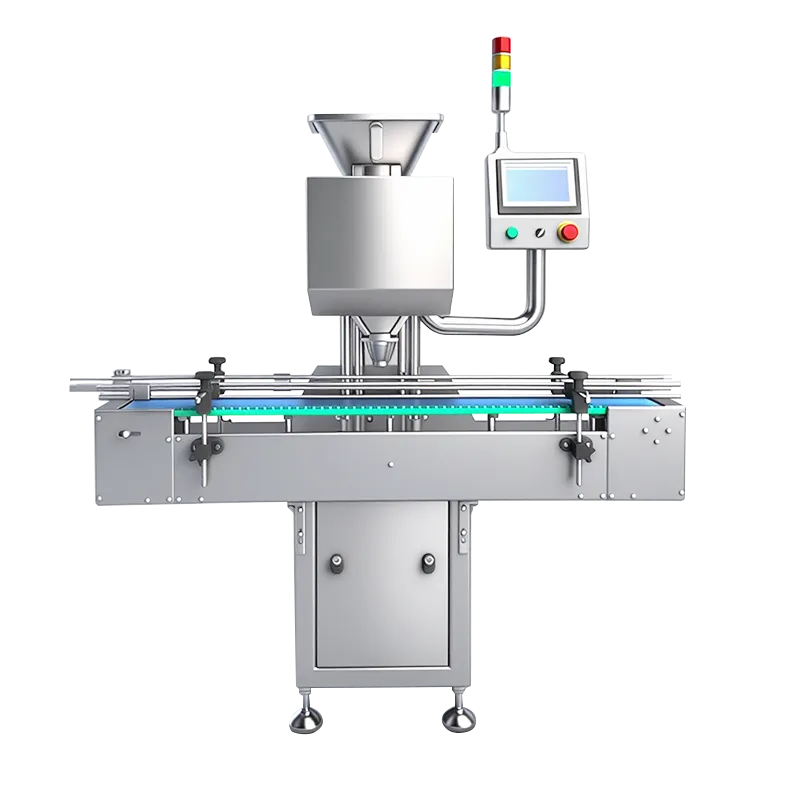
Regulatory Compliance and Quality Assurance of Capsule Counting Machine: Why Automation Strengthens GMP and FDA Adherence
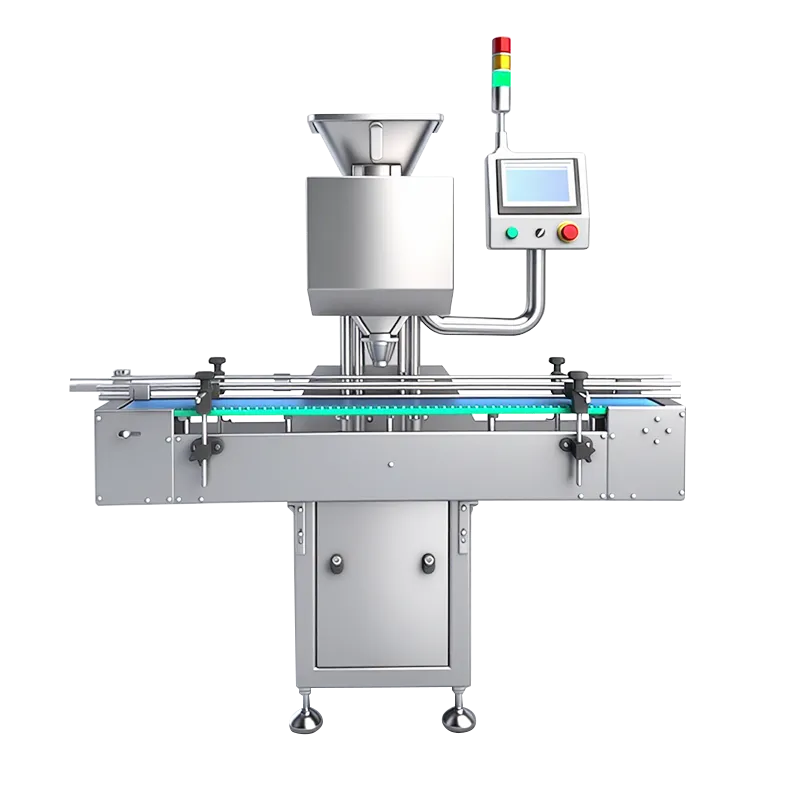
Accuracy thresholds and validation requirements for capsule counting machines under FDA and EU GMP guidelines
The rules for pharmaceutical manufacturing require capsule counting machines to have no more than 0.1% counting errors according to FDA regulations 21 CFR 210/211 and the EU's Annex 11 guidelines. Automated systems achieve compliance through a three step process called IQ, OQ, and PQ which checks everything from installation to actual performance in production runs. These qualifications help maintain accuracy batch after batch. On the other hand, when companies use semi automatic equipment they end up spending way more time on validation because people have to double check so much manually. Industry reports from early 2024 show these manual processes actually increase validation workloads by about 37%, which naturally makes auditors take a closer look at those operations too.
Contamination control: closed-loop automatic capsule counting machine systems vs. human-intervention semi-automatic designs
The absence of operator interaction in fully automatic systems supports robust adherence to GMP environmental controls without added procedural complexity.
Audit trails, electronic records, and data integrity — how fully automatic capsule counting machines simplify 21 CFR Part 11 compliance
Automatic capsule counting machines come with built-in security features that create time-stamped records complete with digital signatures, which means they meet all those tricky FDA 21 CFR Part 11 standards about keeping data intact. The system keeps track of who logged in, what settings were used during counts, how batches match up, and even flags when something goes off track. No more scribbling notes in those paper logs that people inevitably forget to update. We've seen these manual errors show up in almost 3 out of every 10 Form 483 inspections. For companies still using semi-automatic methods, things get really messy fast. Paperwork gets scattered between different systems, creating big compliance holes according to our 2024 tests (around 6 out of 10 cases had problems). When manufacturers build traceability right into their daily operations instead of tacking it on later, data integrity stops being this burdensome regulatory requirement and becomes something valuable that actually supports day-to-day work.
Throughput, Labor Efficiency, and Scalability: Matching Capsule Counting Machine Capacity to Your Production Volume
Speed Benchmarks: From 300 to 2,500 Capsules/Minute — Evaluating Real-World Output Across Automation Tiers
The ability to handle volume determines how well a production line can scale up operations. Semi automatic equipment typically handles between 300 to 800 capsules per minute, which works fine for testing batches or smaller compound runs. The fully automatic alternatives crank out anywhere from 1200 to 2500 capsules each minute thanks to features like built in vibratory feeders and those fancy optical sensors that eliminate the need for constant manual feeding. For someone running a mid sized operation making around 100 thousand units every day, they'd probably need three of those semi automatic machines compared to just one full automation setup. What makes automation so valuable though is maintaining tight tolerances even when pushing maximum speeds. These systems stay within plus or minus half a percent accuracy throughout production, while semi automatic versions tend to introduce inconsistencies because humans have to get involved during operation, especially when scaling up production volumes.
The Labor Inflection Point: When Semi-Automatic Capsule Counting Machine Operations Become Cost-Ineffective Beyond 50,000 Units/Day
The bottom line on running any production facility comes down to labor expenses in the long run, and this determines when companies should consider going fully automated. Looking at industry standards, we find that semi automatic setups start becoming problematic once they hit around 50 thousand capsules per day. Why? Well, staffing requirements jump significantly here - about 1.5 full time employees needed per machine compared to just 0.2 on automated lines. Plus there's all that wasted time during manual counts which eats up roughly 15 to 20 percent of each shift. And let's not forget about those natural limits on how fast things can move through without automation help. When facilities cross into the 200k plus range every day, switching to full automation typically reduces labor costs between 60 and 70 percent. What's more, it allows for straightforward expansion as demand grows. Many manufacturers who make over 200 thousand units report getting rid of bottlenecks completely and moving their workers into better quality control positions instead of repetitive tasks. This pattern shows up again and again in actual pharmaceutical plants that have made the switch from partial to complete automation systems.
Total Cost of Ownership: Upfront Investment, Operational Costs, and ROI Timeline for Capsule Counting Machines
Capital expenditure comparison: $8K–$15K (semi-automatic) vs. $45K–$120K (automatic) — with industry benchmark pricing
Upfront cost is only part of the picture: capital expenditure accounts for just 35–45% of total ownership. Semi-automatic systems range from $8,000–$15,000; fully automatic models span $45,000–$120,000—reflecting differences in engineering sophistication, capacity, and embedded compliance features like IoT connectivity and Part 11–ready software.
Hidden TCO factors: training, downtime, recalibration, and labor overhead in semi-automatic capsule counting machine workflows
Operational expenses constitute 55–65% of lifetime cost—and where semi-automatic systems incur disproportionate burdens:
- Labor: 2–3 operators per shift vs. 1 for automated lines
- Downtime: Manual handling increases error-related stoppages by 5–8% (Virtu.net TCO analysis)
- Recalibration: Weekly adjustments for semi-automatic units vs. quarterly for automated systems
- Training: 40+ annual hours per operator vs. 10 for automated workflows
Capsule Type Flexibility and Handling Performance: Where Semi-Automatic Capsule Counting Machines Still Excel
Managing variability: gelatin vs. HPMC capsules, irregular shapes, and coated tablets — operational trade-offs by automation level
Semi-automatic systems retain a distinct advantage when handling high-variability products: gelatin capsules (sensitive to humidity-induced expansion), hygroscopic HPMC variants, oblong or irregularly shaped tablets, and delicate enteric-coated formulations. Direct operator oversight allows real-time adjustments—reducing jamming by 40% compared to rigidly programmed automatic workflows.
For niche applications—such as small-batch production of size 5 enteric-coated tablets—semi-automatic intervention keeps rejection rates below the 2% industry standard (2023). This makes them the pragmatic choice for facilities managing broad capsule diversity at volumes under 10,000 units/day, where flexibility outweighs throughput demands.
FAQ Section
What are the key compliance standards for capsule counting machines?
The key compliance standards include the FDA regulations 21 CFR 210/211 and EU's Annex 11, requiring capsule counting machines to maintain no more than 0.1% counting errors.
How does automation impact contamination control in capsule counting?
Automation reduces human contact in the counting process, lowering particulate contamination significantly, whereas semi-automatic systems show higher contamination due to increased manual interventions.
Why is 21 CFR Part 11 important for capsule counting machines?
21 CFR Part 11 is crucial as it ensures data integrity and security, providing time-stamped records and electronic signatures, which are facilitated by automated systems to streamline compliance.
At what production volume does automation become more cost-effective than semi-automatic systems?
Automation becomes more cost-effective beyond a production volume of 50,000 capsules per day due to its efficiency in reducing labor costs and manual errors.
Are there any advantages of using semi-automatic systems for capsule counting?
Semi-automatic systems may excel in handling high-variability products, such as gelatin capsules or irregularly shaped tablets, providing flexibility for smaller production batches.
Table of Contents
-
Regulatory Compliance and Quality Assurance of Capsule Counting Machine: Why Automation Strengthens GMP and FDA Adherence
- Accuracy thresholds and validation requirements for capsule counting machines under FDA and EU GMP guidelines
- Contamination control: closed-loop automatic capsule counting machine systems vs. human-intervention semi-automatic designs
- Audit trails, electronic records, and data integrity — how fully automatic capsule counting machines simplify 21 CFR Part 11 compliance
- Throughput, Labor Efficiency, and Scalability: Matching Capsule Counting Machine Capacity to Your Production Volume
- Total Cost of Ownership: Upfront Investment, Operational Costs, and ROI Timeline for Capsule Counting Machines
- Capsule Type Flexibility and Handling Performance: Where Semi-Automatic Capsule Counting Machines Still Excel
-
FAQ Section
- What are the key compliance standards for capsule counting machines?
- How does automation impact contamination control in capsule counting?
- Why is 21 CFR Part 11 important for capsule counting machines?
- At what production volume does automation become more cost-effective than semi-automatic systems?
- Are there any advantages of using semi-automatic systems for capsule counting?