 EN
EN

Why Pharmaceutical Manufacturers Choose High-Speed Capsule Counting Machines
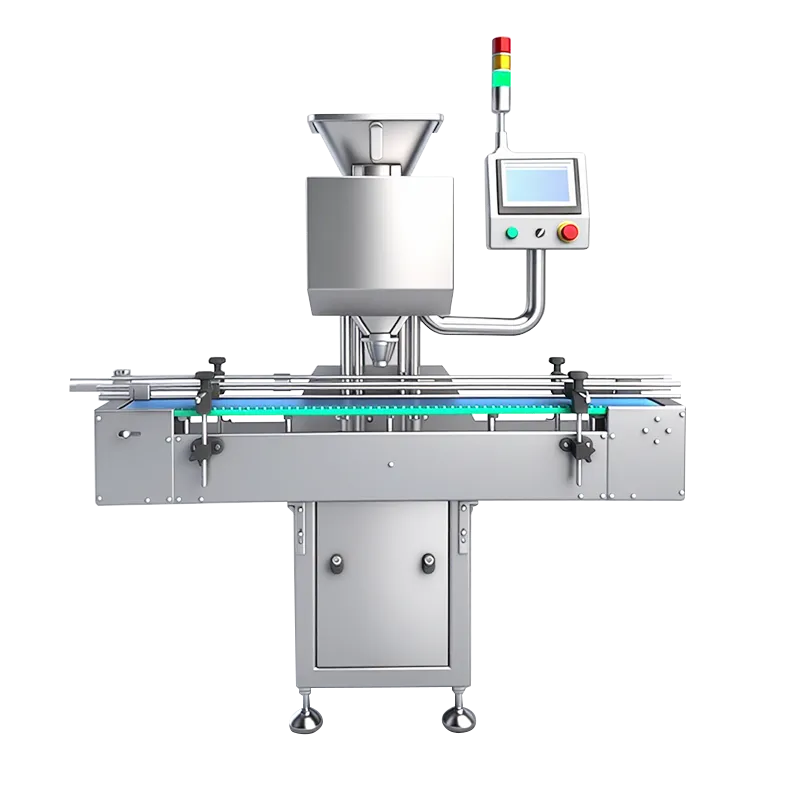
More and more drug companies are turning to those fast capsule counters to get past those annoying production holdups without sacrificing quality or running afoul of regulations. The old way of counting by hand was error prone too many times before these machines came along. We're talking about around 5% mistakes when people did it manually, which could lead to serious problems with patient safety. Today's equipment hits about 99.9% accuracy according to tests done under FDA guidelines for good manufacturing practices. They do this through clever combinations of light sensors and camera systems that check each capsule individually for position, angle, and whether it's actually there at all. Some facilities report dramatic reductions in waste since implementing these systems.
The speed difference makes all the difference. Manual counting gets through around 100 capsules each minute, but high speed systems can handle over 1,000 per minute. For plants making half a million units every day, this means needing just 20% of the usual staff. Labor costs drop dramatically, and workers get shifted to jobs that actually matter, like doing final quality checks and validating processes. These machines run non-stop too, so there's no waiting around for breaks between batches as happens with manual work. Throughput jumps by somewhere around 40% in most cases. Beyond just running faster, these systems help meet FDA cGMP standards straight out of the box. Nobody wants to deal with compliance fines averaging $500k per problem, so getting this right matters a lot. Most plant managers look at these tangible benefits when shopping for new counting equipment: better accuracy, easier scaling up production, and peace of mind knowing they won't face inspection issues down the road.
Critical Limitations of High-Speed Capsule Counting Machines
High speed capsule counters have their perks but run into some real world problems when actually put into operation. Workers still need to get involved at several critical stages. For instance, someone has to load those empty vials into the machine and take out the ones that are already filled. This means we can't completely eliminate labor costs, plus there's always the risk of spills happening during handling or accidentally processing the same batch twice. The machines themselves aren't smart enough to fix these mistakes automatically. If companies don't create strict protocols for these manual tasks, all the precision improvements from automation could basically go down the drain.
Technical limitations arise with specialty formulations. Irregularly shaped capsules, oversized softgels, or heavily coated tablets frequently cause misfeeds, optical misreads, or mechanical jams—triggering unplanned downtime. Resolving such issues demands skilled technicians, eroding efficiency and increasing mean time to repair (MTTR).
The reliability of operations gets hit when supply chains aren't stable enough. Getting hold of things like properly calibrated optical sensors, exact feed components, and officially certified replacement parts has become a real headache because of all the ups and downs in global shipping these days. When there are disruptions, installations get delayed and maintenance gets postponed, which means companies end up spending anywhere from 15% to 30% more on operations according to what most industry folks report. And then there's the whole mess with changing FDA regulations and cGMP requirements too. Software validation needs, keeping detailed audit trails, and managing changes properly mean equipment often needs hardware upgrades and requalification over time. All this adds layers of complexity to how much something actually costs in the long run. For anyone trying to figure out if an investment makes sense, they need to look at return on investment carefully, taking into account specific production volumes at each location, what products are being made there, and how mature their regulatory compliance processes already are.
How Core Technologies Enable Speed and Accuracy in Capsule Counting Machines
Optical Sensors and Machine Vision for Defect Detection and Orientation Verification
Modern capsule counting relies on high resolution cameras equipped with infrared lighting working together with multiple optical sensors across different points. These setups consistently hit around 99.9% accuracy during actual production runs. The system takes pictures of capsules really fast and analyzes them within milliseconds. It checks if the capsules are properly oriented, spots any issues on their surfaces like cracks, color changes or foreign substances, and catches cases where two capsules get fed together or overlap before packaging happens. Special software built into these machines can pick out even tiny problems without making the whole process slower. This means bad capsules get rejected automatically right there on the production line. Compared to what humans could do manually, this tech offers much better consistency since everything gets recorded objectively and can be checked again later. Plus, it meets all those important FDA standards mentioned in 21 CFR Part 11 and Annex 11 requirements for documentation and traceability.
Precision Feed Systems and Vibration-Controlled Hoppers for Consistent Throughput
The combination of vibration controlled hoppers and servo driven feed systems ensures that capsules move through in a neat line one after another, regardless of their size from 00 down to 5 or what materials they're made from. By adjusting how intense the vibrations are, these machines can separate capsules without causing damage or making them stick together. Load sensors built right into the system then adjust the feeding speed based on what's needed further along the line. These modern setups cut down on jams compared to older mechanical feeders by around 85 percent according to research published by Pharma Tech last year. Plus, operators don't have to worry about inconsistent output between different shifts or when new people take over. When paired with optical check systems, the whole operation keeps errors under control at less than 0.3%. This kind of reliability makes scaling up production much easier for manufacturers who need consistent results day after day.
Selecting the Right Capsule Counting Machine: Key Evaluation Criteria
When it comes to picking out capsule counting machines, pharma companies need to take compliance seriously from day one. First things first though production capacity matching is key. The machine should handle at least 15% more than what's needed during peak times so there's room for expansion down the road and no holdups in the manufacturing line. Then there's the whole accuracy question. Don't just go by what looks good on paper. Real world testing matters most. Find equipment that has been tested independently and shows errors below 0.1% even when things get tricky like dealing with different sized capsules or working in dim lighting situations. Lab results alone aren't enough these days.
When looking at how versatile equipment really is, there are several factors worth considering together. Machines with adjustable hoppers, modular feed chutes, and vision systems that can be programmed for different settings make switching between capsule types much faster without wasting time on recalibrations. Compliance with regulations isn't something we can ignore either. Make sure to check if the system comes with already validated IQ/OQ documentation, maintains proper electronic records, has good control over who accesses what data, and works well with whatever MES or LIMS systems are already in place at the facility. And don't forget about costs beyond just buying the machine itself. Think about running expenses too - how much power it consumes daily, when regular maintenance will be needed, how long parts like sensors last before needing replacement or recalibration, plus any fees associated with software updates over time. Taking all these elements into account helps create operations that stand up to scrutiny during audits while still making financial sense in the long run.
FAQ
What are the main benefits of using high-speed capsule counting machines in pharmaceuticals?
High-speed capsule counting machines offer increased accuracy, higher throughput, reduced labor costs, and help in meeting FDA cGMP standards, which are important for avoiding compliance fines.
What are some limitations of high-speed capsule counting machines?
These machines still require manual involvement for tasks such as loading and unloading, are prone to technical limitations with specialty formulations, and can face reliability issues due to unstable supply chains and changing regulations.
How do optical sensors and machine vision enhance the accuracy of capsule counting?
Optical sensors and machine vision allow for high-resolution imaging and analysis of capsules, detecting orientation and defects, which ensures consistent accuracy during production runs.
What should companies consider when selecting a capsule counting machine?
Companies should consider production capacity, accuracy in real-world testing, equipment versatility, regulatory compliance, and long-term operational costs when selecting a capsule counting machine.
Table of Contents
- Why Pharmaceutical Manufacturers Choose High-Speed Capsule Counting Machines
- Critical Limitations of High-Speed Capsule Counting Machines
- How Core Technologies Enable Speed and Accuracy in Capsule Counting Machines
- Selecting the Right Capsule Counting Machine: Key Evaluation Criteria
-
FAQ
- What are the main benefits of using high-speed capsule counting machines in pharmaceuticals?
- What are some limitations of high-speed capsule counting machines?
- How do optical sensors and machine vision enhance the accuracy of capsule counting?
- What should companies consider when selecting a capsule counting machine?