 EN
EN

Capsule Counting Machine : Precision Counting Accuracy and Advanced Sensor Technology
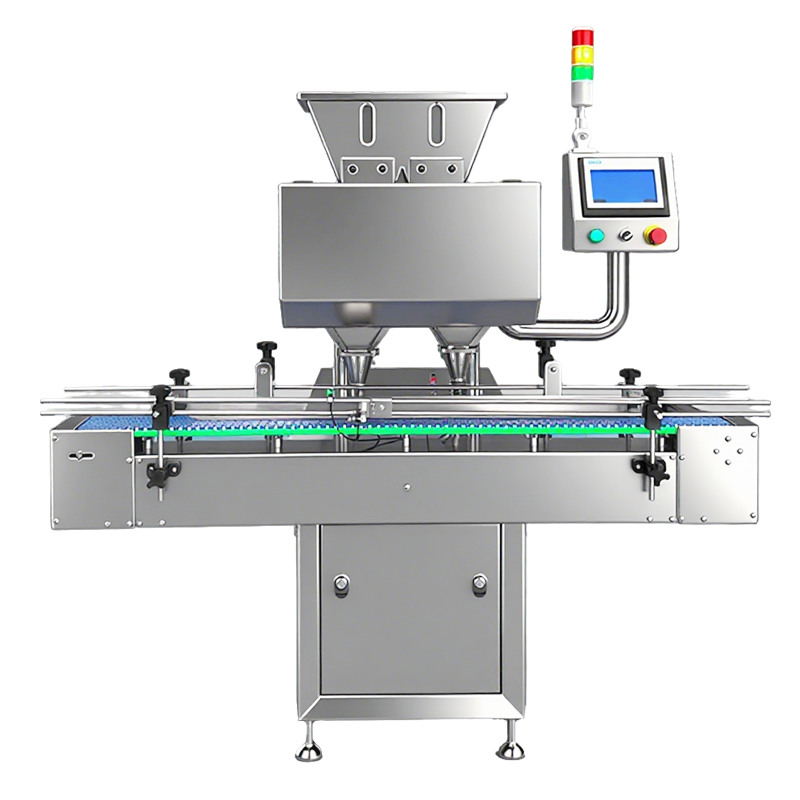
Capsule counting machines of good quality maintain pharmaceutical accuracy thanks to their photoelectric sensors and high precision heads that can spot capsules even when lighting is poor. These advanced sensors tell the difference between whole and broken capsules by scanning with infrared tech that checks edges and surfaces for tiny defects, hitting detection rates over 99.9%. Getting this right matters a lot because it stops underfilled batches which can be a big problem. According to Pharma Tech Journal from last year, keeping error rates under 0.02% cuts down on wasted product by about 15% annually. What makes these systems stand out is how they handle all sorts of capsules too. Whether dealing with gelatin, HPMC, or those opaque ones, the machine adjusts on the fly through its calibration system so accuracy stays consistent throughout each production run without missing a beat.
Photoelectric and High-Precision Sensor Heads for Reliable Detection
Photoelectric sensors work by shooting out infrared beams to count capsules moving through their channels. At the same time, those fancy high precision heads pick up on surface reflections down to the micron level, which keeps things accurate whether we're dealing with regular gelatin stuff or those tricky HPMC formulations. The dual head systems really shine when it comes to spotting problems though. They mix optical sensing with capacitive tech so they can catch air bubbles, cracks, or any little fragments. Only the good ones get counted in the end. These sensor setups hit around 99.95% reliability even when running fast, and tests show they stop more than 95% of dosage mistakes according to Automation Review from last year. The calibration process automatically adjusts how sensitive it needs to be depending on capsule size and shape differences ranging from normal round ones to weird torpedo shaped variants. Plus there are built in cleaning features that wipe away dust before it causes counting issues.
Error Detection Rates and Real-Time Rejection Capabilities
AI systems look at sensor readings and spot problems like double feeds, alignment issues, or size variations within about 100 milliseconds, which allows the machine to reject bad capsules right away through pneumatic means. When something goes wrong, those faulty capsules get sent to locked containers instead of going into production, so there's less chance of cross contamination and the production line keeps moving at over 200 thousand capsules each hour. Machines equipped with feedback loops show error rates dropping below 0.1 percent on big volume lines, saving around fifty grand annually per system according to the Process Optimization Report from last year. All rejected items are recorded for regulatory purposes too, while looking at trends statistically helps catch potential breakdowns before they actually mess up batches.
Versatile Handling of Capsule Sizes, Shapes, and Formulations
Compatibility with Gelatin, HPMC, and Non-Standard Shapes (Oval, Torpedo, etc.)
Capsule counting machines these days need to keep up with all sorts of changes in what pharma companies are asking for, especially when it comes to different materials and weird shapes. Most modern systems handle regular gelatin capsules just fine, but they also work with those plant based HPMC options that vegans prefer and some sensitive formulas that get messed up by moisture. Handling different sizes matters too. The best machines can deal with everything from big #000 capsules holding about 1.37ml down to tiny #5 ones at only 0.13ml. And don't even get me started on the oddball shapes like ovals, oblongs, and those torpedo shaped ones that require special settings for vibrations and positioning. Manufacturers love quick change parts that let them switch between capsule sizes and surfaces (like shiny, dull, or printed ones) without wasting time between batches. This kind of versatility works wonders across applications ranging from large dose supplements to those tiny doses needed for kids, where regular pill counters just cant keep up because capsules come in so many different forms.
Core Mechanical Components and Integrated Rejection Systems
Vibratory Feeding, Alignment Tracks, and Modular Hopper Design
At the heart of this system are three main components working together in harmony. The precision vibratory feeders do the job of separating each capsule so they move along smoothly without getting damaged, which matters a lot when dealing with delicate gelatin or those brittle HPMC shells that can crack easily. Next comes the alignment tracks equipped with photoelectric sensors that check where each capsule is pointing and adjust it if needed before counting begins. This makes sure all the sensors actually make contact properly every time. And what really stands out is how easy it is to switch between different capsule sizes thanks to these modular hoppers. Going from tiny size #5 capsules right up to big #00 HPMC ones takes no special tools and causes absolutely no production delays whatsoever.
Seamless Collection System Integration and Reject Bin Efficiency
After counting is complete, these rejection systems blast away faulty units with precisely aimed air jets whenever sensors detect something wrong, sending them straight into special bins designed to prevent spills (less than one tenth of a percent chance of anything getting out). The good capsules then travel through channels treated to stop static build up right into their final storage containers, keeping everything clean from both electrical charges and microbes. The whole system works as a continuous loop which stops any mixing between batches and keeps things moving at full speed all the time. Top quality machines can catch almost all the bad ones too, around 99.7% or better, without holding up the rest of the production line. This kind of performance isn't just nice to have it's actually required when running large scale operations that need to meet strict manufacturing standards.
Automation Scalability and Regulatory Compliance Support
Matching Capsule Counting Machine Output Capacity to Production Scale
The ability to scale production is really important for facilities dealing with business growth, changes in seasonal demand, or when they want to expand their product range. Equipment that can handle anywhere from 600 capsules an hour right up to 120 thousand per hour covers everything from small research batches all the way through to full scale manufacturing. The modular design of these systems means companies can upgrade individual parts like hopper sizes, feeding mechanisms, and counting channels instead of buying completely new machines when they need more capacity. This matters especially for companies getting into nutraceutical products or working with complicated formulas. These systems come with pre set calibration settings for various capsule types which cuts down on the time lost during machine changeovers by around 40% according to recent industry data from NIST's 2023 survey on pharmaceutical manufacturing.
FDA and EMA Compliance: Audit Trails, Data Integrity, and Validation Readiness
Machines that meet regulatory standards come with built-in tamper proof audit trails that track timestamps, who operated them, when they were calibrated, and record all rejected products. These systems are designed to work within the requirements set out in 21 CFR Part 11 as well as EU Annex 11 guidelines. Many manufacturers find these pre setup GMP validation kits really helpful since they already contain the necessary documentation for Installation Qualification (IQ), Operational Qualification (OQ), and Performance Qualification (PQ). This helps speed things along when getting approval from agencies like the FDA or EMA. The system also flags errors as they happen, making sure data stays intact by recording any deviations, pauses in operation, and running regular integrity checks behind the scenes. Plants that have implemented these kinds of systems saw their problems drop dramatically during recent EMA audits last year according to industry research published in early 2024 showing around a two thirds decrease in reported issues.
FAQ
What are photoelectric sensors used for in capsule counting machines?
Photoelectric sensors utilize infrared beams to count capsules accurately by detecting them as they move through their channels.
How do capsule counting machines maintain accuracy?
They use high precision sensor heads that can detect surface reflections down to a micron level, along with built-in calibration systems to adjust sensitivity based on capsule size and shape.
Why is it important to detect faulty capsules in real-time?
Real-time detection ensures faulty capsules are rejected immediately, preventing them from entering production and thereby reducing the risk of cross-contamination.
Can capsule counting machines handle different capsule types and sizes?
Modern machines are designed to accommodate various capsule types, including gelatin and HPMC, and can adjust to different sizes and shapes automatically.
What role do audit trails play in regulatory compliance?
Audit trails provide tamper-proof records of machine operations, including timestamps and rejected products, which help meet standards set by agencies like the FDA and EMA.
Table of Contents
- Capsule Counting Machine : Precision Counting Accuracy and Advanced Sensor Technology
- Versatile Handling of Capsule Sizes, Shapes, and Formulations
- Core Mechanical Components and Integrated Rejection Systems
- Automation Scalability and Regulatory Compliance Support
-
FAQ
- What are photoelectric sensors used for in capsule counting machines?
- How do capsule counting machines maintain accuracy?
- Why is it important to detect faulty capsules in real-time?
- Can capsule counting machines handle different capsule types and sizes?
- What role do audit trails play in regulatory compliance?