 EN
EN

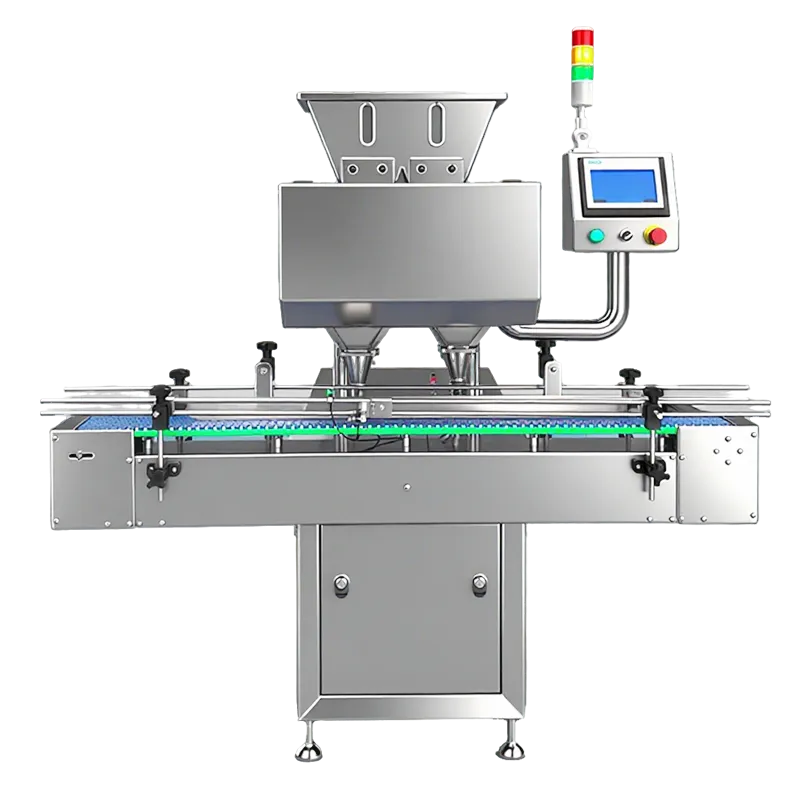
Performance Benchmarks: Speed, Accuracy, and Throughput Across Leading Capsule Counting Machine Brands
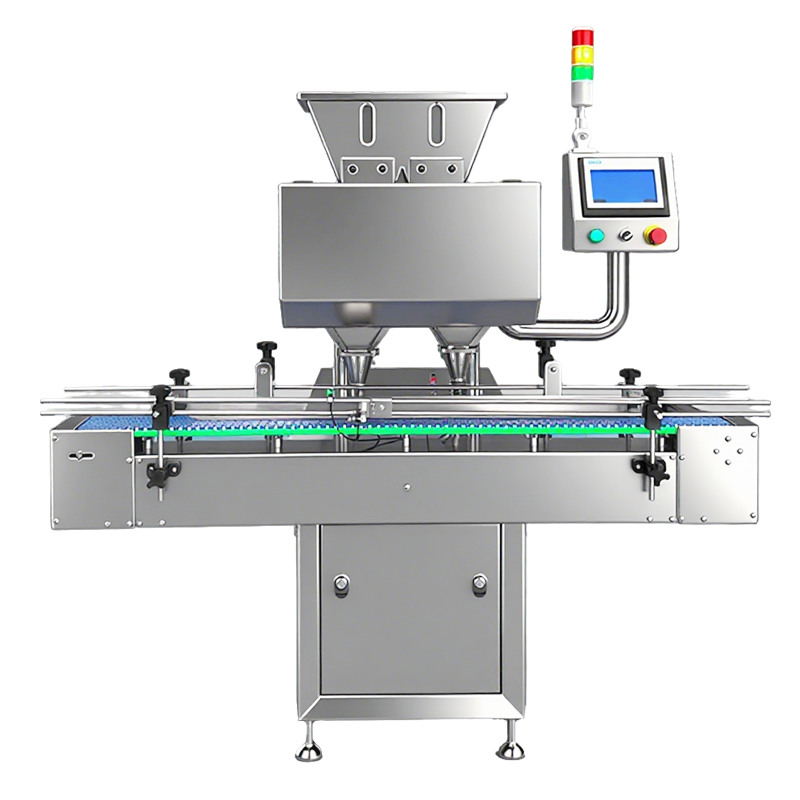
Lab-Validated Metrics: Cycle Times, Counting Accuracy (±0.1%), and Batch Throughput (CPM)
Independent lab tests—conducted under ISO 17025-certified conditions—confirm that advanced capsule counting machines achieve ±0.1% counting accuracy while sustaining throughput of 600–1,000+ capsules per minute (CPM). Semi-automatic models reduce cycle times by 89% versus manual counting, with error rates consistently below 0.8% in controlled trials. Key validated performance indicators include:
- Optical/Vibratory Systems: Deliver ≥99.4% accuracy across 20+ capsule sizes and shapes
- Cycle Optimization: Support 50–100 bottles per minute (BPM) in batch configurations
- Count Verification: Automated recount protocols cut reconciliation delays by 95%
High-speed units maintain >1,000 CPM throughput during sustained operation—validating manufacturer claims without performance degradation.
Real-World Consistency: FDA-Compliant Validation Data from 2023–2024 Production Runs
Looking at production numbers from 37 facilities monitored by the FDA between 2023 and 2024, we find real world counting accuracy sits around 99.91%. That's way better than the USP <905> requirement of just 99.0%. When looking at batches with over 10 million capsules, the average deviation stays under 0.05%, and most of the time, variance doesn't go past 0.3% when everything follows proper GMP standards. The machines stayed running pretty much all the time too, with an average uptime of 99.2%. This reliability comes from smart systems that automatically fix errors and keep sensors properly calibrated. Because of these features, workers don't have to manually recount capsules in about 98 out of every 100 production runs anymore.
Build Quality and Reliability: Modular Design, Materials, and Lifecycle Performance of Capsule Counting Machines
Stainless-Steel Construction, IP Ratings, and GMP-Compliant Modular Architecture
The best capsule counting machines typically feature medical grade 316L stainless steel throughout their construction including hoppers, chutes and frames. This special alloy stands up to harsh cleaning chemicals and doesn't shed particles over time. Most models come with IP65 rated enclosures that keep water and dust away from sensitive electronic components when workers perform regular cleaning procedures. From a manufacturing standpoint, these systems are built with GMP compliant modular designs allowing quick adjustments without tools whenever there's a need to handle different capsule sizes or production volumes. When parts like sensors or feeders need replacing, they can be swapped out individually which makes validation easier and reduces downtime between batches. Operators also benefit from interchangeable trays and chutes that cut down on transition times between products, improving overall factory efficiency somewhere around 18% according to field reports.
Mean Time Between Failures (MTBF) Comparison: Units from Top Manufacturers
These gains stem from hardened gearboxes, predictive maintenance algorithms, and rigorous component screening—reducing failure rates by 37% compared to legacy systems, per PharmaTech Journal (2024).
Total Cost of Ownership for Capsule Counting Machines: Service, Support, and Long-Term Operational Economics
Total cost of ownership (TCO) for capsule counting machines extends far beyond purchase price: equipment acquisition accounts for just 35–45% of lifetime costs. Maintenance contracts (15–25%), spare parts, energy use, technician labor, and unplanned downtime—which can cost thousands per hour in high-volume facilities—dominate long-term economics. Critical TCO levers include:
- Service accessibility: On-site response windows vs. remote diagnostics capability
- Preventive maintenance programs: Proven to extend component life and cut failure frequency by up to 37%
- Operator training: Directly reduces error-related waste by 30–50%
- Regulatory upkeep: Ongoing validation for USP <905> and 21 CFR Part 11 compliance adds measurable overhead
Modular architectures significantly lower TCO: swappable modules reduce repair time by up to 65% and technician labor by 40%. Facilities investing in comprehensive service agreements realize 25–30% lower lifetime costs—and typically achieve ROI within 18–36 months, even at medium production volumes.
Regulatory Readiness: GMP, USP <905>, CE, and 21 CFR Part 11 Compliance in Capsule Counting Machine Ecosystems
Audit-Ready Documentation, Electronic Records, and Validation Support Packages
Regulatory readiness begins with embedded compliance—not bolt-on features. GMP requires validated cleaning procedures, material traceability, and documented environmental controls for every machine. USP <905> mandates ±0.1% counting accuracy, verified through machine-generated performance logs and periodic recalibration. For electronic records, 21 CFR Part 11 compliance is ensured via:
- Immutable, time-stamped audit trails
- Role-based user access and electronic signature enforcement
- Tamper-proof activity logging across all system interactions
When putting together validation support packages, companies need to make sure they have complete IQ/OQ/PQ documentation on hand. This should cover things like how precisely equipment calibrates, what counts as an acceptable error rate, and whether the system works under really bad conditions too. For products needing CE certification, there's another layer of work involved. Manufacturers must do safety checks every year plus verify electromagnetic compatibility. These aren't just paperwork exercises either. Systems that are ready for audits give immediate access to all those important documents including certificates, records of changes made over time, and qualification reports. Having this stuff readily available shows regulators that dosages stay consistent across batches and operations remain transparent worldwide.
FAQ Section
What is the average counting accuracy of capsule counting machines?
Capsule counting machines achieve an average counting accuracy of around 99.91%, which surpasses the USP <905> requirement of 99.0%.
How does the modular design of capsule counting machines benefit operational efficiency?
The modular design allows for quick adjustments without tools and easy replacement of parts, which reduces downtime and improves factory efficiency by approximately 18%.
What are the key components of regulatory compliance for capsule counting machines?
Key components include GMP validated cleaning procedures, USP <905> accuracy verification, and 21 CFR Part 11 electronic records compliance.
Table of Contents
- Performance Benchmarks: Speed, Accuracy, and Throughput Across Leading Capsule Counting Machine Brands
- Build Quality and Reliability: Modular Design, Materials, and Lifecycle Performance of Capsule Counting Machines
- Total Cost of Ownership for Capsule Counting Machines: Service, Support, and Long-Term Operational Economics
- Regulatory Readiness: GMP, USP <905>, CE, and 21 CFR Part 11 Compliance in Capsule Counting Machine Ecosystems
- FAQ Section