 EN
EN

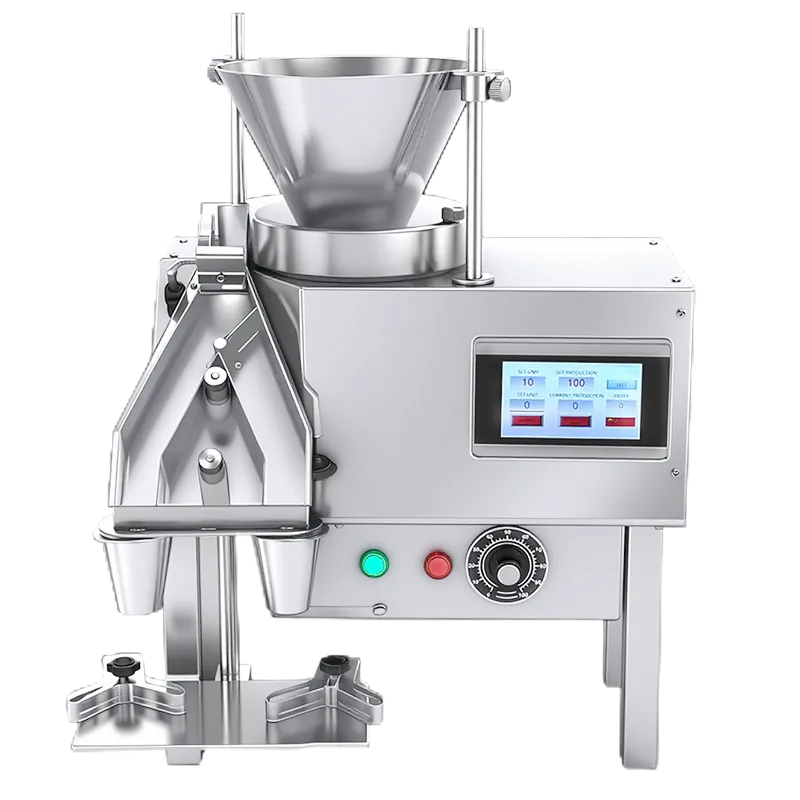
AI-Powered Accuracy: Redefining Precision in Tablet Counting Machines
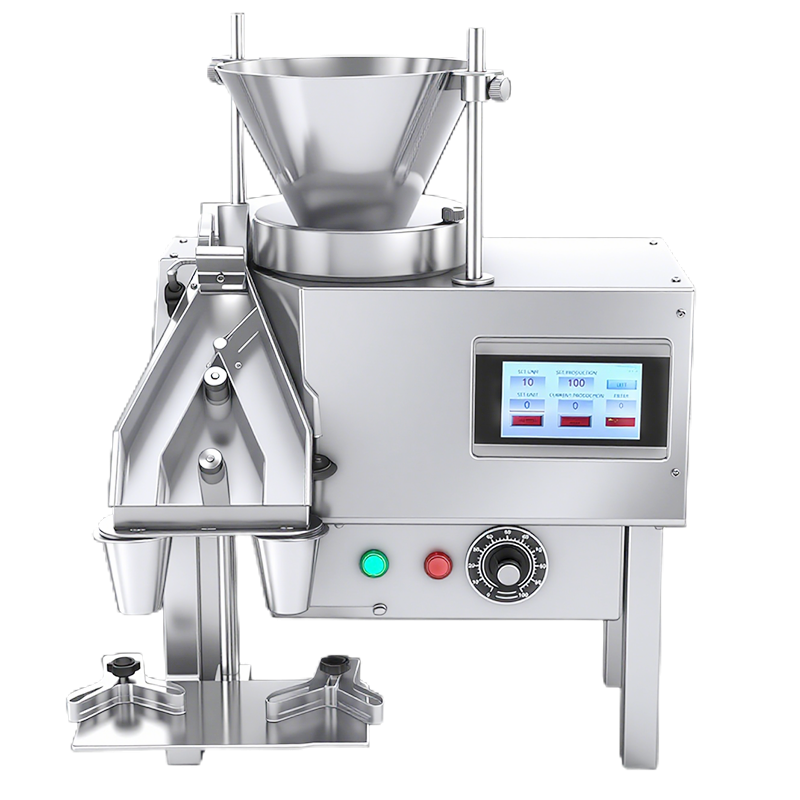
How AI Algorithms Eliminate Human-Error Margins in GMP Environments
Within GMP settings, conventional tablet counting still depends heavily on manual checks which tend to create around 2-3% errors per batch when operators get tired after long shifts. The newer AI counting systems basically wipe out these inconsistencies through something called multi-sensor fusion technology. These advanced machines combine infrared sensors, electrostatic detection methods, and high resolution cameras that together manage about 16 thousand scanning operations every single second. The machine learning software behind them has been fed massive databases of different tablet defects so it can tell the difference between full pills and broken pieces with nearly 99.98% accuracy. Plus, smart algorithms automatically adapt as manufacturers introduce new pill designs or coating materials. For those working with life saving medications, this kind of exactness matters a lot because even small dosage mistakes might trigger FDA inspection reports known as Form 483s. And let's not forget the real time monitoring feature that catches packaging problems before they happen, cutting down potential recalls by roughly forty percent based on recent testing data from quality assurance teams.
Case Study: Vision-AI Integration Cuts Audit Validation Time by 68%
One pharmaceutical company certified under Good Manufacturing Practices recently brought in vision-based artificial intelligence to fix problems with their tablet counting audits. Before this change, workers spent nearly an hour going through paperwork and tracking down mistakes for each batch they produced. The new AI setup handles several critical compliance functions automatically. It uses image recognition technology to capture pictures of tablets along with exact times when they were counted. Special security measures create unbreakable links between individual tablets and their batch records, while automatic warnings kick off investigations whenever something doesn't match up. These improvements cut down validation time dramatically—from almost 45 minutes down to around 14 minutes per batch—and reduced issues found during FDA inspections by over 40%. Another bonus came from predictive capabilities that spotted coating problems before batches went bad, which saved the company about $220k every year on wasted materials. What used to be just another routine job now plays a central role in maintaining regulatory compliance across operations.
Validation metrics based on 12-month production data from GMP-certified facility
Next-Generation Sensing: Overcoming Optical Limits in High-Speed Tablet Counting Machines
Why Legacy IR Sensors Fail Above 300 ppm and How Hybrid Sensor Fusion Solves It
Traditional infrared sensors start acting up when processing more than 300 pills per minute because shiny tablet coatings and odd shapes scatter the light, leading to incorrect counts. The problem isn't just theoretical either - according to Ponemon Institute research from last year, these errors cost companies over half a million dollars annually in recalls alone. That's where hybrid sensor technology steps in. By combining electrostatic field detection with standard IR methods, manufacturers can now spot those tricky situations where dust would fool regular optical systems or when tablets are broken or oddly shaped. When the system checks readings from both types of sensors together, it hits an impressive 99.9% accuracy rate even at speeds past 500 pills per minute, cutting down on costly mistakes by nearly 40%. What really stands out is that this setup keeps working reliably well beyond 800 ppm, making it ideal for facilities dealing with large volumes of medication production.
IoT Connectivity and Real-Time Workflow Integration for Tablet Counting Machines
From Siloed Devices to Synchronized Lines: MQTT-Enabled PLC Integration with Packaging Systems
Old fashioned tablet counters tend to work all on their own, which creates those annoying data islands that mess up how things run smoothly across production lines. When we connect them using MQTT enabled PLCs, it links everything together with this neat little system called publish subscribe that doesn't take much power at all. What happens next? Well, the machine sends out live updates about what's going on with each batch, where they are in the process, and any problems that pop up. Once counting is done, the packaging gear knows exactly what to do without anyone having to touch buttons or enter numbers manually. Just think about container sizes changing automatically based on actual tablet counts! And if something starts vibrating too much, the system will send out warnings so maintenance can happen before breakdowns occur, saving around a third of unexpected stoppages. Temperature issues get attention right away too, stopping processes when needed to keep quality intact. Each individual tablet gets tracked digitally throughout the whole journey from being counted to getting packed, leaving behind an audit trail that nobody can tamper with, which makes meeting FDA regulations much easier. Plus, since this whole setup doesn't need tons of bandwidth, it works great even in factories full of electrical interference, helping manufacturers boost their output by somewhere between 15% and 25%.
Regulatory-Ready Data Integrity: Traceability, Audit Trails, and FDA Compliance
Closing the Gap: How Real-Time Feedback Loops Prevent 41% of Common FDA 483 Observations
Today's tablet counting equipment relies on continuous feedback mechanisms to stay within regulatory boundaries while keeping tabs on operations and fixing problems as they happen during the count. The machines spot all sorts of oddities right away, like tablets that don't look quite right or batches that get shifted out of place, stopping small problems before they turn into big compliance headaches. Looking at actual FDA audit reports shows something interesting: automated monitoring cuts down on those pesky Form 483 observations by around 40 percent, especially when it comes to missing documentation or unrecorded changes in settings. All electronic records meet ALCOA+ standards for good data practices, meaning everything stays traceable back to who did what and when. These records include proper time stamps, operator identifiers, and explanations for any changes made. When connected to packaging systems through MQTT protocols, the whole operation leaves behind detailed audit trails covering every step from start to finish. This means no more tedious manual checks and better tracking across the whole manufacturing chain, from ingredients going in to final product coming out.
FAQ Section
How does AI improve tablet counting accuracy in GMP environments?
AI improves accuracy by using multi-sensor fusion technology to eliminate human errors, achieving nearly 99.98% accuracy.
What benefits does vision-based AI bring to the audit validation process?
Vision-based AI significantly reduces validation time by automating compliance functions and creating unbreakable links between tablets and batch records.
How are hybrid sensors better than traditional infrared sensors?
Hybrid sensors achieve higher accuracy by combining electrostatic and infrared methods, maintaining reliable performance beyond traditional limits, even at high speeds.
What role does IoT play in modern tablet counting machines?
IoT enables real-time updates and synchronization across devices, improving workflow, and boosting manufacturing output by 15-25%.
Table of Contents
- AI-Powered Accuracy: Redefining Precision in Tablet Counting Machines
- Next-Generation Sensing: Overcoming Optical Limits in High-Speed Tablet Counting Machines
- IoT Connectivity and Real-Time Workflow Integration for Tablet Counting Machines
- Regulatory-Ready Data Integrity: Traceability, Audit Trails, and FDA Compliance
- FAQ Section