 EN
EN

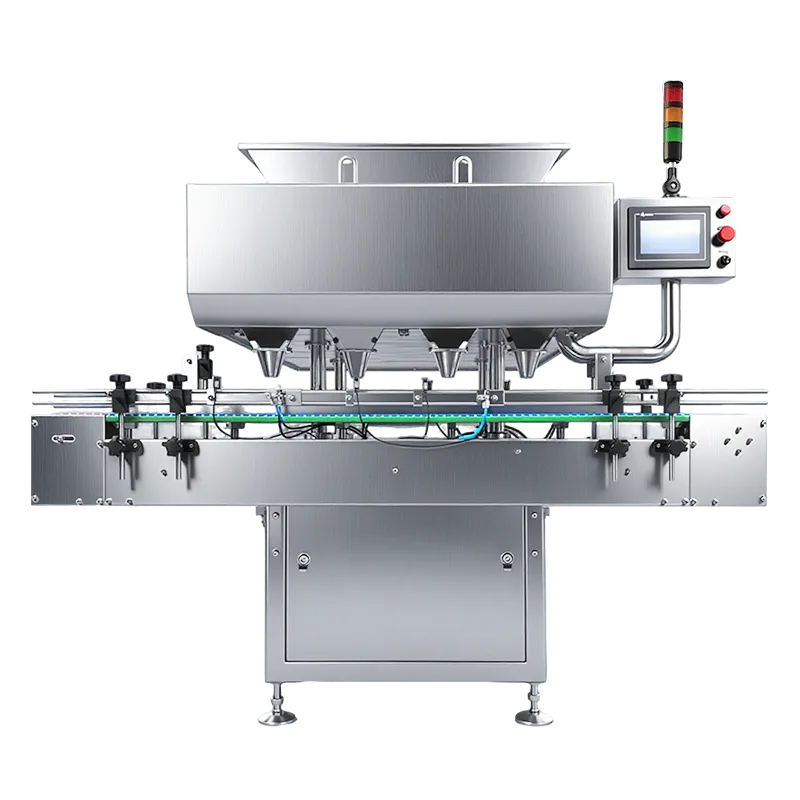
Precision Counting Technology & Error Prevention for Tablet Counting Machines
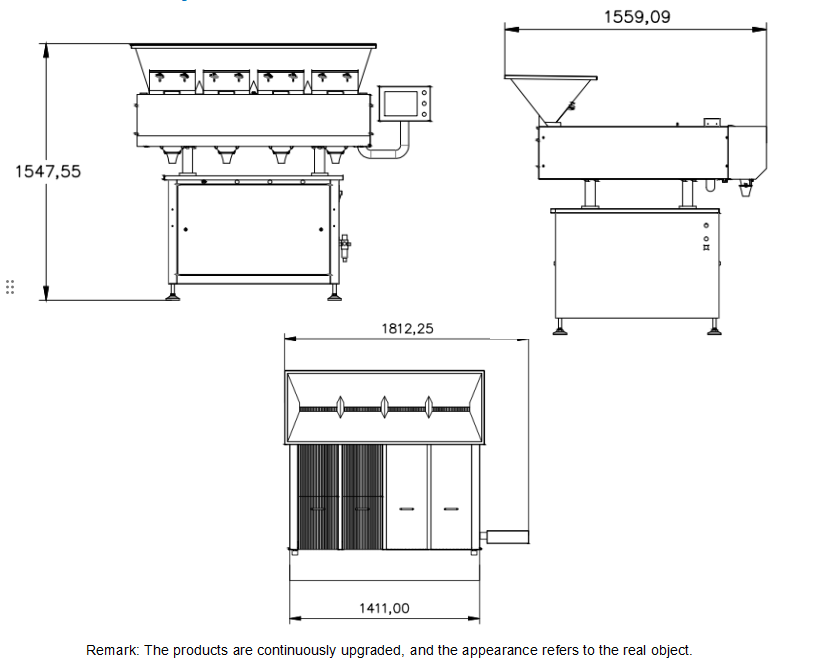
Infrared and Photoelectric Sensors for Real-Time Accuracy
Today's tablet counters rely on infrared and photoelectric sensors to get accurate counts during drug manufacturing. These optical systems actually scan each tablet over 2000 times every single second, picking up on how different pills absorb light so they can tell one from another. No touching means no damaged products either, which is pretty important when dealing with all sorts of pill shapes and sizes while still keeping accuracy within plus or minus 0.1%. What makes these machines really stand out though is their ability to adjust themselves when there are changes in lighting conditions or static electricity messing things up around them. Manufacturers have found that doing calibrations every three months instead of once a year cuts down on counting mistakes by about 41%, something that matters a lot in big scale operations where even small errors could lead to problems with regulations.
Advanced Sensor Fusion to Resolve Stacked or Overlapping Tablets
Combining weight sensing technology with 3D vision creates a much better way to measure things accurately. The system looks at both how deep objects are and how their weight is distributed across surfaces at the same time. What makes this approach so good is that it can tell apart stuck together capsules, broken pills, and items that overlap each other with near perfect accuracy. Even those tricky clear gelatin capsules that fool regular optical sensors don't stand a chance against this method. Whenever something doesn't look right, the machine automatically kicks in rejection mechanisms to remove problematic items from the production line. Over time, smart algorithms learn from what works best with different materials and textures, getting smarter day by day. This kind of advanced detection really matters when dealing with oddly shaped medicines or ones that tend to nest together during counting processes, which happens all too often in pharmaceutical manufacturing settings.
Balancing High-Speed Throughput with Sub-0.1% Error Rates
Keeping error rates below 0.1% while running at full industrial speed demands some pretty sophisticated vibration management along with smart predictive algorithms. These high-speed machines constantly tweak the frequency of their feeders to prevent pills from bumping into each other, which allows them to produce over 300 tablets every single second. Special statistical control systems watch how tablets are being dispensed moment by moment. When they spot something off track, the system will actually slow down the conveyor belt to catch possible counting errors before they become bigger problems. The combination of such fast operation with pinpoint accuracy cuts down on wasted medication by around 23% compared to regular counting methods. And let's not forget those real time feedback systems that keep everything within safe limits, particularly important for medications where even small dose differences matter a lot. Plus, all this data gets logged automatically so companies have ready documentation whenever regulators come knocking.
AI-Driven Vision Systems for Pill Verification
Multi-Parameter Validation: Shape, Color, and Marking Recognition
Vision systems powered by artificial intelligence check pills in multiple ways at once looking at their shape, colors, and any markings they might have. These systems can tell the difference between regular tablets, those weird capsule shapes, and all sorts of other forms. They also use special light technology to spot when something doesn't match up because of wrong coloring. When it comes to the little letters or numbers stamped on pills, the system checks them against big databases full of medication info. Studies from the National Institutes of Health show that checking all three aspects together gets right about 99.9 percent accuracy rate and cuts down on mistakes made during dispensing by almost nine out of ten cases. Regular counting machines just count how many there are, but these smart systems actually confirm what each individual pill is by matching it against massive lists of approved drugs, which adds another important safety measure for patients.
Detecting Transparent Capsules and Fragmented Pills Using AI Algorithms
Traditional infrared sensors just can't handle certain tricky meds, especially those see-through gelatin capsules that look so much alike. The good news is AI steps in where these older systems fall short. With edge detection tech, it spots those hard to see surfaces and reflective areas that trip up regular sensors. Then there's this morphological stuff that actually finds those tiny flaws we miss, like chips on pills or weird contaminants. When it comes to counting, AI really shines at telling apart broken tablets from whole ones, which means no more missing counts and better dosing for patients. Pharmacies that run through around 10k prescriptions each day have seen their error rates drop by about 87% once they brought in AI vision systems. And best of all, this tech works within all the strict regulations pharmacies must follow, fixing problems that happen when pills stack together, get damaged during handling, or simply appear too similar because of their transparent nature.
Regulatory Compliance and Data Traceability
Meeting CGMP, FDA, and CE Standards with Secure Audit Trails
Good audit trails are pretty much required if companies want to stay compliant with all those regulations out there like CGMP, FDA guidelines, and CE marking standards. The secure logs track everything from counting batches through calibration events right down to what each operator does, which gives inspectors something solid to check when they come knocking from places like MHRA or EMA. There's this specific rule in FDA 21 CFR Part 11 about keeping electronic records intact, and similar validation requirements exist across Europe under CE standards too. When systems log data in real time, they catch any deviations as they happen, and having different access levels based on roles helps maintain that important chain of custody throughout operations. Connecting these audit systems with ERP platforms makes it easier to generate reports for compliance purposes, cutting down on paperwork mistakes by around 43% per industry research. Beyond just avoiding those massive fines that can top half a million dollars, strong audit trails actually help resolve issues with medications faster and keep track of products all the way from warehouse shelves to patients receiving treatment.
Choosing the Right Tablet Counting Machine Type
Manual, Semi-Automatic, and Fully Automatic: Accuracy, Speed, and Use Cases
Selecting the right tablet counting machine depends on balancing automation level with operational scale and regulatory demands:
- Manual counters serve low-volume environments like retail pharmacies, offering simplicity at speeds up to 50 tablets/minute, though with higher variability (≈2% error rate).
- Semi-automatic models provide a cost-effective balance for mid-volume production, such as nutraceuticals, processing 500–1,000 tablets/minute with <0.5% error rates.
- Fully automatic systems deliver industrial throughput of 4,000–6,000 tablets/minute and sub-0.1% accuracy, making them essential for large-scale, CGMP-compliant pharmaceutical manufacturing.
Data shows automation reduces counting discrepancies tenfold compared to manual methods. Choosing the appropriate machine type based on throughput needs and compliance requirements maximizes efficiency, accuracy, and return on investment.
FAQ
How do infrared and photoelectric sensors improve tablet counting accuracy?
Infrared and photoelectric sensors scan each tablet over 2000 times every second to detect differences in light absorption among pills. This non-contact method prevents product damage and maintains accuracy within a 0.1% margin.
What are the benefits of advanced sensor fusion in tablet counting?
By combining weight sensing technology with 3D vision, sensor fusion accurately distinguishes between stuck capsules, broken pills, and overlapping items, enhancing precision and reducing counting errors.
Why are AI-driven vision systems important for pill verification?
AI-driven vision systems assess pills by shape, color, and marking, achieving 99.9% accuracy in verification, which reduces dispensing errors and confirms pill identity against databases of approved drugs.
How do regulatory compliance systems help in pharmaceutical manufacturing?
Compliance systems maintain secure audit trails that log all operations, adhering to CGMP, FDA, and CE standards. This data helps demonstrate regulatory compliance and trace medication distribution accurately.
What factors affect the choice of a tablet counting machine?
The choice depends on operational scale and automation level. Manual counters suit low-volume settings, semi-automatic models balance cost and volume, and fully automatic systems ensure high throughput and accuracy for large-scale production.
Table of Contents
- Precision Counting Technology & Error Prevention for Tablet Counting Machines
- AI-Driven Vision Systems for Pill Verification
- Regulatory Compliance and Data Traceability
- Choosing the Right Tablet Counting Machine Type
-
FAQ
- How do infrared and photoelectric sensors improve tablet counting accuracy?
- What are the benefits of advanced sensor fusion in tablet counting?
- Why are AI-driven vision systems important for pill verification?
- How do regulatory compliance systems help in pharmaceutical manufacturing?
- What factors affect the choice of a tablet counting machine?