 EN
EN

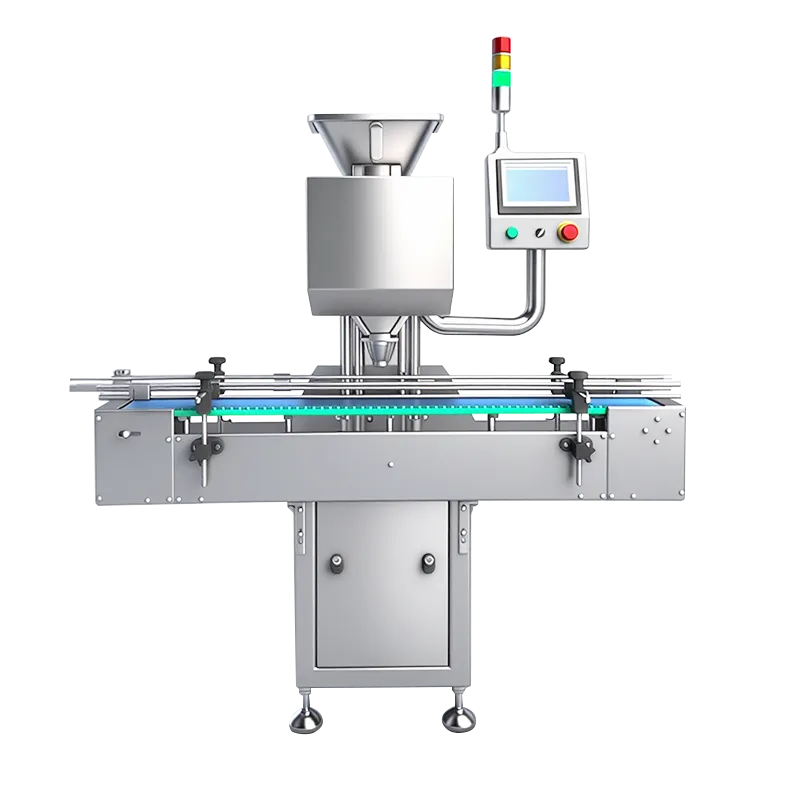
How Automatic Counting Machines Improve Efficiency in Bottling Operations
Principle: How Automatic Bottle Counting Enhances Production Throughput and Efficiency Optimization
Today's bottling operations rely on automated counting equipment to get rid of those pesky manual counting delays. These machines work hand in hand with filling and capping stations, able to track containers at rates over 1,200 per minute which is roughly 80% quicker than what any person could manage according to CDA-USA figures from 2024. The real value comes from having instant access to production numbers right when they happen. When something goes off track, plant managers can jump in fast and fix problems before they become bigger headaches. Beverage manufacturers report about a 23% cut down on waiting periods during product switches thanks to this tech, keeping their entire production line running smoothly most of the time without unnecessary stops and starts.
Phenomenon: Rising Demand for Precision in Automated Bottling Line Components and Integration
According to a recent 2023 packaging industry survey, around two thirds of manufacturers need their count accuracy to stay within just 0.1% variance if they want to get those important ISO certifications. Why? Because regulators are getting tougher these days. Both FDA and EU GMP rules now demand complete audit trails everywhere. Automated systems handle this easily while manual counting simply can't keep up with what's required. We're seeing this play out in pharma production especially. When companies start using robotic palletizers on their lines, demand for those fancy vision guided counting units jumps about 31% each year compared to previous periods.
Strategy: Improving Line Efficiency Through Automation and Reduction of Human Error
| Manual Counting (Legacy) | Automated Counting (Modern) |
|---|---|
| 5—10% count errors | 0.1% error rate |
| 85% accuracy | 99.9% accuracy |
In dairy bottling operations, automated counting reduces product giveaway by 40% through precise batch tracking. Machine learning algorithms further enhance performance by adapting to container deformations, minimizing false rejects—especially critical when handling flexible plastic bottles.
Integration with Packaging Lines and Compatibility Across Container Types
Seamless Integration with Existing Packaging Equipment for Smooth Workflow
Today's automatic counting machines hit around 97% uptime according to PMMI data from 2023 thanks to standard communication protocols such as OPC UA. These systems sync right up with conveyors, cappers, and labelers without any fuss. Most operators really care about compact designs these days, especially since many plants already have about two thirds of their floor space taken up by equipment. The inline models that can stack vertically cut down on conveyor rerouting needs by roughly 40% when compared to those bulky standalone options that take up so much room everywhere else.
Challenges and Solutions in Integration of Automation in Packaging Lines
Material handling inconsistencies pose the most common integration challenges:
- Bottle orientation issues: Resolved using dual-axis vibratory feeders, which reduce errors by 92% in PET lines
- Speed mismatches: Addressed with adaptive synchronization algorithms maintaining throughput within ±2% of target line speed
A 2023 study identified improper sensor calibration during equipment handshake phases as the cause of 23% of integration delays. To counter this, leading systems now include self-diagnostic modules that automatically adjust photoelectric sensors and reject gates within 15 minutes of startup.
Adapting to Diverse Container Types Without Sacrificing Count Accuracy
Vision-guided systems equipped with multi-spectral imaging (MSI) sustain 99.95% accuracy across more than 38 container types—from 10ml vials to 5L jerricans. Key technological adaptations include:
| Feature | Glass Containers | Flexible Pouches | Metric Improvement |
|---|---|---|---|
| Dynamic focal length | Required | Optional | +34% count speed |
| Anti-glare lighting | Critical | Moderate | -89% miscounts |
Advances in AI-powered gripper mechanisms now allow single machines to handle 83% of container transitions without tooling changes—a sevenfold improvement over 2020 models (Food Engineering 2024).
Ensuring Accuracy and Compliance with Automated Bottle Count Verification Systems
The Need for Automated Bottle Count Verification in Regulatory-Sensitive Industries
Pharmaceutical and food producers must meet strict FDA and ISO requirements, demanding 99.98% count accuracy (Ponemon 2023). Manual counting introduces risks such as overdosing, underfilling, and compliance violations, costing manufacturers an average of $740k annually in recalls and fines. Automated systems mitigate these risks with precision sensors and GMP-compliant reporting tools.
Minimizing Errors Through Real-Time Bottle Counting Systems
Advanced systems combine optical sensing with weight verification to cross-check counts at rates exceeding 300 bottles per minute. Vision systems with response times under 200ms detect discrepancies before sealing, reducing labeling errors by 99.4% compared to manual checks (2024 Packaging Automation Report).
Case Study: Implementation in a GMP-Compliant Pharmaceutical Packaging Line
A Tier 1 vaccine manufacturer reduced batch rejection rates from 12% to 0.3% after integrating AI-powered counting machines. The system audits fill levels across 20 production lines and generates automated audit trails for regulatory submissions, ensuring continuous compliance.
Trend: Adoption of AI-Powered Vision Systems for Count Accuracy
Leading manufacturers deploy machine learning algorithms that self-calibrate to varying container geometries, maintaining 99.95% accuracy even during rapid format changeovers.
Maximizing Throughput and Reducing Labor Costs with Automation
Bottleneck Challenges in Traditional Bottle Filling and Capping Processes
Manual counting creates significant bottlenecks, often slowing line speeds by 30—50%. Repetitive tasks lead to operator fatigue and errors, necessitating frequent stoppages for quality checks. Beverage manufacturers lose an estimated $1.3 million annually in productivity due to these inefficiencies (PEMAC 2023).
Maximizing Production Speed Through Automatic Counting Machines
By eliminating manual delays, automatic counting machines enable seamless operation with high-speed fillers running at 600+ bottles per minute. Food producers report 3—5x faster cycle times when replacing manual workflows with integrated counting systems.
Case Study: Throughput Gains in a Beverage Production Facility
A European juice bottler achieved dramatic improvements after automation:
| Metric | Before Automation | After Automation |
|---|---|---|
| Line Speed | 120 BPM | 395 BPM |
| Counting Errors | 1.2% | 0.03% |
| Labor Costs | $860k/year | $520k/year |
The $220k investment paid for itself within 14 months through gains in throughput and reductions in errors.
Reduction of Human Error and Labor Costs in Bottle Handling Processes
Automated count verification reduces staffing needs for manual checks by 65—80%, while achieving 99.98% accuracy. A 2023 implementation study showed a 30% reduction in labor costs within six months of deployment, with ongoing savings from lower training and turnover expenses.
Future Trends and Scalability in Automated Bottle Counting Technology
Trend: Advancements in Automation in Liquid Packaging and Scalability
The latest counting machines come equipped with internet connections and smart learning systems that adjust on the fly when things change during production. According to recent data from the Industry 4.0 Adoption Report 2024, around two thirds of manufacturing companies are looking for equipment that can predict when maintenance is needed, cutting those frustrating unexpected shutdowns down by almost half each year. These versatile machines work great across different industries too. The same platform can handle massive beverage production lines while switching over to smaller batches for pharmaceutical products just by swapping out sensors. We've seen new energy saving versions hit the market recently as well. They use about 22 percent less electricity but still maintain an impressive accuracy rate of nearly 99.98%, so there's no need to sacrifice quality for efficiency.
Quick Changeover Features That Support Production Throughput and Efficiency Optimization
The best systems out there can switch container formats in less than eight minutes thanks to those handy tool-free adjustments and preset configurations already built into them. Why does this matter? Well, companies have seen their product variety jump by around 34% since 2022 in both food processing and chemical manufacturing industries. That kind of flexibility is becoming essential these days. When it comes to scaling operations, modular designs really shine. These setups let facilities expand production capacity from just 200 bottles per minute all the way up to 2,000 without having to tear everything apart and start over. And don't forget about counting accuracy either. New hybrid systems combining optical sensors with RFID technology keep error rates below half a percent when tracking glass bottles, plastic PET containers, or aluminum cans, even when production lines speed up or slow down unexpectedly during shifts.
FAQ
What are the main benefits of using automatic counting machines in bottling operations?
The main benefits include enhanced production efficiency, reduced manual counting errors, improved accuracy, and seamless integration with existing packaging lines. These machines can track containers at rates over 1,200 per minute, offering quick access to production data and minimizing downtime.
How do automatic counting machines help in regulatory compliance?
Automatic counting machines support regulatory compliance by providing accurate audit trails and meeting strict FDA and ISO requirements. They help reduce risks of overdosing, underfilling, and compliance violations often associated with manual counting.
Can automated counting machines adapt to different container types?
Yes, automated counting machines, equipped with vision-guided systems and multi-spectral imaging, can maintain high accuracy across diverse container types, making them versatile and adaptable in various industries.
How does automation affect labor costs in bottling operations?
Automation significantly reduces labor costs by minimizing the need for manual checks and decreasing staffing requirements. Studies show a reduction in labor costs by 65-80% and ongoing savings due to lower training and turnover expenses.
What advancements are expected in automated bottle counting technology?
Future advancements are expected in AI-powered systems, quick changeover features, and energy-efficient technologies. These developments aim to improve flexibility, scalability, and maintenance predictions, enhancing overall efficiency in bottling operations.
Table of Contents
- How Automatic Counting Machines Improve Efficiency in Bottling Operations
- Integration with Packaging Lines and Compatibility Across Container Types
- Ensuring Accuracy and Compliance with Automated Bottle Count Verification Systems
- Maximizing Throughput and Reducing Labor Costs with Automation
- Future Trends and Scalability in Automated Bottle Counting Technology
-
FAQ
- What are the main benefits of using automatic counting machines in bottling operations?
- How do automatic counting machines help in regulatory compliance?
- Can automated counting machines adapt to different container types?
- How does automation affect labor costs in bottling operations?
- What advancements are expected in automated bottle counting technology?