 EN
EN

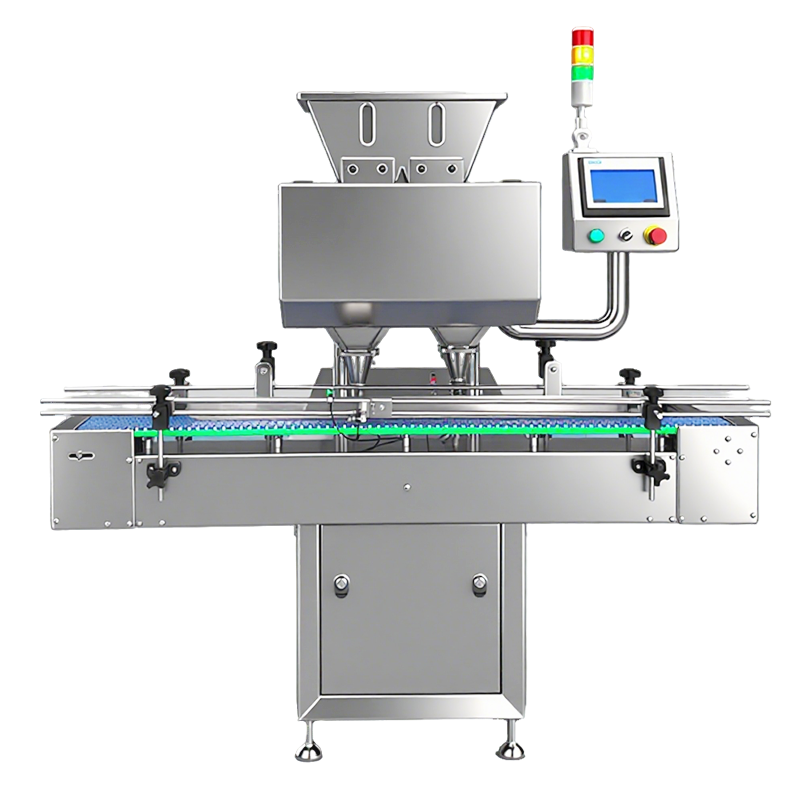
GMP Compliance: Regulatory Mandates and Qualification of Capsule Counting Machines
FDA and EMA Requirements for Automated Capsule Counting Equipment
Both the U.S. Food and Drug Administration (FDA) and European Medicines Agency (EMA) enforce strict Good Manufacturing Practice (GMP) requirements for all pharmaceutical production equipment, including automated capsule counting systems. A compliant machine must deliver consistent count accuracy to ensure every finished dosage meets labeled potency specifications—directly safeguarding patient safety and regulatory standing. Key mandated features include real-time count monitoring, automated rejection of non-conforming batches, and permanent, unalterable audit trails for every production run. Equipment must also be designed for effective cleaning, cross-contamination prevention, and full traceability in alignment with global pharmaceutical standards. Non-compliance carries serious consequences: regulatory fines averaging over $1.2 million (FDA, 2023), unplanned shutdowns, or product recalls—making GMP adherence a foundational operational priority.
Design Qualification (DQ), Installation Qualification (IQ), and Operational Qualification (OQ) for Capsule Counting Machines
All GMP facilities must complete three sequential qualification steps before deploying new capsule counting equipment in routine production. Design Qualification (DQ) confirms the equipment’s design satisfies user requirements and regulatory expectations prior to purchase. Installation Qualification (IQ) verifies correct delivery, installation, calibration, and environmental integration against approved specifications. Operational Qualification (OQ) validates consistent performance across all defined operating parameters—including target count accuracy at maximum throughput speeds. Rigorous, contemporaneous documentation of each step is mandatory for regulatory audits and serves as objective evidence that the system is fit for its intended use. Most manufacturers align this process with ICH Q9 and Q8 guidelines to ensure international validation consistency and regulatory readiness.
Risk Reduction: How Capsule Counting Machines Prevent Errors and Contamination
Eliminating Manual Counting Errors and Operator-Induced Cross-Contamination
Manual capsule counting introduces persistent human error—studies show 2–5 miscounts per 1,000 capsules due to fatigue, distraction, and repetitive motion. In contrast, modern automated systems achieve up to 99.98% counting accuracy across full production shifts, significantly reducing dosing inaccuracies that threaten patient safety and compliance. Equally critical, automation minimizes direct operator contact with bulk product, substantially lowering the risk of batch-to-batch cross-contamination. Transitioning from manual to automated counting reduces human error by approximately 74%, while integrated automatic rejection mechanisms remove defective or contaminated capsules before packaging—adding a proactive, data-supported layer of quality control.
Data-Driven Reliability: FDA 483 Observations Linking Counting Inaccuracies to GMP Violations (2020–2023)
FDA 483 inspection observations from 2020–2023 identify counting inaccuracies as one of the most frequent root causes of GMP violations in pharmaceutical packaging. The majority stem from unmonitored manual processes lacking verifiable, time-stamped records. Automated counting systems resolve this gap by generating immutable, 21 CFR Part 11–compliant electronic batch records—providing regulators with clear, accessible audit trails. When paired with pre-count visual inspection, these systems reduce downstream quality failures by over 90% (industry analysis, 2024), directly mitigating recall risk, regulatory penalties, and production disruptions.
Precision Engineering: Overcoming Physical Challenges with Advanced Capsule Counting Machines
Handling Variability in Capsule Size, Shape, Coating, and Dust in High-Speed Environments
Natural variability in capsule characteristics—size, shape, coating thickness, and residual manufacturing dust—poses a significant challenge to counting accuracy in high-speed environments. Legacy mechanical counters often fail under these conditions, triggering miscounts and unplanned downtime. Modern capsule counting machines overcome this through adaptive, precision-engineered sensor technology—optical and infrared systems calibrated to distinguish individual capsules from debris without requiring manual part changes between batches. This flexibility maintains >99.9% accuracy even at speeds exceeding 300 capsules per minute, reduces changeover time, and supports seamless, GMP-compliant production across diverse product lines.
Hygiene, Maintenance, and Audit Readiness for Capsule Counting Machines
SOP-Guided Cleaning Protocols and Preventive Maintenance for GMP Consistency
In GMP environments, consistent hygiene and maintenance of capsule counting equipment are essential—not just for accuracy, but for sustained audit readiness. A robust, SOP-aligned program defines and documents all cleaning and preventive maintenance activities: daily surface sanitation, weekly sensor verification, and monthly full-component inspections. Industry best practice recommends professional comprehensive service every six months to detect latent wear and preserve calibration integrity. Well-executed protocols prevent operator-induced contamination, minimize unplanned downtime, and generate structured, timestamped records that demonstrate compliance to FDA and EMA inspectors—reducing the likelihood of 483 observations and supporting uninterrupted commercial production.
FAQs
What is GMP compliance, and why is it important for capsule counting machines?
GMP compliance refers to adherence to Good Manufacturing Practice standards, which ensure equipment consistently delivers quality results, safeguards patient safety, and aligns with regulatory requirements. Capsule counting machines play a critical role in maintaining accurate dosage and preventing cross-contamination.
What qualifications must be performed before deploying capsule counting machines?
Three sequential qualifications are required: Design Qualification (DQ), Installation Qualification (IQ), and Operational Qualification (OQ). These steps ensure proper design, correct installation, and consistent operational performance.
How do capsule counting machines reduce human errors and improve accuracy?
Automated systems achieve over 99% counting accuracy, eliminating manual miscounts caused by fatigue, distraction, or repetitive movements. They also integrate automatic rejection mechanisms to prevent defective capsules from entering production.
How do modern capsule counting machines handle variability in capsules?
By using adaptive optical and infrared sensor technology, modern machines maintain high accuracy and adapt to different capsule sizes, shapes, and coatings without requiring manual adjustments, even in high-speed environments.
What maintenance protocols are recommended for capsule counting machines?
GMP facilities should follow SOP-guided cleaning protocols, perform daily sanitation, weekly sensor checks, and monthly inspections. Professional servicing every six months is recommended to maintain calibration integrity and ensure audit readiness.
Table of Contents
- GMP Compliance: Regulatory Mandates and Qualification of Capsule Counting Machines
- Risk Reduction: How Capsule Counting Machines Prevent Errors and Contamination
- Precision Engineering: Overcoming Physical Challenges with Advanced Capsule Counting Machines
- Hygiene, Maintenance, and Audit Readiness for Capsule Counting Machines