 EN
EN

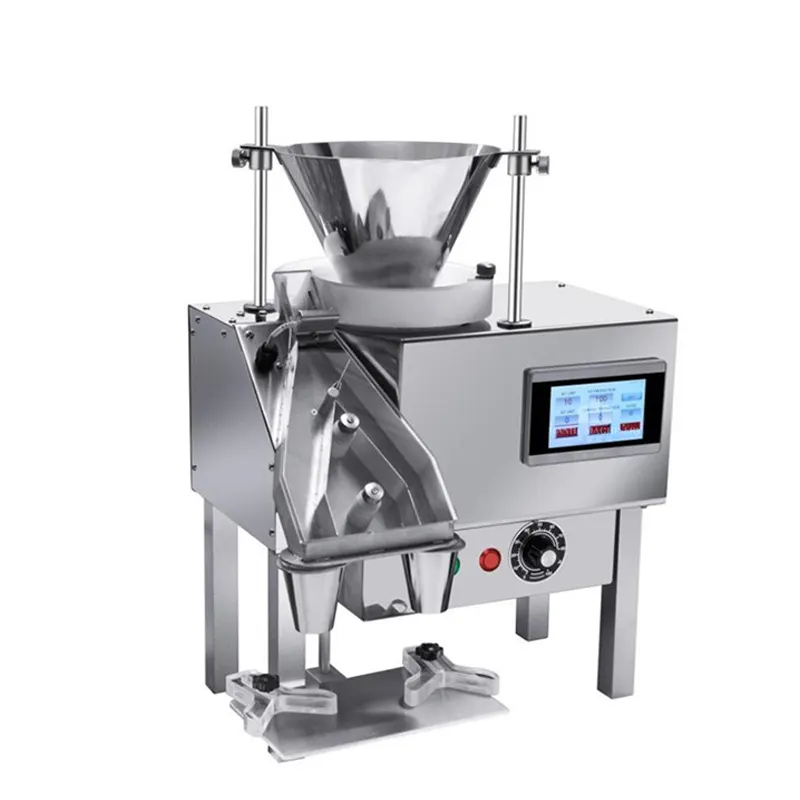
Improving Accuracy and Reducing Medication Errors with Capsule Counting Machines

How Automated Capsule Counting Minimizes Human Error in Pharmaceutical Packaging
Capsule counting machines take away all that tiredness and distraction that comes with counting capsules by hand, which cuts down on serious counting mistakes. These devices come with fancy sensors that check how many capsules there are with amazing accuracy, so things like counting something twice or missing a capsule just don't happen anymore. A recent 2023 look at drug safety showed that when pharmacies switched to these automatic systems, they made way fewer mistakes about how much medicine was being given out - around 91% fewer actually. Getting this right matters because prescriptions need to be followed exactly. Whether it's for tiny research studies where every capsule counts or big production runs with over 100 thousand units, accurate counting keeps everything running smoothly without risking patient safety.
Comparative Analysis: Manual vs. Automated Counting Error Rates
When humans count capsules by hand, they typically make about 2 to 5 mistakes for every thousand counted because people get distracted easily and tire from doing the same thing over and over again. Automated capsule counters tell a different story though. These machines hit around 99.98 percent accuracy no matter how many capsules need to be processed in a day. Take a medium sized plant that packages half a million capsules each day as an example. With automation, such facilities avoid roughly a thousand dosing errors every single month according to industry reports. What makes these modern systems so reliable? They use multiple checks at once including both optical scanning technology and weight measurement devices. This creates layers of protection against errors that simply aren't possible with traditional manual counting methods.
Data Insight: Achieving 99.98% Accuracy With Modern Capsule Counting Systems
Most pharma companies now rely on automated counting systems that meet the latest ISO 13485:2023 standards to get their counts right almost every time. These systems come equipped with smart algorithms that catch mistakes as they happen, so operators can fix problems before anything moves further along the production line. According to some independent research, facilities using this technology typically save between $18 and $22 per thousand units produced by cutting down on wasted materials from counting errors. Plus, all those corrections get automatically recorded, making audits much smoother when regulators come knocking. For anyone dealing with FDA regulations like 21 CFR Part 11, having accurate records and traceable processes isn't just nice to have anymore it's becoming a necessity across the industry.
Boosting Operational Efficiency and Workflow Optimization
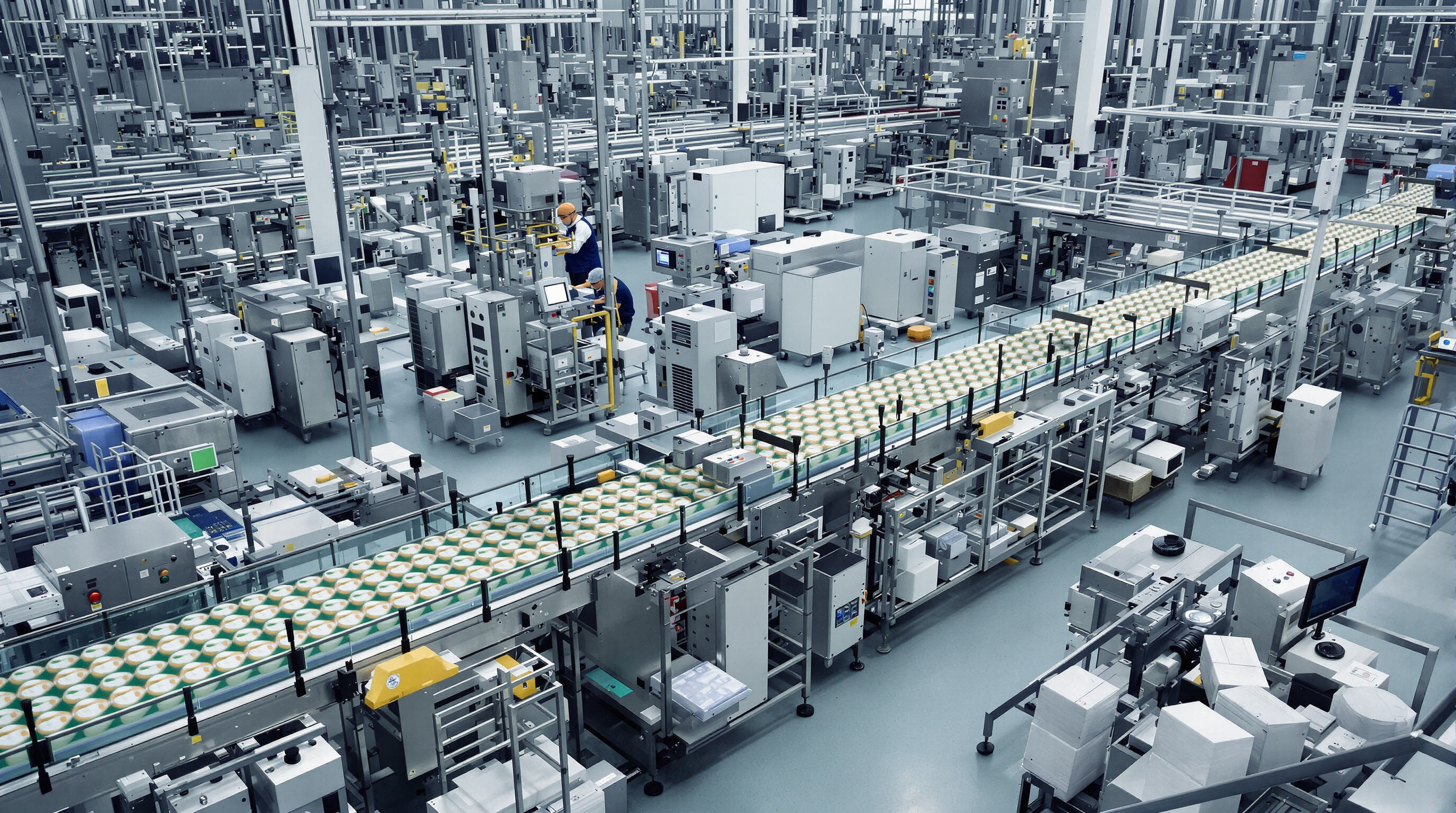
Streamlining production workflows with automated capsule counting technology
Capsule counting automation cuts out all those tedious manual sorting and checking tasks, which can speed up the whole packaging process anywhere from 30 to 45 percent when compared to old school methods. These machines keep going at the same pace day in and day out, no matter how tired operators might get, thanks to their built-in sensors that count each capsule precisely for blister packs and vials alike. Standardized counting procedures mean there's far less variation from one shift to another something that really matters in facilities certified under Good Manufacturing Practices standards where consistency is everything.
Reducing bottlenecks in high-volume packaging lines
Production lines handling large volumes typically run between 12,000 to 20,000 capsules every hour, but these numbers drop significantly whenever someone has to manually count capsules mid-process. The solution? Capsule counting machines that actually work well with the existing filling and sealing systems on the factory floor. These devices cut down on those frustrating wait times between different stages of production. And let's not forget about buffer hoppers either they keep things flowing smoothly even when there's maintenance happening further along the line. Real world data from plants across North America shows around a 22% boost in overall output since implementing this kind of coordinated system back in early 2023.
Real-time output tracking and integration with existing pharmaceutical production lines
IoT-enabled performance dashboards provide granular output tracking across multiple packaging lines, allowing facilities to identify inefficiencies, adjust batch schedules dynamically, and maintain comprehensive documentation. When integrated with ERP systems, automated counting contributes to 99.4% OEE (Overall Equipment Effectiveness), significantly outperforming manual workflows, which average 82%.
Delivering Long-Term Cost Savings and Strong ROI
Reducing labor costs and minimizing rework through automation
When facilities implement automated capsule counting systems, they see a dramatic drop in their dependence on human workers for this task. Payroll costs typically go down around 60% per year, and production output jumps anywhere between 25% to nearly double what it was before. The advanced vision technology built into these machines cuts down on the need to recount capsules multiple times throughout the day. What's more important is that these systems help avoid those costly regulatory penalties when medications get packaged incorrectly. Pharmacies and manufacturing plants save money not just on wages but also on training programs for employees who no longer need to master capsule counting techniques. Staff members freed up from this repetitive work can instead focus on other areas where their skills make a bigger difference, which means ongoing cost reductions across the entire operation over time.
Balancing high initial investment with long-term financial benefits
Although automated capsule counters require a significant upfront investment, most pharmaceutical operations achieve full ROI within 24–36 months. Key financial advantages include:
- Material waste reduction: Precision counting prevents overfilling, yielding 15–20% savings in raw materials
- Rework elimination: With 99.98% accuracy, costly batch rejections are minimized
-
Scalability benefits: Modular designs support production growth without requiring new equipment
Industry analyses show leading operations improve ROI by over 20% through sustained efficiency gains, positioning these systems as strategic financial assets.
Leveraging Advanced Technology for Precision and Scalability
Pharmaceutical companies today get really accurate results thanks to all sorts of tech improvements in their capsule counting systems. The machines have these super detailed sensors that pick up even tiny differences between capsules. At the same time, smart software checks the numbers again and again, automatically tossing out anything that looks broken or doesn't fit properly as it goes along. This setup keeps things running at around 99.98 percent accuracy most of the time, which means fewer mistakes made by people working on the line and definitely cuts down on those expensive product recalls that nobody wants to deal with.
Innovations in sensor, weight-based, and image recognition systems
Modern quality control systems rely on three main checks working together weight measuring devices confirm readings against data captured by high resolution cameras and spectral analysis tools, forming a robust system that minimizes errors. Old school mechanical counting methods had issues with accuracy, often showing differences of around 5%, but current automated solutions comply with strict ICH-Q7 regulations. For products that absorb moisture from the air, weight measurement stands out as particularly useful since it stays consistent even when conditions change. This matters a lot in pharmaceutical manufacturing where small variations can affect product quality and safety.
AI-driven capsule counting and IoT integration for predictive maintenance
Machine learning algorithms look at past performance data and tweak detection thresholds on the fly, spotting issues like capsule swelling or material breakdown that might otherwise go unnoticed. Systems powered by artificial intelligence catch equipment problems roughly 40 percent quicker compared to older approaches. When connected through APIs to cloud services, these IoT-based models can send maintenance records back and forth, allowing for parts replacement before failures happen. Factories report around 87% less unexpected stoppage time when running this kind of setup. What used to be just basic counting devices are now becoming essential elements in modern production facilities where reliability matters most.
Scalable and modular designs for labs and large-scale manufacturers
A modular setup means one platform can tackle all sorts of different jobs. Benchtop versions work great for small scale research with about 500 capsules at a time, but when things get serious, the industrial models kick in and crank out as many as 200 thousand units every hour. What makes this system stand out is how it handles changes in production needs. Instead of needing someone to tweak settings manually, the machine just adapts on its own to whatever the blister line demands. This comes in really handy when there's a sudden spike in orders during busy seasons or when moving products from testing phases into full blown manufacturing runs.
Future-Proofing Pharmaceutical Production with Smart Automation
Trend Analysis: Rising Adoption of Capsule Counting Machines in Emerging Markets
Emerging markets are adopting capsule counting machines 42% faster than developed economies, driven by WHO prequalification requirements and expanding generic drug production. Industry analysts note this trend aligns with $2.3 billion in government-led pharmaceutical modernization initiatives across Southeast Asia and Africa (Contract Pharma 2025).
Strategies for Selecting the Right Machine Based on Output and Capsule Type
Choose systems with modular designs capable of scaling from 5,000 to 100,000 capsules per hour while maintaining at least 99.97% counting accuracy. For hygroscopic or electrostatic capsules, prioritize models with climate-controlled feeding systems and ionized vibration trays to prevent miscounts and ensure consistent flow.
The Evolving Role of Automation in Ensuring Compliance and Traceability
Modern capsule counters automatically generate FDA-compliant electronic batch records, reducing audit preparation time by 65% compared to manual methods. A 2024 Technology Networks study confirms these systems address 78% of common documentation-related Form 483 observations through integrated blockchain tracking, enhancing transparency and regulatory readiness.
FAQ Section
What are the main benefits of using automated capsule counting machines?
Automated capsule counting machines significantly improve accuracy, reduce human error in pharmaceutical packaging, enhance operational efficiency, minimize regulatory penalties, and deliver strong ROI.
How does automation reduce labor costs in pharmaceutical manufacturing?
Automation reduces labor costs by decreasing the dependence on human workers for counting tasks, cutting payroll expenses, and freeing staff to focus on other high-value activities.
Are automated capsule counting machines suitable for small-scale operations?
Yes, automated capsule counting machines are suitable for both small-scale research labs and large-scale manufacturers due to their modular and scalable designs.
Table of Contents
- Improving Accuracy and Reducing Medication Errors with Capsule Counting Machines
- Boosting Operational Efficiency and Workflow Optimization
- Delivering Long-Term Cost Savings and Strong ROI
- Leveraging Advanced Technology for Precision and Scalability
- Future-Proofing Pharmaceutical Production with Smart Automation
- FAQ Section