 EN
EN

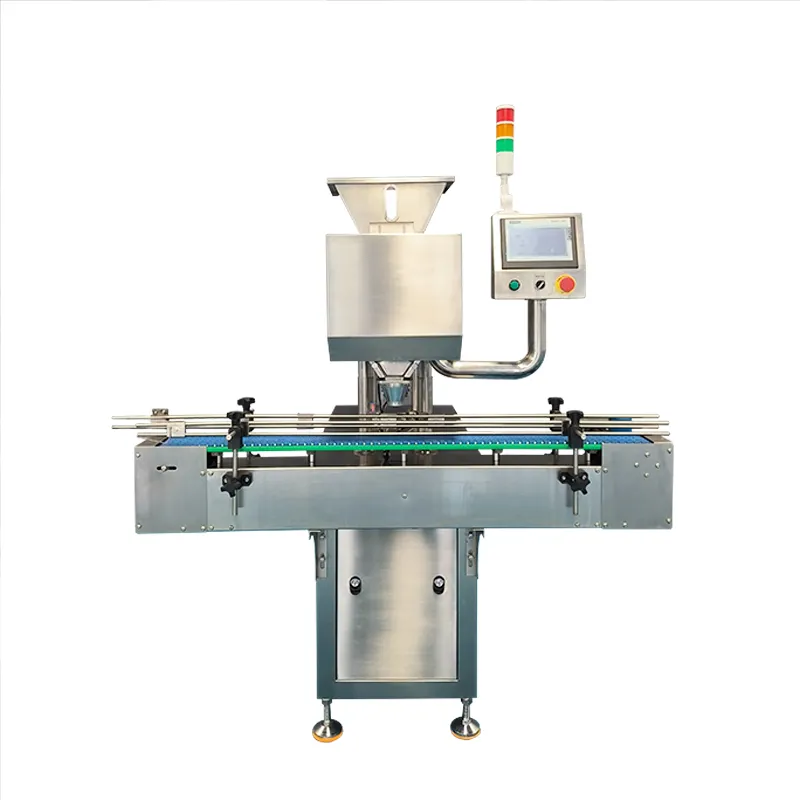
Understanding Capsule Counting Machine Technologies and Core Functionality

Optical vs. weight-based counting: How technology impacts Capsule Counting Machine accuracy
These days, most capsule counting machines work with either optical sensors or weight measurement systems. The optical ones typically have those fancy high res cameras paired up with some pretty advanced image recognition software. They're great at counting when all the capsules look basically the same shape and color. Then there's the weight method which uses super sensitive scales inside to figure out how many capsules are passing through based on their total mass. Works really well for standard sized pills but can get confused when dealing with oddly shaped or mixed batches. When picking between them, it really comes down to what kind of product we're dealing with. Photoelectric counters tend to be better for colorful tablets that might otherwise blend together visually. Gravimetric systems hit around plus or minus half a percent accuracy for regular looking batches though. Either way, these machines beat manual counting hands down and help keep things compliant with those strict pharmacy regulations about dosage accuracy.
Automation capabilities of tablet and capsule counting machines in pharmaceutical packaging
Capsule counting machines have come a long way from just counting pills. The really advanced ones work seamlessly with conveyor belts, sending out counted capsules straight to bottling lines, capping stations, and label applicators all while needing very little manual oversight. These machines typically come with adjustable feed trays that can accommodate capsule sizes ranging from size 00 down to size 5. They also include clever rejection systems like bursts of compressed air that kick out any damaged or oddly shaped capsules before they get packaged. All this automation not only speeds things up but also cuts down on contamination problems. For pharmaceutical companies operating under current Good Manufacturing Practices (cGMP) standards, these machines are practically indispensable. Plus, their design naturally fits within the requirements set forth by 21 CFR Part 211 regulations regarding drug manufacturing controls.
Integrating pill sorting and counting machines into production workflows
Getting things right means putting the system in just the right spot between filling and packaging operations so products can move smoothly through gravity chutes or along conveyor belts. Some setups mix counting and sorting functions together, using those fancy multi-channel analyzers to tell different capsule types apart while keeping track of numbers accurately. When everything works well together like this, most factories see their production lines running about 15 to maybe even 20 percent better overall. For machines to talk to each other properly throughout the whole process, it makes sense to go with equipment that speaks standard languages like MODBUS. This helps everything work together nicely with those computer controlled packaging systems commonly used in pharmaceutical manufacturing these days.
Key Performance Features to Evaluate in a Capsule Counting Machine
Speed, Precision, and Throughput: Measuring Capsule Counting Machine Performance
High-performance capsule counting machines achieve ¥99.5% counting accuracy at speeds exceeding 500,000 capsules/hour, meeting the demands of large-scale pharmaceutical production (Pharmaceutical Technology Institute, 2023). Combining high-precision optical sensors with weight-based verification reduces errors to <0.1%, ensuring dosage consistency and batch reliability.
User Interface and Seamless Integration With Existing Pharmaceutical Systems
Intuitive touchscreen interfaces and API-enabled connectivity enable real-time data exchange with ERP and MES platforms, reducing manual input and improving traceability. Machines supporting Industry 4.0 protocols like OPC-UA integrate smoothly with blister packaging and labeling systems, streamlining end-to-end operations.
Scalability Across Capsule Sizes and Adaptability to Production Demands
Top-tier systems accommodate capsules ranging from 3mm to 00-size without mechanical reconfiguration. Quick-change tooling kits allow format shifts in under 15 minutes, enabling efficient transitions between pediatric and adult-dose batches and supporting flexible manufacturing needs.
Minimizing Downtime: Maintenance Requirements and Reliability Considerations
Modular designs reduce repair times by 40% compared to traditional models (Maintenance Quarterly, 2022). Built-in self-diagnostic sensors proactively detect wear in critical components such as feeder bowls and optical lenses, allowing timely replacements during scheduled maintenance and minimizing unplanned downtime.
Compliance and Traceability: Meeting Pharmaceutical Industry Standards
Ensuring FDA and GMP compliance in Capsule Counting Machine selection
When choosing equipment for counting pharmaceuticals, following FDA rules and Good Manufacturing Practices is absolutely essential. The machines need proper cleaning protocols that have been validated, made from materials suitable for pharmaceutical use, plus they should track activities according to 21 CFR Part 11 standards. Systems that don't meet these requirements can lead to costly problems down the road. Product recalls alone typically cost around $740,000 each according to research from Ponemon in 2023, not to mention potential fines from regulators. Look for equipment that has been certified by third parties and carries GMP approval. These systems usually include features designed to stop cross contamination between different products, such as sealed counting paths and specific material choices for construction. Electronic signature capabilities are also important because they help maintain accurate records and prepare facilities for audits when needed.
Enhancing batch control and traceability through automated counting technology
Capsule counting machines take batch control to another level since they automatically record lot numbers, when each count happened, and who did the counting for every single unit processed. The built-in serialization feature helps meet those tricky DSCSA rules too, so companies can track everything all the way from ingredients straight through to final product packaging. According to research published last year by Pharma Trax, facilities using these systems see inventory accuracy jump to nearly perfect at 99.9%, while the time needed to reconcile records drops around 80%. Storing all this information in the cloud makes it possible to run instant recall drills whenever needed. Plus, having detailed logs available means inspectors from the FDA have less to worry about during audits. And let's not forget how this tech also acts as a strong defense against fake drugs entering the supply chain.
Market Trends Driving Adoption of Capsule Counting Machines
Error reduction and efficiency gains fueling demand in pharmacy automation
AI-driven capsule counting systems reduce counting errors by 99.5% compared to manual methods, directly lowering operational risks and costs. Facilities using automation report 40% fewer recalls linked to dosage inaccuracies (Ponemon 2023). Real-time anomaly detection identifies damaged capsules early, preserving batch integrity and enhancing quality assurance.
Technological advancements driven by evolving pharmaceutical industry applications
When it comes to capsule counting machines, the combination of internet connectivity and smart algorithms lets them adjust their speed automatically depending on how materials are flowing through the system and what past performance looks like. This kind of smarts really helps with complicated manufacturing situations, especially when making custom medicines that need to switch between different capsule sizes constantly throughout production runs. Most modern facilities now connect these counters directly into their digital quality control platforms, which means all the paperwork for inspections gets generated automatically instead of relying on someone manually tracking everything down later.
Growth forecast and rising adoption rates in the pharmacy automation market
Market forecasts suggest the capsule counting machine sector will expand at around 8.2 percent annually until 2029. This growth comes mainly from upgraded equipment meeting current good manufacturing practice standards across North America, plus increased drug production activity throughout the Asia Pacific region. According to industry reports, about two thirds of newly built facilities for oral solid medications are already incorporating automated counting systems right from day one. This approach saves money compared to adding these machines later on and helps prevent those frustrating production delays that often happen when things aren't properly set up from start.
Cost-Benefit Analysis and ROI of Capsule Counting Machine Investment
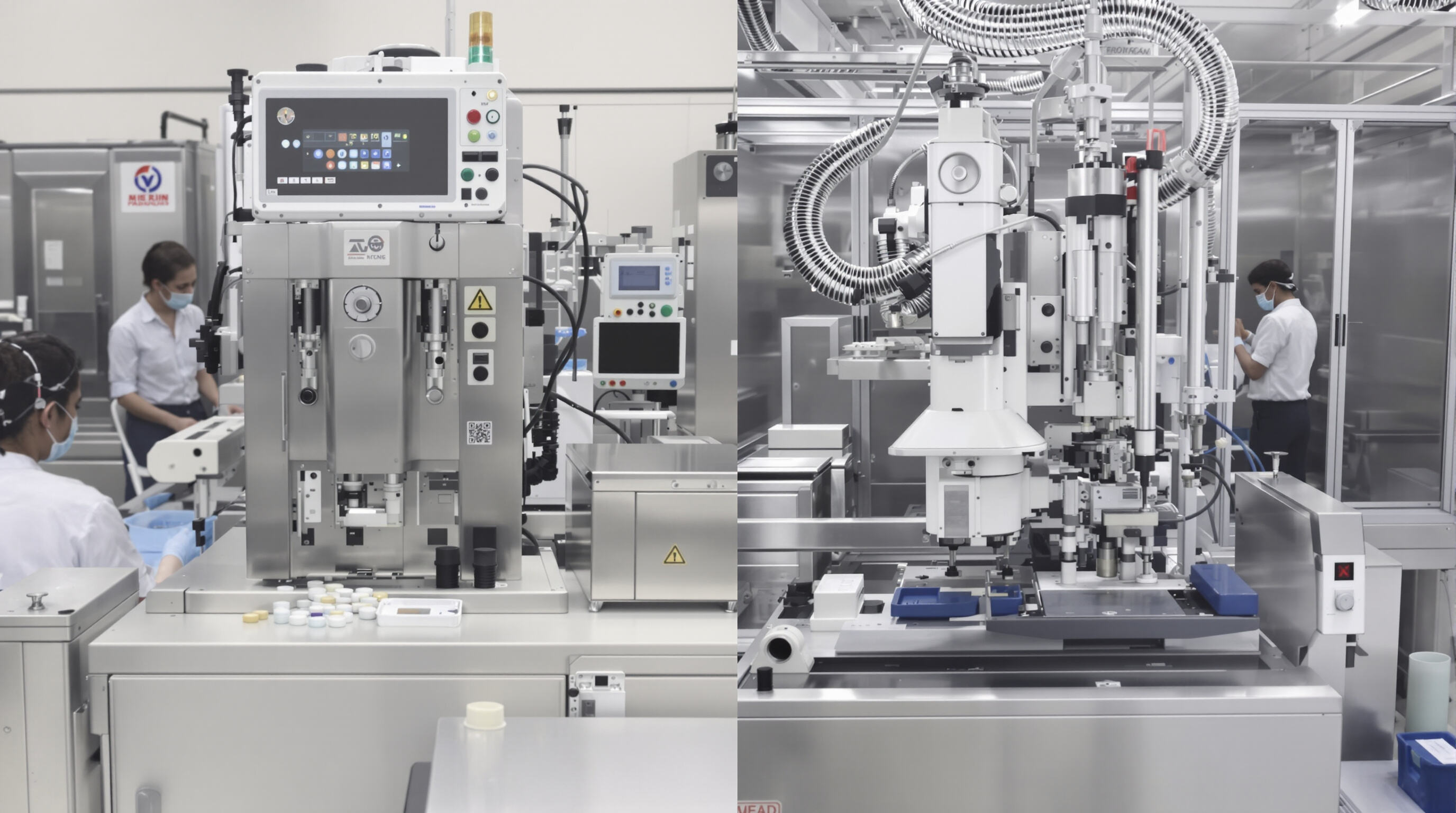
Balancing Initial Costs With Long-Term Savings in Labor and Error Reduction
For pharmaceutical companies, the decision comes down to balancing initial investment costs for equipment ranging from around $50k all the way up to over $200k versus what they'll save over time. Let's look at staffing first. Manual counting operations need anywhere between three to five people working each shift. But when facilities switch to automation, they can get away with just half an operator or maybe one person total. That means labor expenses drop dramatically, somewhere between 60 to 80 percent, and most businesses see these savings kick in within two to three years after installation. What really makes automation shine is accuracy. These machines hit nearly 99.9 percent precision rate, which beats out manual methods that typically hover around 95 to 97 percent. Fewer errors translate into money saved right away, and those savings keep growing as time goes on.
| Factor | Manual Counting | Automated Counting | ROI Impact Period |
|---|---|---|---|
| Labor Cost/Shift | $240–$400 | $40–$80 | 1–3 years |
| Counting Errors | 3–5% | <0.1% | Immediate |
| Training Time | 40–60 hours | 8–12 hours | Ongoing |
| Throughput Capacity | 1,000–3,000/hr | 10,000–30,000/hr | Immediate |
Real-World ROI Examples From Pharmaceutical Packaging Automation Implementations
According to research published in 2023 looking at around 50 drug manufacturing companies, most saw their investment pay off within just under two years on average. About two thirds actually reached complete return on investment simply from fixing those pesky counting mistakes that cost so much money. Take one generic medication maker for example they managed to slash product recall incidents related to counting issues by almost 90 percent, and somehow managed to triple what they produced each day once they implemented automated visual inspection systems. Looking ahead, experts are talking about potential annual returns increasing somewhere between 11% and 14% over the next five years for facilities keeping up with regulations. This seems likely because regulators keep making tracking requirements stricter while wages continue climbing across the sector.
FAQs
What are the advantages of optical counting over weight-based counting?
Optical counting machines offer high accuracy and work well with capsules of uniform shape and color. They use cameras and image recognition software, ideal for visually distinct tablets. Weight-based systems measure total mass but can struggle with oddly shaped or mixed batches.
How do capsule counting machines integrate into existing pharmaceutical systems?
Capsule counting machines can integrate via APIs and support Industry 4.0 protocols, allowing real-time data exchange with ERP and MES platforms, thus enhancing traceability and reducing manual input.
What compliance standards do capsule counting machines need to meet?
They must comply with FDA rules and Good Manufacturing Practices, have validated cleaning protocols, be made from pharmaceutical-grade materials, and track activities per 21 CFR Part 11 standards.
Why are capsule counting machines essential in pharmaceutical packaging?
These machines enhance efficiency and reduce contamination risks. They work seamlessly with packaging lines under cGMP standards, fitting naturally within 21 CFR Part 211 regulations for drug manufacturing controls.
Table of Contents
- Understanding Capsule Counting Machine Technologies and Core Functionality
-
Key Performance Features to Evaluate in a Capsule Counting Machine
- Speed, Precision, and Throughput: Measuring Capsule Counting Machine Performance
- User Interface and Seamless Integration With Existing Pharmaceutical Systems
- Scalability Across Capsule Sizes and Adaptability to Production Demands
- Minimizing Downtime: Maintenance Requirements and Reliability Considerations
- Compliance and Traceability: Meeting Pharmaceutical Industry Standards
- Market Trends Driving Adoption of Capsule Counting Machines
- Cost-Benefit Analysis and ROI of Capsule Counting Machine Investment
- FAQs